
Updated July 16, 2026

Homeowners Insurance in Austin
For homeowners insurance in Austin, the real question is not just whether you have a policy, but whether the limits and deductibles fit a city where flood-prone pockets, dense infill construction, and fast-rising rebuilding costs can change a claim fast. Austin has a median home value of $337,000 and a cost of living index of 122, which tells you that local construction and labor rates run well above the national baseline. About 24% of the area sits in a flood zone, and a policy that looks fine on paper may still leave gaps if the dwelling limit is too low or the deductible is too aggressive. That matters in neighborhoods near creeks, drainage corridors, and low-lying streets, where storm damage can overlap with temporary displacement and repairs. When comparing policies, the key areas to weigh are dwelling coverage, personal property, liability, and additional living expenses after a covered loss. A useful quote reflects your home's rebuild cost, roof condition, and location-specific exposure rather than a generic city average.
Texas has a very high climate risk rating. Top hazards: Hurricane (Very High), Tornado (Very High), Hailstorm (Very High), Flooding (Very High). The state's expected annual loss from natural hazards is $12.4B, which influences homeowners insurance premiums and may affect coverage availability in high-risk areas.
What Homeowners Insurance Covers
In Texas, the most important coverage review is often not the broad label on the policy, but the loss triggers and settlement details that affect common claim scenarios. Start with the dwelling and attached structures, then read how the policy handles roof damage, interior water damage, ordinance or law costs after a partial loss, and temporary living expenses if the home is not fit to occupy during repairs. Those are the areas where a quote can look adequate at first glance and still leave you carrying more of the bill than expected.
For many Texas households, wind-driven rain, hail-related roof damage, burst pipes during a freeze, and liability from guests or pets are the practical exposures to test against the form. That means asking whether the roof is settled at replacement cost or actual cash value, whether cosmetic roof damage language appears anywhere, and whether water backup or service line coverage is available by endorsement if those options matter at your address. If your home has detached structures, a pool, a workshop, or higher value jewelry, firearms, instruments, or collectibles, review those categories separately instead of assuming the base policy limit is enough.
Flood is a separate conversation, not a line item to gloss over. A standard homeowners policy may not respond to flood damage, so Texas buyers should decide early whether they need separate flood coverage based on the property's location, drainage, prior water history, and lender expectations. You should also check whether your liability limit still makes sense if you host often, have a trampoline or pool, or want an umbrella policy quoted alongside the home coverage.
Coverage Included

Dwelling
Repairs or rebuilds your home itself, the walls, roof, floors, built-in appliances, and attached structures like a garage, after a covered loss. Set this limit to the full cost of rebuilding, not market value.
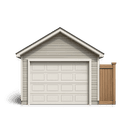
Other Structures
Detached structures on your property, such as a fence, shed, detached garage, or gazebo. Usually set at about 10 percent of your dwelling limit [2].

Personal Property
Your belongings, furniture, clothing, electronics, and appliances, generally written at 50 to 70 percent of your dwelling limit [2]. High-value items like jewelry and art carry special limits.

Additional Living Expenses
Also called loss of use. Pays your added living costs, hotel stays, meals, and a temporary rental, while a covered loss makes your home uninhabitable. Usually set at about 20 percent of your dwelling limit.

Liability
Covers you if someone is injured on your property, or you damage someone else's property, and you are found responsible. The standard $100,000 limit [2] is often raised to $300,000 or $500,000.

Medical Payments
Pays small medical bills, commonly $1,000 to $5,000, if a guest is hurt at your home regardless of fault, without a formal liability claim.
Homeowners Insurance Cost in Austin
Average Cost in Texas
$170 - $460
per month
In Texas, homeowners insurance premiums typically run $170 - $460 per month, which tends to run 75% above the national range of $110 - $250 per month.
- Home replacement cost, age, and construction type
- Roof age, material, and condition
- ZIP code and local weather risk (wind, hail, wildfire, hurricane)
- Coverage limits and endorsements
- All-peril and percentage wind/hail deductibles
- Claims history and insurance score where allowed
Typical range for many standard homeowners profiles; lower-risk homes fall below it and coastal, wildfire, or older-roof homes can run well above. Final pricing depends on property details, location, underwriting, and selected coverage.
Prices shown are general estimates, not guaranteed rates or quotes. Your actual premium will depend on the insurer, coverage selected, personal details, location, claims history, and other underwriting factors. Learn about our pricing methodology.
Homeowners pricing in Texas moves most on the characteristics that change expected claim severity. Carriers usually look closely at roof age and material, prior claims, the home's construction type, square footage, protection class, distance to the coast, and whether the property has updated wiring, plumbing, and heating or cooling systems. Deductible choices matter too, especially if the quote uses a separate wind or hail deductible that could leave you paying much more out-of-pocket after a storm than you expected.
It is price against settlement terms, exclusions, and how much risk you retain before the policy can help pay, because a lower premium can come from a higher deductible, actual cash value treatment on parts of the structure, tighter water damage language, or reduced optional coverages. A higher premium may reflect broader roof settlement, stronger dwelling limits, added endorsements, or a home with older systems or higher weather exposure. If you are comparing quotes, line up the same dwelling amount, the same deductible structure, and the same endorsements first. Then ask why one quote differs, because that step usually tells you more than the monthly number alone and helps you avoid buying a policy that is cheaper only because it shifts more of the loss back to you.
What Makes Austin Different
The biggest difference in Austin is the combination of flood exposure and a higher-cost rebuilding environment. With roughly a quarter of properties in flood-prone areas, it pays to ask whether your policy addresses water-related damage or leaves you exposed. Meanwhile, the city's 122 cost of living index and $337,000 median home value can push dwelling coverage needs above what a simple estimate suggests. That makes the standard buying mistake in Austin underinsuring the structure or ignoring how quickly repair costs can rise after a storm. If the dwelling limit is off, or if personal property and additional living expenses are too low, a covered loss can become a much larger financial event than expected.
Our Recommendation for Austin
Start with dwelling coverage based on rebuild cost, not just market value, because Austin's construction and labor costs can make those numbers diverge. Then check whether your home sits in or near a flood-prone area, since standard homeowners policies do not treat every water event the same way and the city's flood exposure is meaningful. Take stock of what you actually own, from electronics to furniture, and pair that with liability coverage that reflects how often guests visit your property. If your home has detached structures, confirm other structures coverage is enough for fences, sheds, or garages. Finally, compare additional living expenses coverage carefully, because a repair delay after wind or home damage can create real temporary housing costs. The right policy is the one that matches your home's actual rebuild cost and your neighborhood's specific risks, not the one with the cheapest premium.
Get Homeowners Insurance in Austin
Enter your ZIP code to compare homeowners insurance rates from carriers in Austin, TX.
Home insurance starting at $50/mo
FAQ
Frequently Asked Questions
With about 24% of the area in a flood zone, your odds of facing water-related damage are higher than you might assume. Standard homeowners policies should be reviewed carefully so you know what is and is not included.
A cost of living index of 122 means local labor and materials run about 22% above the national average, so your dwelling limit needs to reflect what rebuilding would actually cost today.
Review the dwelling limit, personal property limit, liability coverage, additional living expenses coverage, and any separate deductible issues that could affect your out-of-pocket costs after a claim.
If your property has a fence, shed, garage, or other detached structure, other structures coverage should be checked to make sure it matches the value of those items.
Two homes a few blocks apart can see very different premiums depending on flood risk, rebuild cost, and construction type. In Austin, a property near higher-risk areas may price differently than one with less exposure.
Texas policies may cover wind and hail damage, but the real issue is how the roof is settled and whether a separate wind or hail deductible applies. Review replacement cost versus actual cash value and ask for the deductible in dollars before you bind.
Texas quotes can separate quickly because carriers weigh roof age, prior claims, construction details, location, and deductible structure differently. Two homes that look similar online may underwrite very differently once the application includes updates, loss history, and endorsement choices.
Texas homeowners policies may not include flood coverage, so flood usually needs to be reviewed separately. If the property has prior water issues, drainage concerns, or lender attention on flood exposure, ask for that quote at the same time as the home policy.
Updated July 16, 2026