Updated July 16, 2026

Car Insurance in Dallas
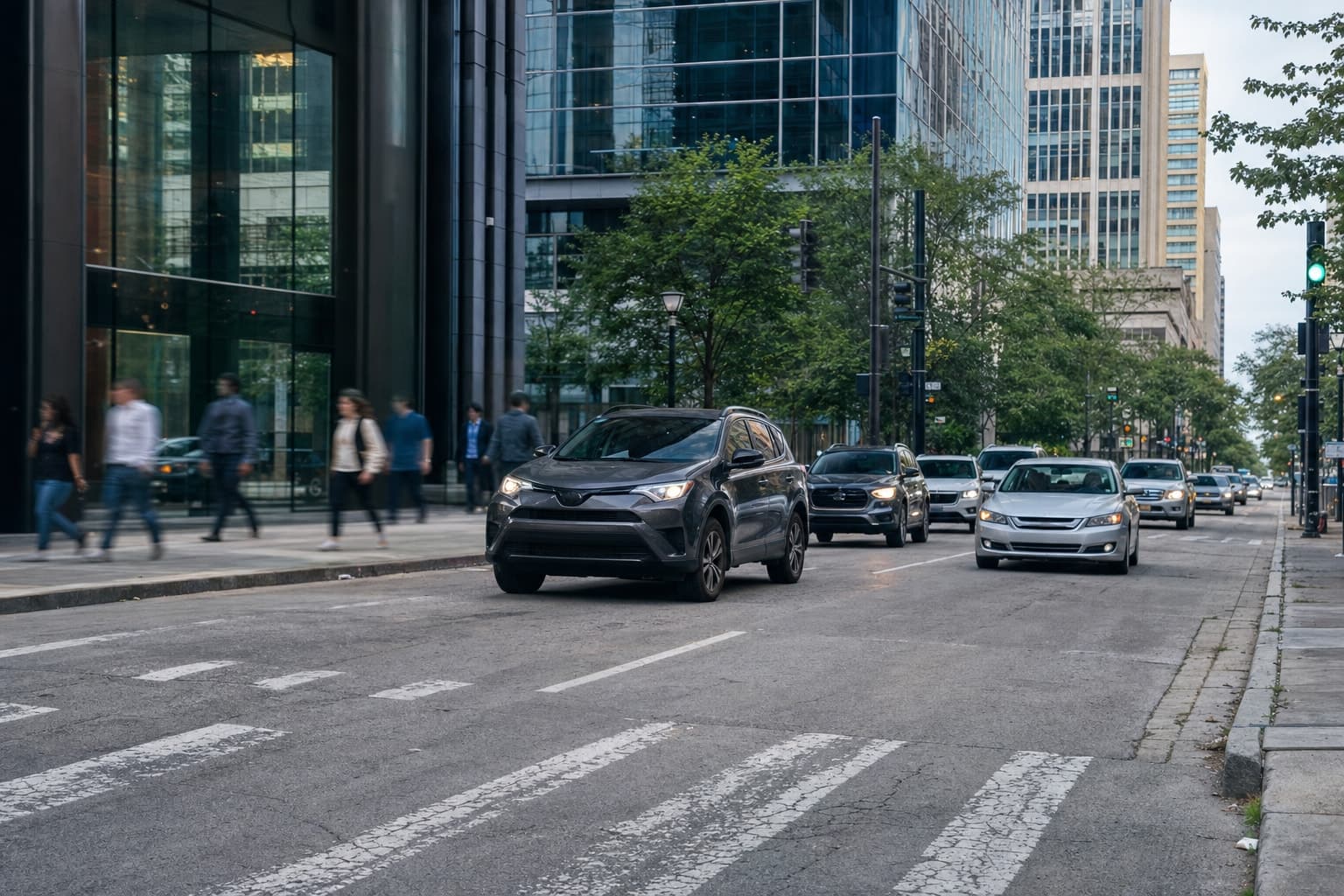
Professional services, health care, and retail anchor the county economy around Dallas, and that mix shapes local driving in ways worth weighing before renewal. A lot of driving here happens on tight, client-facing schedules spread across offices, clinics, stores, and home stops. That changes how you should review car insurance in Dallas. A policy here often needs to match weekday commuting, midday errands between appointments, shared household vehicles, and parking in busy commercial areas. Dallas County has a large business base, so roads and parking lots see constant turnover from employees, customers, vendors, and delivery traffic. For you, that means it is worth checking whether your liability limits still make sense for dense everyday driving. It also means evaluating whether collision fits the value of your vehicle, and whether uninsured or underinsured motorist coverage is a gap you want to review before renewal. If your routine includes downtown garages, medical campuses, retail corridors, or frequent crosstown trips, ask for quote options that separate essential coverage from add-ons you may not need.
Texas has a very high climate risk rating. Top hazards: Hurricane (Very High), Tornado (Very High), Hailstorm (Very High), Flooding (Very High). The state's expected annual loss from natural hazards is $12.4B, which influences car insurance premiums and may affect coverage availability in high-risk areas.
What Car Insurance Covers
Texas auto policies are built around the same core coverages, but the way you choose them should reflect local driving and weather risk. Liability coverage pays for injuries and damage you cause to others, and state rules are overseen by the Texas Department of Insurance. Collision coverage repairs or replaces your vehicle after an auto accident. Comprehensive coverage is the part that matters most when Texas weather brings hail, hurricane-related wind, flooding, or other non-collision losses.
Uninsured motorist coverage is especially practical in a state where the uninsured driver rate is high, because it steps in when the other driver lacks enough coverage. Medical payments coverage handles covered medical expenses after a crash, and rental car coverage pays for a temporary vehicle while yours is being repaired.
Texas does not make every coverage optional in the same way, so the policy you choose should be reviewed line by line. Deductibles and coverage limits change how much risk you keep on your side of the policy, and endorsements can alter the final protection. Coverage options and underwriting rules vary by carrier. A policy built for a driver in a dense metro area may look different from one for someone in a rural county with more storm exposure.
Coverage Included

Liability
Can help pay for injuries and property damage you cause to others in an accident, coverage most states require drivers to carry.

Collision
Can help pay to repair or replace your car after a crash with another vehicle or object, regardless of fault.

Comprehensive
Typically covers damage to your car from events other than collisions, such as theft, hail, fire, flooding, or hitting an animal.

Uninsured Motorist
May pay for your injuries and, in some states, car damage when an at-fault driver has no insurance or too little.

Medical Payments
Can help cover medical bills for you and your passengers after an accident, no matter who was at fault.

Rental Reimbursement
May pay for a rental car while your vehicle is in the shop for repairs after a covered claim.
Car Insurance Cost in Dallas
Average Cost in Texas
$100 - $250
per month
In Texas, car insurance premiums typically run $100 - $250 per month, which tends to run 3% above the national range of $110 - $230 per month.
- Driving record and age
- Vehicle make, model, and year
- Location and commute distance
- Credit-based insurance score
- Coverage limits and deductibles
Contact CPK Insurance for a personalized quote.
Prices shown are general estimates, not guaranteed rates or quotes. Your actual premium will depend on the insurer, coverage selected, personal details, location, claims history, and other underwriting factors. Learn about our pricing methodology.
Car insurance cost in Texas is shaped by both driving patterns and statewide risk. Pricing varies by driver, vehicle, and coverage choices, and it sits higher than the national average. That higher level is consistent with the state's significant hurricane, tornado, hailstorm, and flooding risk, plus elevated auto accident exposure. A single serious accident can drive up what everyone pays.
If you drive in storm-prone areas near the Gulf Coast, in hail-heavy North Texas, or in dense metro traffic, your quote may reflect those local conditions. Several pricing factors matter: your coverage limits and deductibles, claims history, location, vehicle make and model, annual mileage, and policy endorsements. A competitive market keeps options open, but risk still drives what you pay.
Texas also sees a high volume of total crashes and fatalities each year, with leading causes like drowsy driving, distracted driving, speeding, impaired driving, and lane departure. Those factors can influence underwriting and premium levels. Because premiums vary by driver and vehicle, a quote in suburban Austin may differ from one for a commuter in Houston or a driver in a hail-prone county.
What Makes Dallas Different
Dallas County has 70,472 business establishments, which means your vehicle is likely parked near other cars more often than you might assume. Its largest establishment shares are professional, scientific, and technical services at 15.2%, health care and social assistance at 11.5%, and retail trade at 11.1%, so your daily route probably weaves through a mix of office parks, clinics, and shopping centers rather than a single district. Local traffic is not just commuter traffic but appointment traffic, shift changes, customer parking turnover, service calls, and short trips between commercial nodes throughout the day. For a driver, that raises practical questions about where your car spends time and how often it is parked around other vehicles. If your household has one car used for both workday mobility and personal errands, review how often it is on the road, who regularly drives it, and whether your policy choices still fit that pattern. The real difference is how often your vehicle is exposed to busy, mixed-purpose driving environments.
Our Recommendation for Dallas
Begin with where you actually drive and park each week. If you drive between offices, campuses, stores, or client locations, ask to review liability limits with that exposure in mind instead of defaulting to the minimum you chose years ago. If your car is financed or still holds meaningful value, compare collision and comprehensive deductibles against what you could comfortably pay out of pocket after damage or theft. Dallas median household income is $67,760, so for many households a deductible decision is really a cash-flow decision, not just a premium decision. If your routine has shifted since your last policy period, request a fresh comparison built around where you actually drive, park, and leave the vehicle during the week.
Get Car Insurance in Dallas
Enter your ZIP code to compare car insurance rates from carriers in Dallas, TX.
Car insurance starting at $59/mo
FAQ
Frequently Asked Questions
Drivers with mixed workday travel should review liability limits, collision, and uninsured or underinsured motorist options first. Everyday driving here often includes crowded commercial parking and frequent short trips, not just one commute.
It can, because it points to more mixed-purpose driving exposure. With professional services at 15.2%, health care at 11.5%, and retail at 11.1%, ask for quotes built around your real weekly route and parking pattern.
Treat deductibles as a budget decision as much as an insurance decision. The city's median household income is $67,760, so it is smart to choose a deductible you could realistically handle after a covered loss without straining monthly cash flow.
You may want to review limits above the minimum. Local driving often means more vehicle interaction, more parking turnover, and more chances for a claim involving property damage or injuries.
In Texas, liability coverage forms the base of your protection, collision coverage repairs your car after an auto accident, and comprehensive coverage handles non-collision losses like hail or hurricane-related damage. Medical payments coverage addresses covered medical expenses, and rental car coverage keeps you mobile while repairs are underway.
Texas requires minimum liability limits of 30/60/25, which means $30,000 per person and $60,000 per accident for bodily injury, plus $25,000 for property damage. The Texas Department of Insurance regulates the market, and drivers should confirm the liability limits and policy details they are carrying before finalizing coverage. Because requirements and policy structure can vary, it is important to verify what your specific quote includes rather than assuming every policy is the same.
Texas premiums typically start at about $100 to $250 per month, though your actual cost depends on factors like your ZIP code, claims history, coverage limits, deductible, vehicle, and endorsements. Areas with higher storm or crash exposure can see different pricing than lower-risk locations.
Many Texas drivers review all three together because liability pays for damage you cause to others, collision handles your own vehicle after an accident, and comprehensive coverage matters in a state with significant hail, hurricane, tornado, and flooding risk. The right mix depends on your vehicle value, commute, and budget.
Sources
- 1.U.S. Census Bureau, County Business Patterns, Dallas County(Dallas County has 70,472 business establishments, and its largest establishment shares are professional, scientific, and technical services at 15.2%, health care and social assistance at 11.5%, and retail trade at 11.1%, so local traffic includes appointment traffic, shift changes, and customer parking turnover throughout the day.)
- 2.U.S. Census Bureau, ACS 5-Year Estimates, table B19013(Dallas median household income is $67,760, so deductible choices should be reviewed as a cash-flow decision as well as a premium decision.)
Updated July 16, 2026