Updated July 16, 2026

On-Hook Towing Insurance in Dallas
Property managers, apartment operators, lenders, and commercial clients often want proof that your policy addresses customer vehicles while they are attached, lifted, loaded, or carried. Without it, they will not let you work a private lot or vendor account. For on hook towing insurance in Dallas, satisfying that request usually means showing limits and operations that match the jobs you actually take, not a generic towing description. Local work often crosses private parking enforcement, retail lots, medical campuses, and office properties where a disputed scratch, wheel damage claim, or handoff problem can turn into a contract issue fast. Dallas County has over 70,000 business establishments. That density works against you when a single disputed scratch at one retail center reaches the property manager at three others, because those managers talk to each other and often share vendor lists. If your book includes apartment towing, lender-directed repossession support, dealer transfers, or after-hours removals from managed properties, ask for a quote built around those assignments and your normal storage and release process. Your dispatch mix, radius, unit list, and any private property agreements let the agent match the policy to how your trucks really operate.
On-Hook Towing Insurance Risk Factors in Dallas
Dallas's top risk factors include Flooding, Hurricane damage, Coastal storm surge, and Wind damage.
Texas has a very high climate risk rating. Top hazards: Hurricane (Very High), Tornado (Very High), Hailstorm (Very High), Flooding (Very High). The state's expected annual loss from natural hazards is $12.4B, which influences on-hook towing insurance premiums and may affect coverage availability in high-risk areas.
What On-Hook Towing Insurance Covers
The useful review here is not the basic definition of on-hook coverage. It is where your actual tow path creates avoidable gaps. A roadside tow on a dry urban route is underwritten differently from a storm-related recovery on a shoulder, a private property impound in a tight apartment lot, or a dealer transfer where a late damage allegation appears after delivery. You want the quote built around those operational differences, because that is where claim disputes usually start.
For many towing businesses, the first issue is how the vehicle is handled before and after the tow movement. If your drivers photograph condition at pickup, note pre-existing damage, record wheel position, and document release signatures, you give the carrier a cleaner file if a customer later alleges new damage. If your operation also performs recovery or winching, ask whether those activities are contemplated the way you actually perform them, especially when the job begins in mud, standing water, or storm debris and then turns into a standard tow.
Weather exposure should also shape the coverage conversation. Hail, wind, flood-prone streets, and severe storms can complicate loading locations, increase the chance of secondary damage, and delay delivery. If you move vehicles between police-directed scenes, storage lots, body shops, auctions, and dealerships, ask for wording and limits that match those handoffs so your paperwork supports the same story your policy is priced on.
Coverage Included
Collision on Hook
Covers damage to towed vehicles from collisions during transport.
Comprehensive on Hook
Covers theft, fire, and weather damage to vehicles being towed.
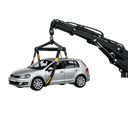
Loading & Unloading
Covers damage during the process of loading and unloading vehicles.
Winching Coverage
Covers damage to vehicles during winching and recovery operations.
Multiple Vehicle
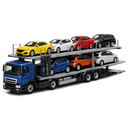
Covers all vehicles on multi-car carriers and rollback flatbeds.
Industries & Insurance Needs in Dallas
County business mix is part of the buying conversation here because it shapes where your trucks are sent and what kind of vehicle handling disputes are most likely. In Dallas County, leading sectors by establishment share are professional, scientific, and technical services at 15.2%, health care and social assistance at 11.5%, and retail trade at 11.1%, so a tow company may spend a meaningful part of the week working office properties, medical sites, and shopping areas where private lot rules, access constraints, and customer complaints are tightly managed. That does not automatically change every quote, but it does change what you should disclose. If your work regularly involves parking enforcement for office buildings, hospital-adjacent lots, or retail centers, ask the agent to review how those assignments are described on the application and whether your on-hook limits fit the vehicles you most often move.
What Makes Dallas Different
In a market with dense commercial properties, managed parking, and a high volume of vendor-screened accounts, the coverage question is often less about whether you tow and more about where the vehicle is picked up, who authorized the removal, and how cleanly the condition of that vehicle can be documented from hookup through release. If you serve apartments, retail centers, office garages, or lender and dealer accounts, ask for the quote to reflect those job types separately when possible. Review your intake photos, dispatch records, lot authorization paperwork, and storage handoff steps before you bind. The insurer needs to see the same intake photos, release logs, and condition reports your clients already require, because that documentation is what proves custody and condition if a vehicle owner later disputes damage, timing, or handoff.
Our Recommendation for Dallas
Before you request terms, pull apart your dispatch log and separate roadside calls from private property removals, dealer moves, impounds, and any recovery work. Those assignments create different documentation and handling issues once a customer vehicle is in your care. If you work for apartment groups, shopping centers, hospitals, or office properties, your contract requirements and normal job mix help you check whether the policy language and limits fit the agreements you are signing. Dallas median household income is $67,760. A customer earning that level can absorb a $500 repair estimate and still find it worthwhile to file a claim, chase your insurance, and push for a payout rather than drop the matter over a deductible. For that reason, review your photo procedure, condition reports, release logs, and any subcontracted storage handoffs with the same care as your limits. Before you buy, ask the agent to walk through one real recent tow from dispatch to release and confirm the policy matches that sequence.
Get On-Hook Towing Insurance in Dallas
Enter your ZIP code to compare on-hook towing insurance rates from carriers in Dallas, TX.
Business insurance starting at $25/mo
FAQ
Frequently Asked Questions
Dallas property managers, commercial clients, lenders, and dealer accounts are common proof-of-coverage requesters because they want to see that customer vehicles are addressed while being moved. Each one tends to ask for specific language and limits tied to the property type, so a generic certificate rarely satisfies the requirement.
Dallas County business mix can affect how you describe operations. Professional services, health care, and retail together account for roughly 38 percent of area establishments. Those sectors tend to hire tow vendors through property management firms that carry their own insurance requirements and screen contractors before approving them. Your application should clearly describe private lot, office, medical, or retail towing work.
Vendor screening is common across commercial properties and service accounts in Dallas County. A detailed operations description helps show that your limits, vehicle handling process, and documentation fit the kinds of jobs those accounts are hiring you to perform.
Buyers should usually separate dealer moves, apartment towing, roadside calls, and other assignments during the quote process. That gives the insurer a clearer picture of how vehicles are picked up, documented, transported, stored, and released across your actual workflow.
Dispatch summaries, unit schedules, service agreements, sample certificates, intake photos, and release procedures help the agent compare your real operating sequence against the policy terms before you bind coverage.
Texas operators should shop with a service-by-service breakdown, because mixed work like impounds, recovery, and dealer moves can change claim severity. Compare quotes carefully and disclose how your dispatch mix really works.
Texas weather can affect quotes because hail, flooding, wind, and storm debris can make a tow harder to document and defend after a loss. If weather regularly changes your tow conditions, tell the underwriter before binding so the quote reflects real exposure.
Texas tow companies should show dispatch records, driver lists, unit details, loss history, photo procedures, and sample release forms. That helps the insurer price your actual operation instead of a simplified towing description that may not match your daily work.
Sources
- 1.U.S. Census Bureau, County Business Patterns, Dallas County(Dallas County has 70,472 business establishments, so there are a lot of property relationships where certificate requests and vendor screening can affect who gets the call.; In Dallas County, leading sectors by establishment share are professional, scientific, and technical services at 15.2%, health care and social assistance at 11.5%, and retail trade at 11.1%, so a tow company may spend a meaningful part of the week working office properties, medical sites, and shopping areas where private lot rules, access constraints, and customer complaints are tightly managed.)
- 2.U.S. Census Bureau, ACS 5-Year Estimates, table B19013(Dallas median household income is $67,760, so even routine passenger vehicle claims can become financially sensitive for the owner and more likely to be pressed hard if there is alleged damage.)
Updated July 16, 2026