







































Updated July 16, 2026

Dealer Open Lot Insurance in Houston
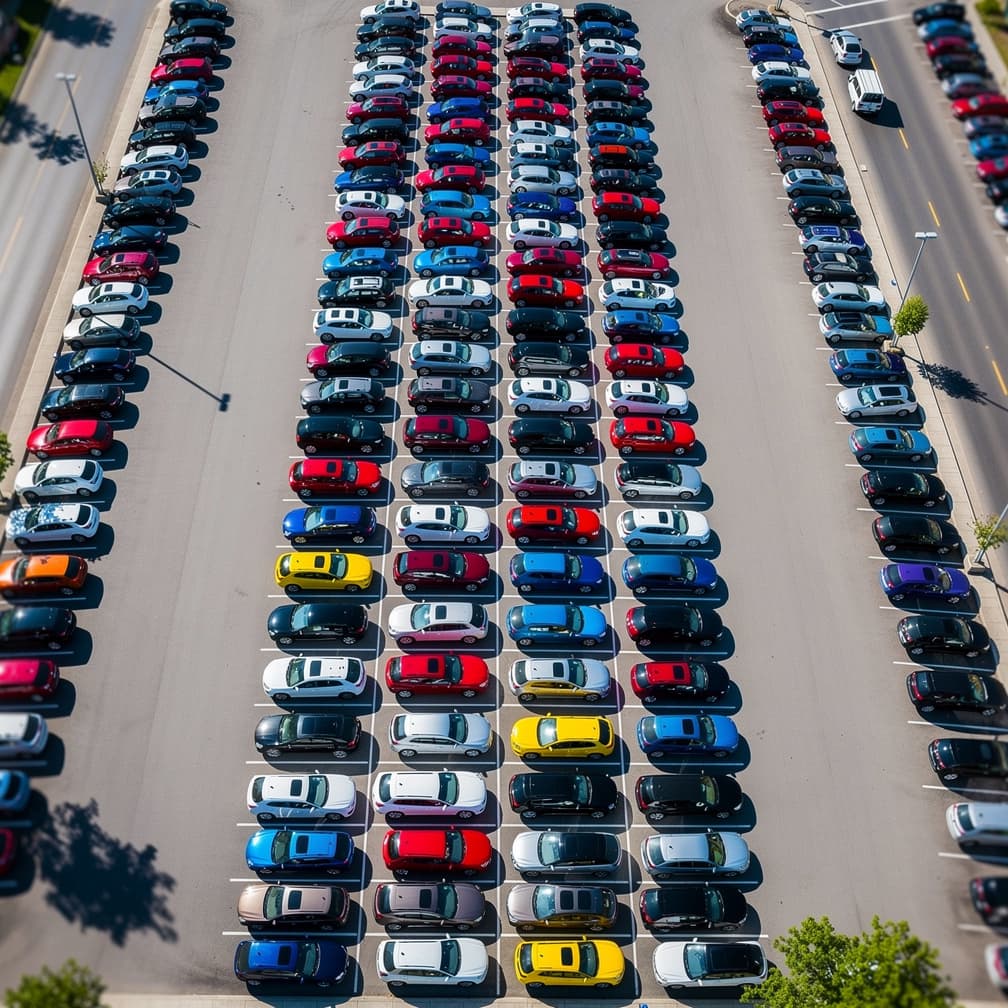
A lot of dealers here start reviewing coverage right before a lease is signed, a satellite storage yard is added, or storm season changes how long units sit outside. Your inventory may move between a frontage lot, overflow storage, recon, and transport routes across a very large county in the same week. Harris County has 109,874 business establishments, so your lot likely sits near neighboring properties that share driveways, sightlines, and traffic patterns. That density makes access control, fencing, lighting, and documented storage arrangements worth reviewing before you ask for terms. If your lot plan has changed since the last renewal, gather the addresses, maximum unit counts by location, and any recent security upgrades first. A cleaner submission helps you request terms that match how your inventory is actually stored and moved locally.
Dealer Open Lot Insurance Risk Factors in Houston
Weather exposure is the local issue that changes the conversation most. Inventory often sits outside for long stretches, and local buyers know a **single storm event** can affect many units at once, especially when overflow space is farther from the main sales lot and checked less often. That is why your quote request should separate primary display locations from overflow and temporary storage, note surface drainage conditions, and explain how quickly vehicles can be moved if severe weather is forecast. If some units are packed tightly to maximize space, say so and review whether your limits still fit a concentrated loss scenario. It is also worth asking how the policy treats vehicles in transit between nearby locations, after-hours custody, and any waiting period or documentation the carrier expects after a weather-related loss. Those details matter more here than a generic vehicle count.
Texas has a very high climate risk rating. Top hazards: Hurricane (Very High), Tornado (Very High), Hailstorm (Very High), Flooding (Very High). The state's expected annual loss from natural hazards is $12.4B, which influences dealer open lot insurance premiums and may affect coverage availability in high-risk areas.
What Dealer Open Lot Insurance Covers
In Texas, the most useful review is not just whether inventory is insured, but how the policy treats the way your dealership actually stores and moves vehicles. A single-location lot with perimeter fencing presents one underwriting picture. A dealer that rotates units between the main lot, a back storage yard, a recon vendor, and occasional auction pickups presents another. If those addresses, custody changes, or movement patterns are not described correctly, you can end up debating whether a loss happened at a scheduled location or during a covered handling step.
You may keep front-line inventory where customers shop, hold overflow units elsewhere, and move vehicles as merchandising changes. Your review should focus on whether each storage arrangement is disclosed, whether temporary offsite holding is addressed, and whether the policy language lines up with your normal transfer process. If a lender or landlord asks for proof of coverage, they usually want the named insured, covered locations, and effective dates to match the real operation.
You should also review how the policy handles practical dealership exposures tied to Texas conditions. Outdoor inventory can face sudden storms and hail, while keys, gate access, and after-hours lot controls affect theft and vandalism exposure. If you use third parties for transport, detailing, or reconditioning, ask how custody is treated before a claim forces the issue. A strong quote review is specific. Scheduled locations, peak inventory values, and offsite storage should all be checked before binding, along with test-drive procedures and any lender-required wording.
Coverage Included

Weather Damage
Covers hail, wind, flood, and storm damage to lot inventory.
Theft Protection
Covers vehicles stolen from your lot.

Fire Damage
Covers fire and explosion damage to inventory vehicles.

Vandalism
Covers intentional damage to vehicles on your lot.
Test Drive Coverage
Covers vehicles during customer and employee test drives.
Transit Coverage
Covers vehicles being moved between lot locations.
What Makes Houston Different
Houston dealers tend to operate along dense commercial corridors where inventory changes faster than real estate does. Shared access points and offsite storage compromises develop as a result, and your policy needs to reflect that reality. The cleanest account is usually the one that can show a current location schedule, realistic peak unit counts, and clear responsibility for keys, transport, and overnight custody at each address. Vehicles get displayed in one place, detailed in another, stored somewhere else, and occasionally staged on short notice when space tightens. If your insurance file still describes a simpler footprint than your business uses today, fix that before renewal.
Our Recommendation for Houston
Start with a location-by-location inventory worksheet, not a rough total. List every address where dealer units sit, then note the usual and peak counts for each one. That helps you test whether your current limit fits the way inventory concentrates after auctions, trade-in spikes, or weather moves. Next, document the controls an underwriter will ask about, including fencing, gates, cameras, lighting, key procedures, and who can move vehicles after hours. If you use overflow space, confirm the agreement is current and make sure the address appears correctly on your insurance request. It is also smart to review how claims would be documented if multiple units are damaged in one event. Delays often start with incomplete location records and inconsistent photos. Pull a current lot list, your storage addresses, and any recent security improvements so the terms you review are tied to the operation you run now.
Get Dealer Open Lot Insurance in Houston
Enter your ZIP code to compare dealer open lot insurance rates from carriers in Houston, TX.
Business insurance starting at $25/mo
FAQ
Frequently Asked Questions
Start with every storage and display address, peak unit counts by location, and notes on fencing, lighting, cameras, and key control. In a county with heavy commercial property use, underwriters usually want a clear picture of how your inventory is spread across active sites.
Off-main-lot inventory creates a different custody and security picture than a single sales location. If units sit at a secondary yard, list that address, the maximum count there, and how often staff checks the site.
Dealer inventory often remains outdoors and can be affected by one event across many units. Underwriters may want to know where vehicles are concentrated, how quickly they can be moved, and whether overflow areas drain well.
Access points, shared commercial drives, and tight storage patterns can affect theft, collision, and weather loss severity. A quote request that explains where vehicles are displayed, where they are stored overnight, and who controls movement between those places tends to move faster.
With median household income at $62,894, many dealers carry a mix of price points, so a unit mix can shift toward higher-value inventory without you noticing. Check whether your limit still fits the units you actually keep on hand.
Landlords, floorplan lenders, and some wholesale partners commonly ask for proof before they finalize a lease, release funds, or approve storage arrangements. Gathering those requirements early helps the quote and evidence of coverage match the real operation.
You should list every location where inventory is stored, even if a yard is used only for overflow or short-term holding. That gives the underwriter a clearer picture of the risk and helps you avoid disputes over whether a loss happened at a scheduled location.
Coverage for offsite inventory depends on your policy terms, scheduled locations, and how the vehicles are being stored or moved. If you use overflow yards, recon vendors, or temporary holding areas, ask for those facts to be reviewed before binding.
Sources
- 1.U.S. Census Bureau, County Business Patterns, Harris County(Harris County has 109,874 business establishments, so commercial land is used hard and shared with many neighboring operations, which makes access control, fencing, lighting, and documented storage arrangements worth reviewing before you ask for terms.)
- 2.U.S. Census Bureau, ACS 5-Year Estimates, table B19013(With median household income at $62,894, many dealers carry a mix of price points, so it is worth checking whether your limit still fits the units you actually keep on hand.)
Updated July 16, 2026





