


































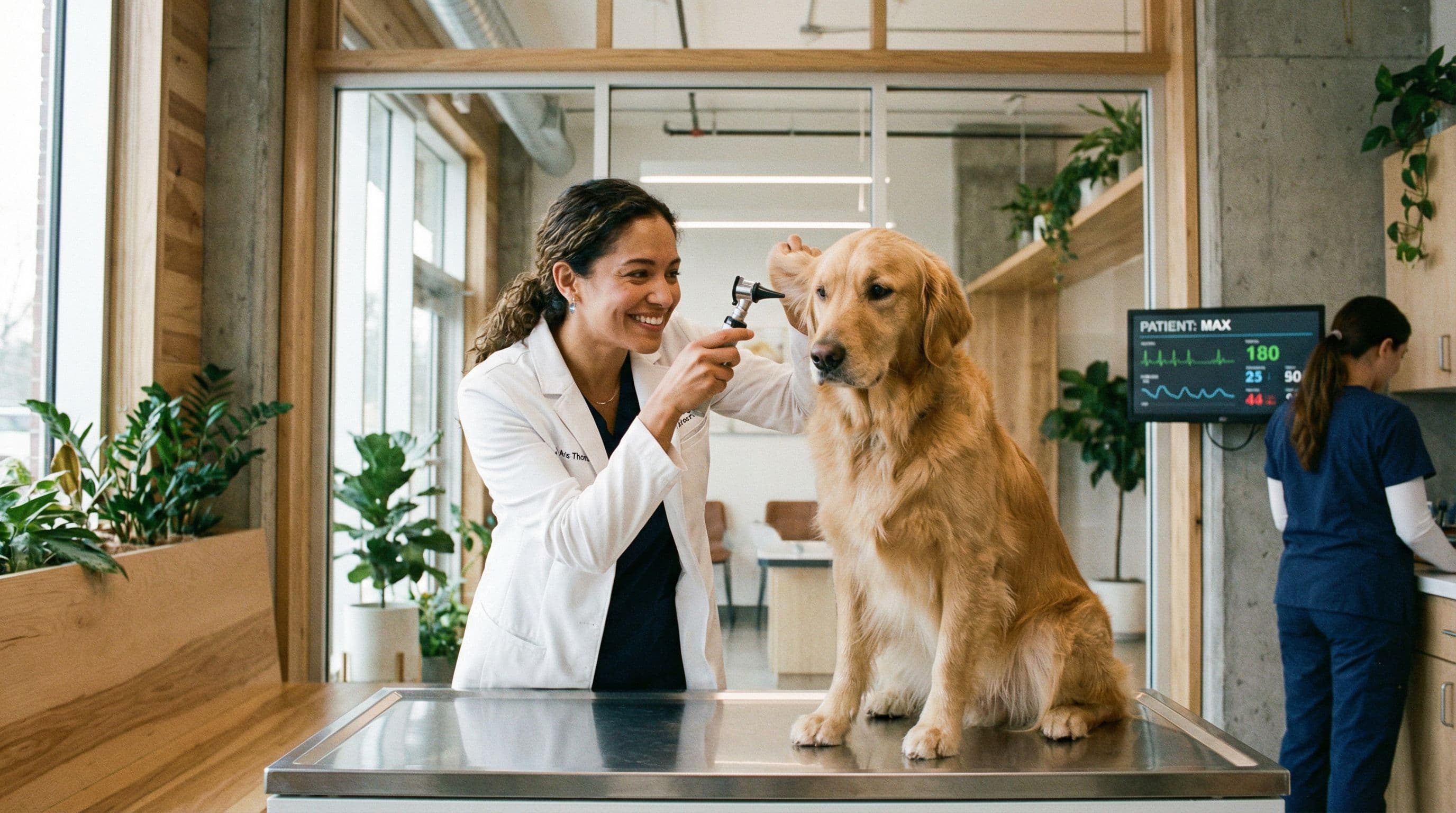
Recommended Coverage for Veterinary Services in Houston, TX
Veterinary Services businesses face unique risks that require specific coverage types. Here are the policies most veterinary services operations need:

Professional Liability Insurance
Protect your business from claims of negligence, errors, and omissions in your professional services.

General Liability Insurance
Essential coverage for every business, protect against third-party bodily injury, property damage, and advertising claims.

Commercial Property Insurance
Safeguard your business property, equipment, and inventory against damage and loss.

Workers Compensation Insurance
Help cover your employees' medical expenses and lost wages for work-related injuries and illnesses.

Business Owners Policy Insurance
Bundle property and liability coverage into one convenient, cost-effective policy for small businesses.
Veterinary Services Insurance Overview in Houston, TX
Houston veterinary practices operate in a city where clinic traffic, neighborhood access, and severe-weather exposure can all shape day-to-day risk. With a 2024 business base of 57,615 establishments, a cost of living index of 114, and a median home value of $321,000, local practices often balance patient care with the realities of operating in a large, fast-moving metro. That includes downtown clinics with curbside handoffs, suburban offices serving growing neighborhoods, and mobile teams traveling across wide service areas.
Veterinary Services insurance in Houston, TX is designed to help practices think through the exposures that come with hands-on animal care, client visits, and specialized equipment. In a market where Healthcare & Social Assistance, Retail Trade, and Professional & Technical Services all have a strong presence, many practices need coverage that fits a small business environment while still addressing professional errors, client claims, legal defense, property coverage, and liability coverage. For animal hospitals, veterinary offices, and mobile veterinary practices, the right policy mix often depends on how you store equipment, where you see clients, and how much physical property is at risk from storm-related damage, theft, or interruption.
Why Veterinary Services Businesses Need Insurance in Houston, TX
Houston brings together several factors that can affect a veterinary business differently than a practice in a smaller Texas city. About 26% of the city is in a flood zone, and the local risk profile also includes hurricane damage, coastal storm surge, and wind damage. For clinics near busy corridors, parking lots, and entryways, that can add strain to property coverage, equipment protection, and business continuity planning. In higher-traffic areas, client slip-and-fall accidents and third-party claims can also be part of the day-to-day picture.
The city’s crime index of 108 and its large, diverse business environment mean many practices also pay close attention to theft risk, building damage, and the security of medical supplies and equipment. For mobile veterinary services, travel between neighborhoods can make coverage needs more variable, especially when equipment moves off-site. Veterinary malpractice insurance, veterinary general liability insurance, and veterinary commercial property insurance are often considered together because a single incident can affect multiple parts of the operation. For a Houston clinic, animal hospital, or multi-location practice, insurance is less about a one-size-fits-all package and more about matching coverage to the way the business actually operates.
Texas employs 43,342 veterinary services workers at an average wage of $41,100/year, with employment growing at 3.9% annually. Payroll-based coverages like workers' comp are directly tied to wage levels, higher payroll means higher premiums.
Workers' comp is not required for most private employers in Texas, but it is strongly recommended to protect against workplace injury claims. Commercial auto minimums are $30,000/$60,000/$25,000.
Key Risks for Veterinary Services Businesses
Each of these risks can lead to claims that cost thousands, or more. Make sure your policy addresses every one:
- Veterinary malpractice claims
- Animal bite injuries to staff
- Client slip-and-fall accidents
- Expensive equipment damage
- Pharmaceutical liability
What Drives Veterinary Services Insurance Costs in Houston, TX
Veterinary practice insurance cost in Houston varies based on practice size, services offered, location, and the value of equipment and property you need to protect. Houston’s cost of living index of 114 and median home value of $321,000 can influence local operating expenses, while flood exposure, hurricane risk, and wind damage can affect how insurers evaluate property coverage and interruption risk. A clinic in a flood-prone area may see different pricing considerations than a suburban office or a mobile veterinary practice with limited fixed property.
Other drivers can include the number of staff, the mix of professional services, the amount of client-facing space, and whether you need bundled coverage for liability, property, and workers compensation. For veterinary clinics with expensive diagnostic equipment or pharmaceutical inventory, those assets may also influence the quote. Because every animal hospital and mobile practice has different exposures, a veterinary clinic insurance quote in Houston is usually based on the details of the location, operations, and coverage limits requested.
Insurance Regulations in Texas
Key regulatory requirements for businesses operating in TX.
Regulatory Authority
Texas Department of InsuranceWorkers' Compensation Insurance
Commercial Auto Minimum Liability
$30,000/$60,000/$25,000 (bodily injury per person / per accident / property damage)
Source: Texas Department of Insurance, U.S. Department of Labor
What Drives Veterinary Services Insurance Costs in Texas
Texas premiums are 12% above the national average. Comparing multiple carriers is critical for veterinary services businesses to avoid overpaying.
Texas's top natural hazards, hurricane, tornado, hailstorm, directly affect property and liability premiums for veterinary services businesses. Check your policy exclusions and ask about endorsements for these perils.
CPK Insurance compares veterinary services quotes from top-rated carriers in Texas. Enter your ZIP code to see rates in minutes.
Where Veterinary Services Insurance Demand Is Highest in Texas
43,342 veterinary services workers in Texas means significant insurance demand, and it's growing at 3.9% annually. These cities have the highest concentration of veterinary services businesses:
Climate Risk Profile
Natural Disaster Risk in Texas
Understanding climate-related risks helps determine appropriate insurance coverage levels.
Hurricane
Very High
Tornado
Very High
Hailstorm
Very High
Flooding
Very High
Expected Annual Loss from Natural Hazards
$12.4B
estimated economic loss per year across Texas
Source: FEMA National Risk Index
Insurance Tips for Veterinary Services Business Owners in Houston, TX
Ask for veterinary liability coverage that reflects your actual services, especially if your Houston practice handles treatment-related decisions, client communications, and legal defense needs.
Review veterinary commercial property insurance for equipment, inventory, and building damage if your clinic is in an area exposed to flooding, hurricane damage, or wind damage.
For downtown clinics or busy neighborhood locations, make sure veterinary general liability insurance accounts for client slip-and-fall accidents, third-party claims, and other visitor-related exposures.
If you operate a mobile veterinary practice in Houston, confirm how coverage applies to equipment in transit, off-site patient visits, and temporary work locations.
Consider veterinary workers compensation insurance for staff safety planning, especially where lifting, handling animals, and rehabilitation-related medical costs or lost wages could arise from a workplace incident.
Ask whether a business owners policy can bundle property coverage and liability coverage for a smaller veterinary office, or whether a separate policy structure fits a larger animal hospital better.
Get Veterinary Services Insurance in Houston, TX
Enter your ZIP code to compare veterinary services insurance rates from top carriers.
Business insurance starting at $25/mo
Veterinary Services Business Types in Houston, TX
Find insurance tailored to your specific veterinary services business. Select your business type for coverage recommendations, pricing, and quotes:

Pet Grooming Insurance
Get a pet grooming insurance quote built for salons and mobile groomers. It can help address animal injury liability, bite incidents, and other grooming-related claims.

Veterinary Clinic Insurance
Get a veterinary clinic insurance quote built around the risks your practice faces, from professional liability to commercial property and animal bailee coverage. Options can be tailored for small clinics and larger animal hospitals.

Dog Boarding Insurance
Get dog boarding insurance coverage built for kennels, day care add-ons, and overnight care. Protect your facility from liability claims, property damage, and business interruptions that can happen during daily operations.

Dog Walker Insurance
Get dog walker insurance coverage built for walks, visits, and pet care appointments. Request a quote to review options for animal incidents, client property damage, and professional liability.

Dog Trainer Insurance
Get dog trainer insurance built for bite incidents, property damage claims, and professional liability. It can fit private lessons, group obedience classes, and trainer coverage without a facility.

Doggy Daycare Insurance
Get a doggy daycare insurance quote built for the day-to-day risks of a busy pet play facility. Compare options for liability, property, and employee-related coverage.
FAQ
Veterinary Services Insurance FAQ in Houston, TX
Most clinics start by reviewing professional liability, general liability, commercial property, and workers compensation needs. In Houston, it also helps to think about flood exposure, wind damage, and whether your office has equipment or inventory that needs extra protection.
Pricing varies based on the size of the practice, the services offered, the location, and the value of property and equipment. A clinic in a higher-risk area or a mobile practice with more variable operations may be quoted differently than a smaller suburban office.
Requirements vary by business structure, lease terms, and staffing. Many practices review liability coverage, property protection, and workers compensation together so they can align with local operating needs and any contractual obligations.
Veterinary malpractice insurance is typically considered alongside professional liability for treatment-related exposures, legal defense, and professional errors. The exact scope varies by policy, so it is important to confirm how the coverage is written for your practice.
Often, a business owners policy or similar bundled structure may combine property coverage and liability coverage, while workers compensation is reviewed separately depending on the business. The right setup varies by clinic size and operations.
Mobile practices usually look closely at liability coverage, property protection for equipment, and how the policy treats items used off-site or in transit. If you travel across Houston neighborhoods, it is worth confirming coverage details before you buy.
A veterinary clinic usually reviews professional liability insurance, general liability insurance, commercial property insurance, workers compensation insurance, and often a business owners policy insurance package. The right mix depends on your services, staff duties, equipment values, and whether you lease, own, or operate from multiple locations.
Mobile veterinarians often need the same core policies, but the review changes because care happens in homes, farms, or temporary settings. You should account for equipment in transit, medication storage, changing animal handling conditions, and how records are documented away from the main office.
Professional liability insurance is designed to respond to allegations tied to veterinary judgment, treatment, or related professional services, depending on policy terms. You should review how the policy matches your procedure mix, consent process, recordkeeping, and any surgery or higher-acuity services you provide.
Workers compensation matters in veterinary practices because employees regularly lift animals, restrain frightened patients, handle sharps, clean cages, and work around chemicals. If job duties are described too broadly or inaccurately, your quote and policy setup may not match the way your team actually works.
A business owners policy can work as a starting point for some animal hospitals, especially when you want property and liability packaged together. You still need to test it against surgery exposure, equipment values, pharmacy stock, tenant improvements, and the income impact of interrupted operations.
Veterinary practice insurance costs are usually shaped by payroll, employee roles, property values, procedure mix, chosen limits, claims history, and whether you operate from a clinic, hospital, or mobile setup. Gather those details before quoting so the pricing reflects your actual operations.
Many veterinary office leases require proof of liability coverage and may also set property or certificate standards before move-in, renewal, or build-out. Review the lease language early, because insurance requirements that are missed at signing can delay occupancy or create last-minute endorsement requests.
A veterinary practice should update its insurance whenever operations change in a meaningful way, such as adding doctors, expanding hours, renovating treatment space, purchasing equipment, or introducing new procedures. Waiting until renewal can leave payroll, property values, or liability assumptions out of date.