Updated July 16, 2026

Business Owners Policy Insurance in Texas
A business owners policy is often the starting point for Texas owners who want one policy that addresses property, liability, and business interruption in a market shaped by severe weather. The state's regulatory body oversees the market, and roughly 820 active insurers compete for business across Texas. That competition exists in a pricing environment where premiums run above the national average, which matters because your budget for protection may need to stretch further here than elsewhere. If you operate in Austin, Houston, Dallas, San Antonio, or along the Gulf Coast, your building, inventory, and equipment can face very different exposure than a similar business in another state.
Texas is home to 682,400 businesses, and the vast majority are small operations, so carriers often tailor their packages to firms with modest square footage and manageable risk profiles. A BOP can be a practical bundle when you want core property and liability protection in one policy, plus business income coverage if a covered loss interrupts operations. The right fit depends on your specific address, industry, and property values, not a generic template.
What Business Owners Policy Insurance Covers
A Texas BOP usually combines commercial property and general liability in one package, and many policies also include business income coverage for a temporary shutdown after a covered event. That bundled structure is useful in Texas because severe storms are common, and property losses can affect buildings, equipment, and inventory at the same time. Coverage decisions still vary by carrier, so your policy should be reviewed line by line for limits, deductibles, and endorsements. Texas does not require workers' compensation for private employers, so a BOP does not replace that separate decision; it simply addresses the property and liability side of your insurance program.
Your policy may also be customized with equipment breakdown coverage, which can help cover repair or replacement costs if a covered mechanical or electrical failure interrupts operations. Some carriers offer hired and non-owned auto coverage as an added endorsement. Business income coverage is especially important for businesses that rely on rent, payroll, utilities, or customer traffic, because it can help with ongoing expenses during a covered closure. Exclusions and endorsement options vary, so a policy written for a retail shop in San Antonio may differ from one written for a service business in Austin or a coastal operation near Houston. State regulators oversee the market, but the exact requirements depend on your industry, property, and carrier underwriting.
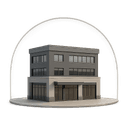
Commercial Property
Can help repair or replace your building, equipment, inventory, and furnishings after covered events like fire, wind, or theft.

General Liability
Can help cover customer injuries, damage to property owned by others, and related legal costs your business becomes responsible for.
Business Income
May replace lost income and help pay rent, payroll, and other continuing expenses while covered damage forces a temporary shutdown.
Equipment Breakdown
Typically covers repair or replacement when equipment like air conditioning, refrigeration, or computers fails from a sudden mechanical or electrical breakdown.
Hired & Non-Owned Auto
May respond when vehicles your business rents or employees' personal cars are used for work and cause an accident.
Business Owners Policy Insurance Requirements in Texas
- Texas private employers are not required to carry workers' compensation, so a BOP does not replace that separate coverage decision.
- Texas BOP pricing is shaped by very high severe weather risk, especially in coastal and storm-prone areas.
- State regulators oversee the market, but requirements still vary by industry, size, and carrier.
- Coverage for business income, equipment breakdown, and hired and non-owned auto can be added or limited depending on the policy form.
How Much Does Business Owners Policy Insurance Cost in Texas?
Average Cost in Texas
$55 - $210
per month
Businesses in Texas typically see business owners policy insurance premiums of $55 - $210 per month, which tends to run 26% above the national range of $50 - $160 per month.
- Annual revenue and industry class
- Building and contents values
- Square footage and building age
- Catastrophe exposure at your address
- Liability limits and property deductibles
- Claims history
Contact CPK Insurance for a personalized quote.
Business owners policy cost in Texas typically reflects a state average of about $55 to $210 per month, depending on the quote source and policy design. That sits above the national benchmark, which fits a market where premiums run roughly 12% higher than the typical U.S. business pays for similar coverage. Texas also has very high exposure to wind and hail losses, and those hazards can push pricing higher for businesses in coastal counties, storm-prone corridors, or older buildings.
Location matters beyond the city name. A storefront in Austin's urban core, a warehouse near the Gulf Coast, a retail shop in hail-prone North Texas, or a business in a flood-exposed area can all receive different pricing. Carrier competition is strong, with hundreds of active insurers in the state, so shopping multiple quotes can matter as much as the property itself. A business with higher property values, more inventory, or more equipment coverage usually sees a different premium than a low-value office with limited contents. Because most Texas businesses are smaller operations, many carriers price for smaller premises, but larger footprints or higher-risk operations may move outside standard appetite.
| BOP Component | What's Included | Typical Limits |
|---|---|---|
| General Liability | Third-party injury, property damage, advertising injury | $1M/$2M |
| Commercial Property | Building, equipment, inventory, fixtures | Replacement cost |
| Business Interruption | Lost income + ongoing expenses during shutdown | 12 months coverage |
| Cyber (Endorsement) | Data breach response and liability | $50K to $100K |
| EPLI (Endorsement) | Employment discrimination, harassment claims | $50K to $250K |
| Equipment Breakdown | Mechanical/electrical equipment failure | Varies by equipment value |
General Liability
- What's Included
- Third-party injury, property damage, advertising injury
- Typical Limits
- $1M/$2M
Commercial Property
- What's Included
- Building, equipment, inventory, fixtures
- Typical Limits
- Replacement cost
Business Interruption
- What's Included
- Lost income + ongoing expenses during shutdown
- Typical Limits
- 12 months coverage
Cyber (Endorsement)
- What's Included
- Data breach response and liability
- Typical Limits
- $50K to $100K
EPLI (Endorsement)
- What's Included
- Employment discrimination, harassment claims
- Typical Limits
- $50K to $250K
Equipment Breakdown
- What's Included
- Mechanical/electrical equipment failure
- Typical Limits
- Varies by equipment value
How Texas compares with the national baseline
Property crime per 100,000 residents
2,810 vs 2,200 baseline
Property crime in Texas runs above the national average, at 2,810 vs 2,200 incidents per 100,000 residents.
Blue bar: Texas. Gray line: national baseline.
Prices shown are general estimates, not guaranteed rates or quotes. Your actual premium will depend on the insurer, coverage selected, business details, location, claims history, and other underwriting factors. Learn about our pricing methodology.
Request a Quote Comparison
Enter your ZIP code to compare business owners policy insurance rates from top carriers.
Business insurance starting at $25/mo
Who Needs Business Owners Policy Insurance?
A BOP is often a fit for Texas businesses that need core property and liability protection in one policy and want a straightforward way to protect a physical location. Small businesses across the state's major metros often use it because they have inventory, tenant improvements, computers, furniture, or specialized equipment that could be affected by a covered loss. Businesses near the Gulf Coast or in other storm-exposed parts of the state may place extra value on business income coverage because a severe storm can interrupt operations even when the business is otherwise stable.
The state's economy also supports BOP use for healthcare and social assistance practices, construction-related offices with lower-risk premises, and retail trade businesses that keep stock on-site. Because most Texas businesses are small, the standard market is built around smaller operations rather than large, complex enterprises. Owners with property to insure, customer-facing liability exposure, or a need to recover lost income after a covered event are the most likely candidates. Businesses with larger facilities, higher hazard operations, or coverage needs that exceed standard BOP limits may need separate policies, but many small firms can start with a BOP and add endorsements as needed.
Business Owners Policy Insurance by City in Texas
Business Owners Policy Insurance rates and coverage options can vary across Texas. Select your city below for localized information:
How to Buy Business Owners Policy Insurance
Start by confirming that your business fits the typical BOP profile in Texas: smaller premises, manageable revenue, and a risk class that carriers are willing to write. The state-specific requirements are mainly market-driven rather than mandate-driven, because regulators oversee the market but do not set a one-size-fits-all form for every business. Gather your location details, square footage, construction type, year built, security features, revenue, payroll, equipment values, and inventory values before requesting a quote. It also helps to note whether you need equipment breakdown coverage, business income coverage, or any added endorsements, because those choices can change both pricing and eligibility.
Texas businesses should compare quotes from multiple carriers, especially in a market with hundreds of active insurers. Ask whether the quote includes commercial property and general liability only, or whether it also includes business interruption and optional endorsements. For businesses in storm-prone areas, ask how the policy handles wind, hail, and flood-related exposures, because those risks are especially relevant in Texas and can affect underwriting. Review the deductible structure carefully, since a lower deductible may change the premium and a higher deductible may shift more cost to you after a loss. If your business is in Austin, Houston, Dallas, San Antonio, or near the coast, the exact address can materially affect the quote because Texas pricing is sensitive to location and natural disaster risk. Request a quote through CPK Insurance to compare your options with participating licensed providers.
How to Save on Business Owners Policy Insurance
The most reliable way to reduce BOP cost in Texas is to compare multiple quotes, because carrier appetite can vary by industry and location. Bundling can also help, since your policy already packages commercial property and general liability, and some businesses can add related coverage through the same carrier rather than splitting accounts across several insurers. Choosing limits that match your actual building, contents, and inventory values can prevent overbuying, while still leaving enough protection for a covered loss.
Deductibles matter too. A higher deductible often lowers premium, but only if your business can absorb the out-of-pocket amount after a claim. Texas businesses with strong risk controls may present better to underwriters, especially in areas where storm exposure, burglary, or fire risk is a concern. Because premiums are influenced by location, a business in a higher-risk coastal or hail-prone area may want to document roof condition, building updates, and security features when requesting a quote. If you need equipment breakdown coverage, ask whether it is more efficient to add it as an endorsement rather than buying a separate policy. If your business income exposure is limited, consider whether the income limit matches your restart timeline and fixed expenses instead of selecting an unnecessarily high limit. A quote review that focuses on what is actually exposed in your Texas location is usually more useful than chasing a generic package.
Our Recommendation for Texas
For Texas owners, the best first step is to treat a BOP as a location-specific decision, not a standard form. A shop in Austin, a storefront in Houston, and a business in coastal Texas can face very different storm and property exposures, so the quote should reflect the address, not just the industry. Focus on the parts of the policy that matter most here: property coverage for the building, contents, and inventory; liability coverage for customer claims; and business income coverage if a covered event interrupts operations. If your operation uses specialized equipment, ask about equipment breakdown coverage before you bind. Use the quote process to test carrier appetite, deductible options, and endorsement pricing side by side.
FAQ
Frequently Asked Questions
In Texas, a BOP usually combines commercial property and general liability, and many policies also include business income coverage. Depending on the carrier, you may be able to add equipment breakdown coverage or other endorsements, but the exact package varies by insurer and business type.
The state-specific average range is about $55 to $210 per month. Your quote will depend on location, limits, deductibles, claims history, industry, and endorsements.
Texas does not set one universal BOP requirement for all businesses, and regulators oversee the market rather than forcing every business into the same form. Eligibility and policy terms vary by carrier, industry, size, and property characteristics.
If you have a physical location, inventory, equipment, or customer-facing liability exposure, a BOP is often a practical starting point. Texas businesses in storm-prone or high-traffic areas may find the bundled structure useful because property, liability, and interruption risks can overlap.
Business income coverage can help replace lost income and some ongoing expenses if a covered event forces a temporary shutdown. In Texas, that can matter after severe storms or other covered property losses interrupt operations.
Yes, many carriers offer equipment breakdown coverage as an endorsement, but availability and limits vary. It is worth asking for this option if your business depends on equipment that would be costly to repair or replace after a covered mechanical or electrical failure.
Provide your address, square footage, construction details, revenue, inventory values, equipment values, and desired limits to compare quotes from multiple carriers. Texas businesses should also ask how storm exposure, deductible choices, and endorsements affect the final quote.
A BOP bundles general liability insurance, commercial property insurance, and business interruption coverage into a single policy at a discounted rate. Most BOPs can be customized with endorsements for cyber liability, employment practices liability, professional liability, equipment breakdown, and more.
Updated July 16, 2026