Updated July 16, 2026

Key Takeaways
- Compare liquor liability quotes using the same limits and the same description of your alcohol operations, then read exclusions and defense wording before you choose a policy.
- Ask whether assault and battery is included, limited, or excluded, especially if you operate late hours, use security, host events, or manage crowded service areas.
- Document ID checks, server training, incident logs, and cut-off procedures so your application and your claim file both support how you actually operate.
- Review contracts from landlords, venues, and event partners early so you can match liquor liability limits and certificate requirements before binding coverage.
- Separate host liquor questions from true liquor liability needs if alcohol is only furnished occasionally and not part of your regular business revenue.
Liquor Liability Insurance in Texas
Landlords, event venues, distributors, and some lenders in Texas often ask to see current proof of liquor liability insurance before they hand over keys, approve a contract, or release funds for an opening. They usually expect a certificate that matches the named insured on your lease or operating entity, plus limits that fit the alcohol sales, service style, and hours you actually run. If you are shopping for this coverage in Texas, that proof issue matters as much as the policy itself, because a mismatch can stall a lease signing, a pop-up event, or a catering job. Texas businesses that pour beer, wine, or spirits need quotes built around real operations. Table service versus counter service, on-premises consumption versus packaged sales, staff training, security procedures, and whether you host private events all shape the underwriting. Before you buy, line up your lease requirements, vendor agreements, and any event insurance requests so the quote reflects your actual service model.
What Liquor Liability Insurance Covers
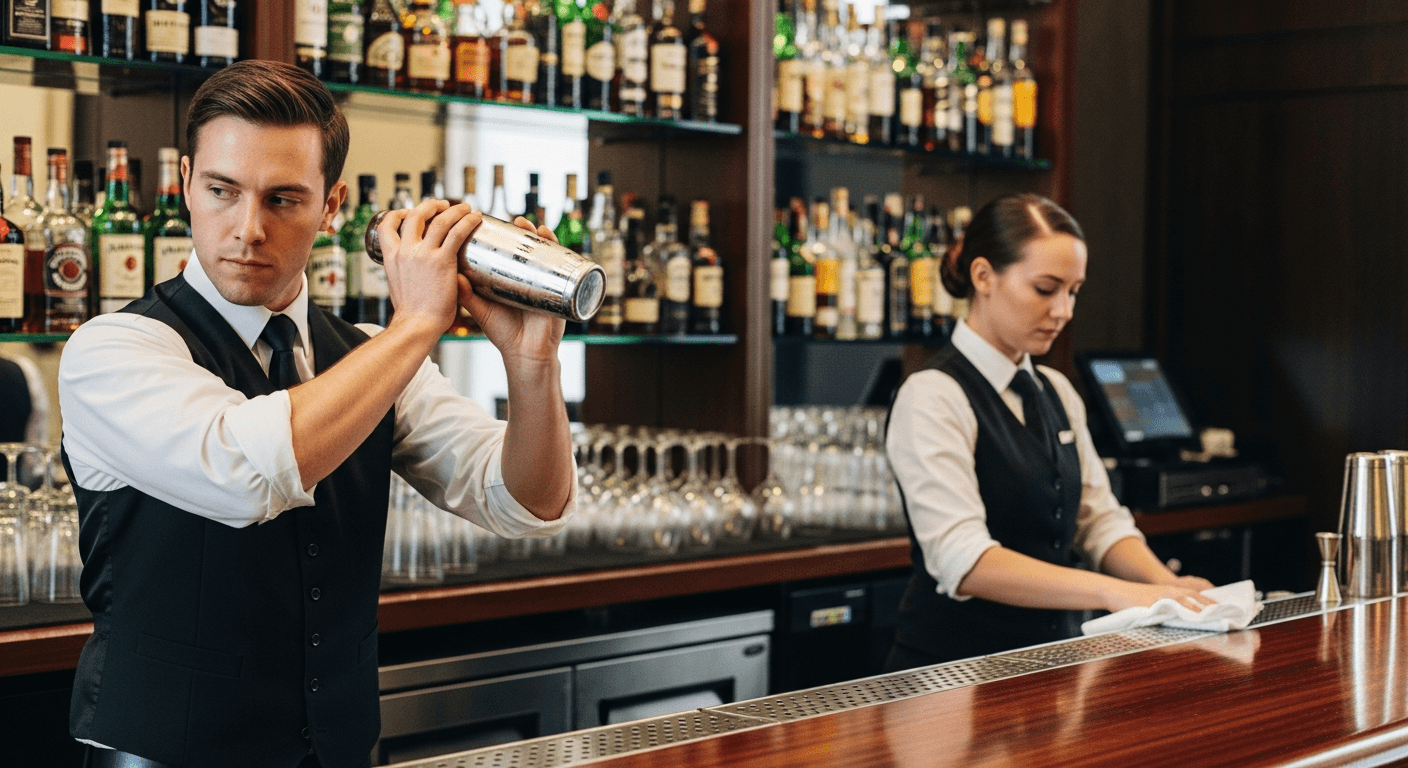
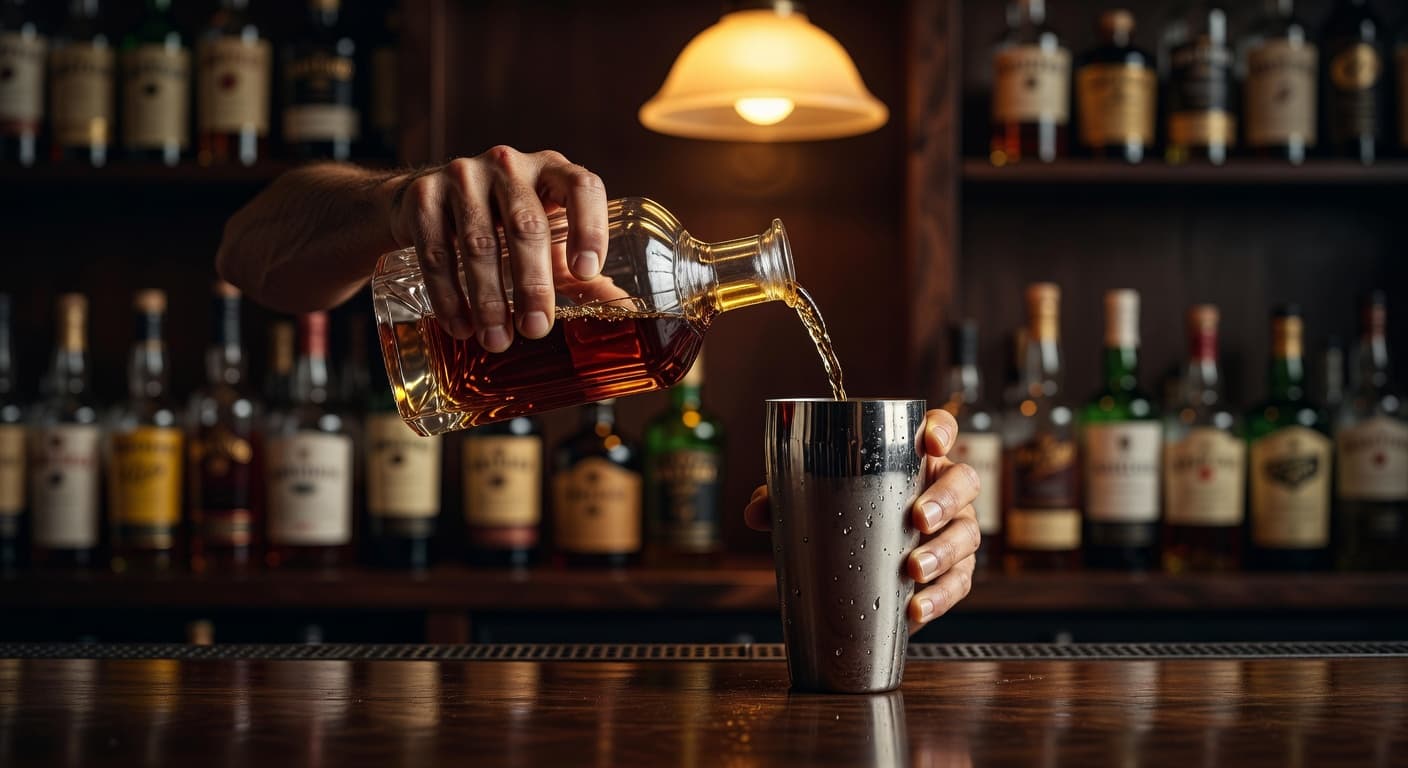
In Texas, the useful review starts with how alcohol moves through your business day, not with a generic checklist. A neighborhood bar with late closing hours, a restaurant with alcohol as a smaller share of receipts, a wedding venue that requires approved bartenders, and a retailer selling sealed bottles all present different liability patterns. Your policy review should focus on where service happens, who is allowed to serve, how IDs are checked, whether security is present, and how incidents are documented before a claim ever develops.
For many buyers, the practical question is not whether a policy exists, but whether the form and endorsements match contracts and operations. If you cater off-site, ask how temporary locations, additional insured requests, and certificates are handled before the event date. If you host private parties, review whether outside promoters, third-party bartenders, or special events change the underwriting picture. If your business mixes food, entertainment, and alcohol sales, make sure the application describes that balance accurately. Underwriters often price and accept the risk based on the service model you disclose.
You should also review how defense costs are treated, how assault and battery is addressed if that exposure matters to your operation, and whether exclusions could affect claims tied to security vendors, entertainers, or after-hours incidents. In Texas, that operational detail is what helps you avoid buying a policy that satisfies a paperwork request but leaves important claim scenarios for your business to sort out later.

Bodily Injury Liability
Can help cover injuries an intoxicated patron causes to others after your business served or sold them alcohol.

Property Damage Liability
May pay for property damage caused by an intoxicated customer your establishment served, such as a car crash after leaving.

Assault & Battery
Can help cover claims arising from fights or physical altercations involving intoxicated patrons at your bar or restaurant.

Defense Costs
May pay for attorneys, court fees, and related legal expenses when your business is sued over an alcohol-related incident.

Host Liquor Liability
Can help cover alcohol-related claims from events where you host or serve drinks without selling them, like company parties.
Liquor Liability Insurance Requirements in Texas
- Texas law treats alcohol service under dram shop principles, which means a business that serves alcohol may be held liable for damages caused by an intoxicated patron.
- That legal backdrop is why landlords, venues, and distributors often require proof before contracts are signed.
- The Texas Alcoholic Beverage Commission also regulates who may sell and serve alcohol, and your TABC permit type can influence how underwriters classify your operation.
- If you hold a mixed beverage permit, for example, the underwriting questions may differ from those for a retailer holding a package store permit.
- Certificate handling matters here because business partners may want proof that matches the legal entity and contract wording before service begins.
How Much Does Liquor Liability Insurance Cost in Texas?
Average Cost in Texas
$50 - $240
per month
Businesses in Texas typically see liquor liability insurance premiums of $50 - $240 per month, which tends to run close to the national range of $50 - $240 per month.
- Share of sales that comes from alcohol
- Type of venue and how late you serve
- Server training and service procedures
- State dram shop law
- Liquor liability limits selected
- Prior over-service or assault claims
Contact CPK Insurance for a personalized quote.
For Texas buyers, pricing usually moves with exposure details that an underwriter can verify. Many businesses see premiums from $50 to $240 per month, depending on alcohol receipts, hours of sale, prior claims, location, entertainment, security controls, and the limits you request. That means a small restaurant with limited bar service may sit near the low end, while a late-night venue with live music and private events may fall higher. To land at the lower end of that range, bring clean operating records, documented staff training, and precise alcohol receipt figures to the quote process instead of guessing. The range is only a starting frame, not a promise.
A restaurant where alcohol is secondary to food sales may be viewed differently from a bar, nightclub, tasting room, or event-driven venue. The same is true for businesses with live music, dance floors, bottle service, or frequent private events. If you sell packaged alcohol for off-premises use, the underwriting questions may differ from a business that serves drinks for immediate consumption. Carriers also look closely at whether you use trained employees, written ID procedures, incident logs, and door staff during higher traffic periods.
Your quote can also change if your lease requires specific limits, if a distributor or venue contract asks for additional insured status, or if you need certificates issued quickly for recurring events. Same limits, same business description, same event exposure, and the same loss history. That lets you compare real differences in terms, exclusions, and service requirements instead of chasing a low number that may not fit how your Texas operation actually serves alcohol.
Prices shown are general estimates, not guaranteed rates or quotes. Your actual premium will depend on the insurer, coverage selected, business details, location, claims history, and other underwriting factors. Learn about our pricing methodology.
Request a Quote Comparison
Enter your ZIP code to compare liquor liability insurance rates from top carriers.
Business insurance starting at $25/mo
Who Needs Liquor Liability Insurance?
In Texas, this coverage usually becomes a live buying issue as soon as alcohol sales or service are tied to revenue, contracts, or access to a location. Bars, taverns, restaurants, breweries, wineries, tasting rooms, music venues, banquet halls, and caterers often need to review it before opening, renewing a lease, or taking on larger events. The same goes for mobile bar services and event operators that pour at weddings, festivals, and corporate functions, especially when the venue requires proof before load-in.
Retail businesses can also need a closer look if they sell beer, wine, or spirits for customers to take away. Even if your operation feels lower risk than a late-night bar, the underwriting still turns on alcohol sales, service practices, staffing, and claims history. A family restaurant with a modest bar program should not assume it is rated the same way as a full-service cocktail lounge. A venue that allows outside bartending vendors should not assume the vendor's policy automatically solves the venue's own exposure.
This is also important for businesses in transition. If you are adding alcohol service to an existing restaurant, extending hours, starting private events, or moving into a new leased space, your old insurance setup may no longer match the risk. In Texas, buyers usually benefit from reviewing contracts first, then matching the policy to the actual service model. That is the point where you can decide whether your current limits, endorsements, and certificate needs are enough before a landlord, client, or event organizer asks for proof on a deadline.
Liquor Liability Insurance by City in Texas
Liquor Liability Insurance rates and coverage options can vary across Texas. Select your city below for localized information:
How to Buy Liquor Liability Insurance
Start your Texas purchase process with the documents other parties will ask to see. Pull your lease, event agreements, distributor requirements, and any lender or venue insurance language into one file before you request quotes. That lets you check named insured details, required limits, additional insured wording, and certificate deadlines at the same time, instead of fixing errors after binding.
Next, prepare a clear operating summary for underwriting. Include what type of alcohol you sell or serve, whether consumption is on-premises or off-premises, your hours, entertainment schedule, security procedures, ID checking process, staff training, and whether you host private events or cater off-site. If your business changes by season or by day of week, say that up front. A quote is more useful when the underwriter sees the same operation your landlord, venue partner, or client sees.
Then compare quotes on equal terms. Review exclusions carefully, especially if your operation involves promoters, dance floors, security contractors, or temporary event locations. Confirm how certificates are issued and how quickly additional insured requests can be turned around, because that administrative piece often matters in Texas event and lease situations. If you are unsure whether your current setup still fits, ask for a side-by-side review before renewal or before signing a new contract. That is usually the fastest way to spot a gap while you still have time to correct it. Request a quote through CPK Insurance to compare your options with participating licensed providers.
How to Save on Liquor Liability Insurance
The safest way to lower your Texas premium is to make the account easier for an underwriter to understand and defend. Start with a complete application. If your alcohol receipts, event activity, or service hours are vague, the quote can come back higher or with tighter terms. Clear details about food versus alcohol sales, staff training, ID procedures, security presence, and incident reporting often lead to cleaner underwriting decisions.
You can also save by matching the policy to the operation you really run. If your business is primarily a restaurant with limited bar activity, make sure the submission does not read like a late-night entertainment venue. If you only cater a handful of off-site events, describe that schedule accurately instead of leaving the underwriter to assume frequent mobile service. The more precise the exposure description, the easier it is to compare options without paying for assumptions that do not fit.
If you use security during busy periods, keep that process documented. If private events are common, separate your event rules from your daily service rules so the carrier can see how risk is managed in each setting. Finally, shop before the deadline. Last-minute quoting can limit your options and leave less time to correct classifications, update contracts, or negotiate terms. In Texas, a renewal review several weeks before your current policy ends gives you room to compare forms and tighten the application.
Our Recommendation for Texas
For Texas buyers, the most useful move is to treat liquor liability as a contract and operations issue at the same time. Do not review the policy in isolation. Put your lease, event agreements, and certificate requirements next to the application and make sure all three describe the same business. If one document says restaurant, another says bar, and your actual operation is a mixed venue with private events, that mismatch can create delays or harder underwriting questions.
Review the named insured carefully, especially if you operate through an LLC that differs from the trade name on signage. Ask how additional insured requests are handled for landlords, venues, and event partners before you bind. If you cater, pour at temporary locations, or use third-party bartenders, make those facts part of the quote request, not an afterthought. Texas buyers should also check the regulator once during the process. The Texas Department of Insurance maintains a public license lookup tool where you can confirm that any carrier or provider you are considering is properly licensed, and its complaint database lets you see whether a company has a pattern of unresolved disputes. Compare exclusions, confirm certificate turnaround, and make sure the quote reflects your actual operations.
FAQ
Frequently Asked Questions
Landlords, event venues, distributors, and some lenders often ask for proof before keys are released, contracts are finalized, or funding closes. You should confirm that the certificate matches your legal entity, location, and required limits before you bind.
Venues often require separate proof from caterers or mobile bar operators because each party can have its own alcohol-related exposure. Review the venue contract early and confirm whether additional insured wording or event-specific certificates are required.
Underwriters usually need a clear description of alcohol sales, service hours, event activity, staff training, ID procedures, security practices, and prior claims. A complete submission helps you compare quotes on real operating facts instead of broad assumptions.
Businesses are usually underwritten according to how alcohol is sold and served, not just whether alcohol is present. A restaurant with limited bar receipts may be viewed differently from a nightclub with entertainment, later hours, and heavier alcohol-driven traffic.
Ask each carrier to quote the same limits and business description, then review exclusions tied to events, security, promoters, or temporary locations. That side-by-side comparison is often more useful than focusing only on the premium.
You can use the Texas Department of Insurance for licensing checks, complaint resources, and general insurance guidance. That gives you a neutral place to verify basic insurance information before you choose a policy and request final certificates.
Certificate requests often slow down when the named insured on the policy does not match the lease, the event date is missing, or additional insured wording is unclear. Gather those details before binding so proof can be issued without last-minute corrections.
U.S. businesses that sell, serve, or distribute alcohol should review liquor liability insurance. That usually includes bars, restaurants, breweries, wineries, liquor stores, caterers, hotels, and event venues, especially when alcohol service is part of normal operations rather than an occasional event.
Sources
- 1.Texas Department of Insurance(The Texas Department of Insurance is the state's insurance regulator.)
Updated July 16, 2026