Updated July 16, 2026

Key Takeaways
- List every towing and transport service you perform before requesting quotes, so loading, unloading, winching, and recovery exposures are reviewed correctly.
- Compare the on-hook limit, deductible, valuation method, and exclusions side by side instead of choosing a policy on premium alone.
- Ask in writing whether your policy addresses the specific vehicles you tow most often, especially specialty, modified, low-clearance, or higher-value units.
- Use pre-tow photos, condition notes, and signed release procedures on every job to reduce disputes and support claims handling.
- Review on-hook coverage together with auto liability and any garagekeepers coverage before renewal to catch gaps between transport and storage.
On-Hook Towing Insurance in Texas
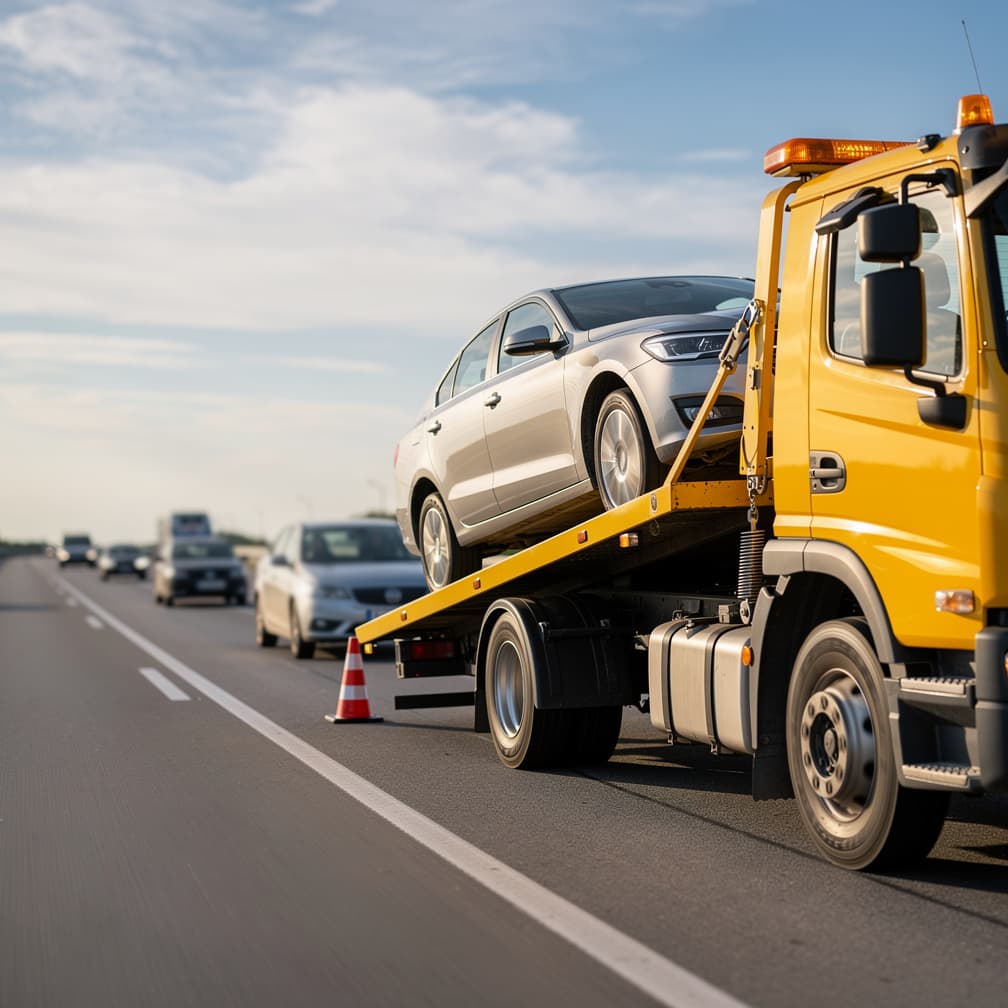
The biggest price driver for on-hook towing insurance in Texas is claim severity. A single disputed damage claim on a late-model pickup can run $18,000 to $40,000 once repair costs, rental reimbursement, and loss-of-use demands pile up. Add difficult recovery conditions and weather that turns a routine tow into a contested file, and the stakes climb quickly. That is why shopping for this coverage works best when you ask carriers to quote your real mix of roadside calls, impounds, recovery work, dealer moves, and storage handoffs rather than a broad generic description.
Storm exposure matters in practical underwriting terms. Hail, flood-prone routes, and wind can change where losses happen, how vehicles are loaded, and how long units sit exposed before delivery or release. Policy forms, complaint handling, and carrier oversight run through a familiar state framework while requirements still depend on your operation and contract obligations. As you compare quotes, focus on the triggers that create expensive disputes: loading and unloading practices, after-hours releases, subcontracted work, and whether your dispatch records match the services shown on your application.
A useful quote review should show where your operation is cleanly covered, where exclusions may apply, and what documentation you need before the next call comes in. Insurers price uncertainty, so giving them a clear picture of your actual work helps you avoid surprises.
What On-Hook Towing Insurance Covers
The useful review here is not the basic definition of on-hook coverage. It is where your actual tow path creates avoidable gaps. A roadside tow on a dry urban route is underwritten differently from a storm-related recovery on a shoulder, a private property impound in a tight apartment lot, or a dealer transfer where a late damage allegation appears after delivery. You want the quote built around those operational differences, because that is where claim disputes usually start.
For many towing businesses, the first issue is how the vehicle is handled before and after the tow movement. If your drivers photograph condition at pickup, note pre-existing damage, record wheel position, and document release signatures, you give the carrier a cleaner file if a customer later alleges new damage. If your operation also performs recovery or winching, ask whether those activities are contemplated the way you actually perform them, especially when the job begins in mud, standing water, or storm debris and then turns into a standard tow.
Weather exposure should also shape the coverage conversation. Hail, wind, flood-prone streets, and severe storms can complicate loading locations, increase the chance of secondary damage, and delay delivery. If you move vehicles between police-directed scenes, storage lots, body shops, auctions, and dealerships, ask for wording and limits that match those handoffs so your paperwork supports the same story your policy is priced on.
Collision on Hook
Covers damage to towed vehicles from collisions during transport.
Comprehensive on Hook
Covers theft, fire, and weather damage to vehicles being towed.
Loading & Unloading
Covers damage during the process of loading and unloading vehicles.
Winching Coverage
Covers damage to vehicles during winching and recovery operations.

Multiple Vehicle
Covers all vehicles on multi-car carriers and rollback flatbeds.
On-Hook Towing Insurance Requirements in Texas
- Weather can change a routine tow into a more complex claim situation, so review how your documentation holds up after hail, wind, flood exposure, or storm debris.
- If your operation mixes apartment impounds, highway calls, and dealer transfers, ask for a quote structure that reflects those separate exposures rather than averaging them together.
- Dense metro traffic, long suburban routes, and after-hours storage handoffs can all affect how a damage allegation develops, so your policy review should follow the full chain of custody.
- Recovery work that begins in unstable ground or standing water should be discussed before binding, because the job may not unfold like a standard roadside tow.
How Much Does On-Hook Towing Insurance Cost in Texas?
Cost is usually driven by how expensive a claim could become once a customer vehicle is attached, lifted, loaded, or carried through real operating conditions. A quote for a business that mainly handles routine local tows can look very different from one for an operator taking night calls, storm-related recoveries, apartment impounds, and dealer transport in the same service area. That is why a useful pricing conversation starts with exposure, not with a generic towing label.
Underwriters will usually look closely at the kinds of vehicles you move, where you pick them up, and how often your drivers work in tight lots, on busy shoulders, or in bad weather. Weather-related hazards can raise the chance of disputed damage because a vehicle may be recovered from water, debris, hail conditions, or unstable ground before it ever reaches the destination. If your service mix changes seasonally, say so up front. A cleaner application often produces a more reliable quote than a short application that leaves the carrier guessing.
Your cost can also move based on limits, deductibles, driver experience, loss history, service radius, and whether you subcontract overflow work. If you store vehicles, perform impounds, or hand off to storage yards after hours, explain that workflow clearly so the carrier can separate on-hook exposure from other parts of your program. The goal is not just a lower premium. The goal is a quote that still makes sense when a customer challenges damage timing, weather conditions, or chain of custody after a difficult tow.
Request a Quote Comparison
Enter your ZIP code to compare on-hook towing insurance rates from top carriers.
Business insurance starting at $25/mo
Who Needs On-Hook Towing Insurance?
This coverage matters most for towing businesses whose daily work creates a real chance that a customer vehicle could be damaged during the tow process and then become the center of a liability dispute. That includes operators handling standard roadside calls, but the stronger buying signal is operational complexity. If your drivers work across highways, apartment complexes, private lots, flood-affected streets, dealer routes, body shop transfers, or police-directed scenes, you should review whether your setup matches those exposures.
You may need a closer look if your company mixes several service types in the same week. A business that performs impounds at night, dealer moves during the day, and storm-related recoveries after severe weather presents a different risk profile from a company focused on scheduled transport. The more varied the work, the more important it is that your application, dispatch records, and policy language describe the same operation.
This is also a state where weather can quickly change the character of a job. A routine tow can become a recovery from standing water, debris, or a hazardous shoulder after a storm. If that kind of escalation is part of your real workload, your insurance review should address it directly instead of assuming every call looks the same.
Your practical need for this coverage usually comes from customer expectations, contract terms, and the financial risk of handling other people's vehicles. If a single disputed damage claim would strain cash flow, delay releases, or disrupt vendor relationships, it is time to review your operation.
On-Hook Towing Insurance by City in Texas
On-Hook Towing Insurance rates and coverage options can vary across Texas. Select your city below for localized information:
How to Buy On-Hook Towing Insurance
Buying this coverage well means translating your operation into underwriting language before you ask for quotes. Start by separating your work into clear categories: routine roadside towing, accident response, recovery, impounds, dealer or auction moves, storage lot transfers, and any after-hours release activity. Then match each category to the equipment you use, the drivers who handle it, and the places where losses are most likely to happen. That gives the underwriter a usable picture instead of a vague towing description.
Next, gather the records that support your story. Pull unit schedules, driver lists, loss runs, sample dispatch tickets, photo procedures, release forms, and any contracts that require specific insurance terms. This step matters because weather and mixed-use operations can make a claim file messy fast. If your paperwork already shows pickup condition, service type, and handoff timing, you are in a better position to buy a policy that fits and to defend a claim later.
Ask each quote source the same practical questions. How is recovery work treated if a call begins in storm debris or standing water? Are loading and unloading practices contemplated the way your drivers actually work? What documentation does the carrier expect after a disputed damage claim? How do deductibles and limits change the quote for your most expensive likely loss?
Before binding, read the proposal against your dispatch reality, not against your ideal operation. If your business takes emergency calls, crosses dense metro traffic, or handles difficult lot conditions, make sure those facts are disclosed. A quote is only useful if it still fits on your worst ordinary day, not just on your easiest one. Request a quote through CPK Insurance to compare your options with participating licensed providers.
How to Save on On-Hook Towing Insurance
The most reliable way to control cost is to reduce claim ambiguity. Insurers price uncertainty, especially when a customer vehicle moves through bad weather, low visibility, crowded lots, or multiple handoffs before release. If you want better pricing over time, make the file easier to underwrite and easier to defend. That starts with consistent intake photos, timestamped dispatch records, driver checklists, and signed condition acknowledgments whenever the situation allows.
You can also save by tightening the parts of the operation that create avoidable severity. Review which jobs truly require specialized recovery versus standard towing, and route them to the right equipment and driver. If one unit is used for dealer transfers and another handles impounds and night calls, keep those workflows distinct in your records. Clear separation helps the carrier understand your exposure instead of assuming every truck does every kind of work.
Weather planning is part of savings, not just safety. Written procedures for hail, flood-prone streets, storm debris, and delayed releases can reduce preventable damage and improve claim outcomes. If drivers know when to pause, escalate, document, or request a different unit, you lower the chance that a difficult tow turns into an expensive dispute.
Finally, review deductibles and limits with your likely loss in mind, not just the premium. A lower premium can cost more if the deductible is hard to absorb after a serious claim. Ask for quote options that show the tradeoff clearly, then choose the structure your cash flow can actually support through a rough storm season.
Our Recommendation for Texas
For towing operators, the smartest buying move is to build your quote around the jobs that create the hardest-to-defend damage allegations, not the jobs that look easiest on an application. If your dispatch board mixes roadside towing, impounds, recovery, and dealer work, say that plainly and show how each service is documented. A carrier can price a complex operation more accurately when your records are organized by service type, unit, and driver.
Weather deserves special attention. Review how your policy and claim procedures line up with hail, flood-prone routes, wind events, and storm debris, because those conditions often change both the tow method and the customer's view of when damage occurred. Your intake photos, dispatch timestamps, and release paperwork should be strong enough to reconstruct the job without relying on memory.
You should also compare quotes by claim handling expectations, not just premium. Ask what evidence the carrier wants after a disputed tow, how quickly losses should be reported, and whether your current forms support that process. Before you bind, confirm the quote still holds up after a long stretch of mixed service types and difficult conditions.
FAQ
Frequently Asked Questions
Texas operators should shop with a service-by-service breakdown, because mixed work like impounds, recovery, and dealer moves can change claim severity. Compare quotes carefully and disclose how your dispatch mix really works.
Texas weather can affect quotes because hail, flooding, wind, and storm debris can make a tow harder to document and defend after a loss. If weather regularly changes your tow conditions, tell the underwriter before binding so the quote reflects real exposure.
Texas tow companies should show dispatch records, driver lists, unit details, loss history, photo procedures, and sample release forms. That helps the insurer price your actual operation instead of a simplified towing description that may not match your daily work.
Texas applications should list impounds and dealer moves if those services are part of your operation, because they create different handling patterns and damage allegations. A cleaner application usually leads to a more dependable quote and fewer surprises after a claim.
The Texas Department of Insurance handles complaints and oversees carriers, forms, and complaint processes. If you are comparing policies, that matters because you may have a state regulator to turn to if a dispute with your carrier is not resolved.
Texas towing businesses need detailed photos and release paperwork because weather, night work, and multiple handoffs can blur when damage allegedly happened. Good documentation gives you a stronger record if a customer disputes condition after delivery or release.
Texas companies should not assume one setup fits both without review, because recovery work can involve different conditions, equipment use, and claim disputes than routine towing. Ask the insurer to evaluate how those jobs are performed in your actual operation.
On-hook towing insurance may cover damage to a customer vehicle while it is being loaded, attached, carried, winched, or unloaded by your tow truck, depending on the policy terms. Buyers should review collision, fire, theft, weather, and loading-related damage carefully.
Sources
- 1.Texas Department of Insurance(The Texas Department of Insurance oversees insurance regulation in the state.)
Updated July 16, 2026