








































Updated July 16, 2026

Builders Risk Insurance in San Antonio
San Antonio construction jobs move through tight networks where owners, lenders, and subcontractors often know each other by reputation. That means proof expectations get practical fast. Before funds are released or work expands, you need your named insured structure, soft cost needs, theft protection, and completion date to match the contract. With a median home value of $219,700, a typical residential build here costs less than half what the same square footage might run in Travis County, so your limits and deductibles should fit the actual completed value rather than terms copied from a larger metro project. When you sit down for quote review, bring your construction budget, timeline, site address, and draft contract language as a set. From there, confirm that temporary structures, stored materials, and change orders are being handled the way your job will actually run.
Builders Risk Insurance Risk Factors in San Antonio
San Antonio's top risk factors include Flooding, Hurricane damage, Coastal storm surge, and Wind damage.
Texas has a very high climate risk rating. Top hazards: Hurricane (Very High), Tornado (Very High), Hailstorm (Very High), Flooding (Very High). The state's expected annual loss from natural hazards is $12.4B, which influences builders risk insurance premiums and may affect coverage availability in high-risk areas.
What Builders Risk Insurance Covers
For a Texas project, the useful review is less about broad definitions and more about where loss can happen between groundbreaking and handoff. Start with the job site itself. If materials are delivered early and staged outdoors, if equipment and supplies move between temporary storage and the structure, or if a renovation leaves part of an existing building exposed during a phase change, your policy review should match that sequence of work.
Texas weather adds pressure that other states may not face. The state deals with recurring severe weather, so you should ask how the form treats wind-driven damage, water entering during construction, and loss involving materials that have not yet been installed. A claim can turn on whether property was secured as required and whether the damage followed a covered cause of loss under the policy terms.
On many jobs, the right question is not simply what property is included, but which interests are scheduled and how the project is described. Owners, developers, general contractors, and lenders often need the policy to line up with the contract language. If the description is too narrow, if soft cost needs are overlooked, or if temporary works are not addressed where relevant, you can end up with a policy that looks complete until a delay or site loss exposes the gap. Before binding, compare the contract requirements against the quote, the statement of values, and the planned construction timeline.
Coverage Included

Structure Coverage
Covers the building or structure under construction.

Materials on Site
Covers building materials stored at the construction site.

Materials in Transit
Covers materials being transported to the job site.
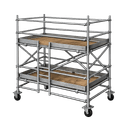
Temporary Structures
Covers scaffolding, fencing, and temporary buildings.

Soft Costs
Covers additional expenses from construction delays due to covered losses.

Equipment Coverage
Covers permanently installed fixtures and equipment.
Industries & Insurance Needs in San Antonio
Bexar County's business mix changes who may ask to see builders risk terms before a project moves. The county has 39,091 business establishments, and leading sectors by establishment share are health care and social assistance at 13.8%, retail trade at 12.9%, and professional, scientific, and technical services at 11.6%, so a lot of local build activity touches tenant improvements, medical office updates, storefront work, and professional office renovations rather than only stand-alone new construction. That affects your insurance review because occupied buildings, phased work, and landlord or lender requirements can matter as much as the structure itself. If your project involves a clinic, shop, or office suite, ask early how the policy handles partial occupancy, existing structure exposure, and materials that arrive before installation. On commercial jobs here, the cleanest path is usually to match the policy terms to the lease, loan, and construction contract before demolition or interior build-out starts.
What Makes San Antonio Different
Local residential and light commercial jobs move through repeat lenders, local owners, and familiar subcontractor networks. Underwriters need to see who is responsible for the work, what value is being built, how long the job should last, and whether the site will sit vacant between phases. That matters most on remodels and additions, where the insurance problem is often the handoff between existing property coverage and course-of-construction terms. Treat the quote request like part of your preconstruction package by pulling together the scope, budget, draw schedule, security details, and any lender insurance requirements into one packet. Then ask where exclusions or sublimits could create a gap during delays, stored material transit, or final punch work. When your paperwork answers those questions directly, you tend to reach a usable quote faster.
Our Recommendation for San Antonio
Start with the contract set, not the application alone. Work through who must be named, whether the owner should sit alongside the general contractor, and what lender wording has to be satisfied before the first draw. For residential work, compare the requested limit against the completed value and the actual rebuild budget so you do not insure a modest project like a custom luxury build. San Antonio's median household income is $62,917, which puts most owner-driven projects in a range where a deductible set too high could threaten the construction budget if a loss hits mid-project. For tenant improvement or renovation work, ask specifically how the policy treats existing structures, partial occupancy, and materials stored away from the site. If the job will phase over time, confirm the completion trigger and extension options early. Send the address, scope, budget, timeline, and contract requirements together so the underwriter has a complete picture. Then review the quote for gaps before permits are pulled or materials are ordered.
Get Builders Risk Insurance in San Antonio
Enter your ZIP code to compare builders risk insurance rates from carriers in San Antonio, TX.
Business insurance starting at $25/mo
FAQ
Frequently Asked Questions
San Antonio projects usually quote more smoothly when you provide the site address, construction budget, timeline, contract parties, and lender requirements together. Local residential jobs often track to a median home value of $219,700, so a limit set well above that figure may signal overinsurance to an underwriter and slow your quote down.
Bexar County has 39,091 business establishments, and a large share of those operate in leased space where a landlord or lender requires proof before construction can begin. That makes named insured wording, existing structure questions, and proof of coverage important before demolition, deliveries, or tenant improvement work starts.
San Antonio remodels often need closer review because the insurance issue is not just the new work, but how the policy treats the existing structure, vacancy between phases, and materials waiting for installation. Ask for those terms in writing before work starts.
Bexar County's leading sectors include health care and social assistance at 13.8%, retail trade at 12.9%, and professional, scientific, and technical services at 11.6%, which means a sizable portion of local construction involves tenant improvement and renovation work rather than ground-up builds. Review partial occupancy, phased construction, and landlord or lender insurance requirements early so your policy matches how the job will actually run.
San Antonio owner-builders should set the limit from the completed value and construction budget, not by copying another project's numbers. With median household income at $62,917, many builds are budget managed closely, so a deductible that looks small on paper can still strain cash flow if a partial loss occurs before the next draw. Talk through deductible and soft cost options with your provider before you bind.
Texas renovation projects often warrant a builders risk review because the line between existing property and new work can become unclear during a loss. If your contract, lender, or owner places that responsibility on you, settle who is insured and how the policy describes the new work before demolition or material delivery begins.
The owner often buys it on ground-up work, but some agreements place that duty on the general contractor or developer. Review the insurance clause first, then match the named insureds and evidence requirements to that language.
Texas builders risk policies may address off-site or temporary storage differently depending on the specific policy form and any attached endorsements that modify storage limits. If your project depends on staged deliveries or stored materials, disclose that in the submission so the quote reflects how property actually moves before installation.
Sources
- 1.U.S. Census Bureau, ACS 5-Year Estimates, table B25077(With a median home value of $219,700, many residential projects are not luxury builds, so you need limits and deductibles that fit the actual completed value instead of copying terms from a larger metro project.)
- 2.U.S. Census Bureau, County Business Patterns, Bexar County(Bexar County has 39,091 business establishments, and leading sectors by establishment share are health care and social assistance at 13.8%, retail trade at 12.9%, and professional, scientific, and technical services at 11.6%, so a lot of local build activity touches tenant improvements, medical office updates, storefront work, and professional office renovations rather than only stand-alone new construction.)
- 3.U.S. Census Bureau, ACS 5-Year Estimates, table B19013(San Antonio's median household income is $62,917, so many owner-driven projects are budget sensitive, and that makes deductible choice, soft cost review, and change-order handling worth discussing before binding.)
Updated July 16, 2026





