Updated July 16, 2026

Car Insurance in Salt Lake City
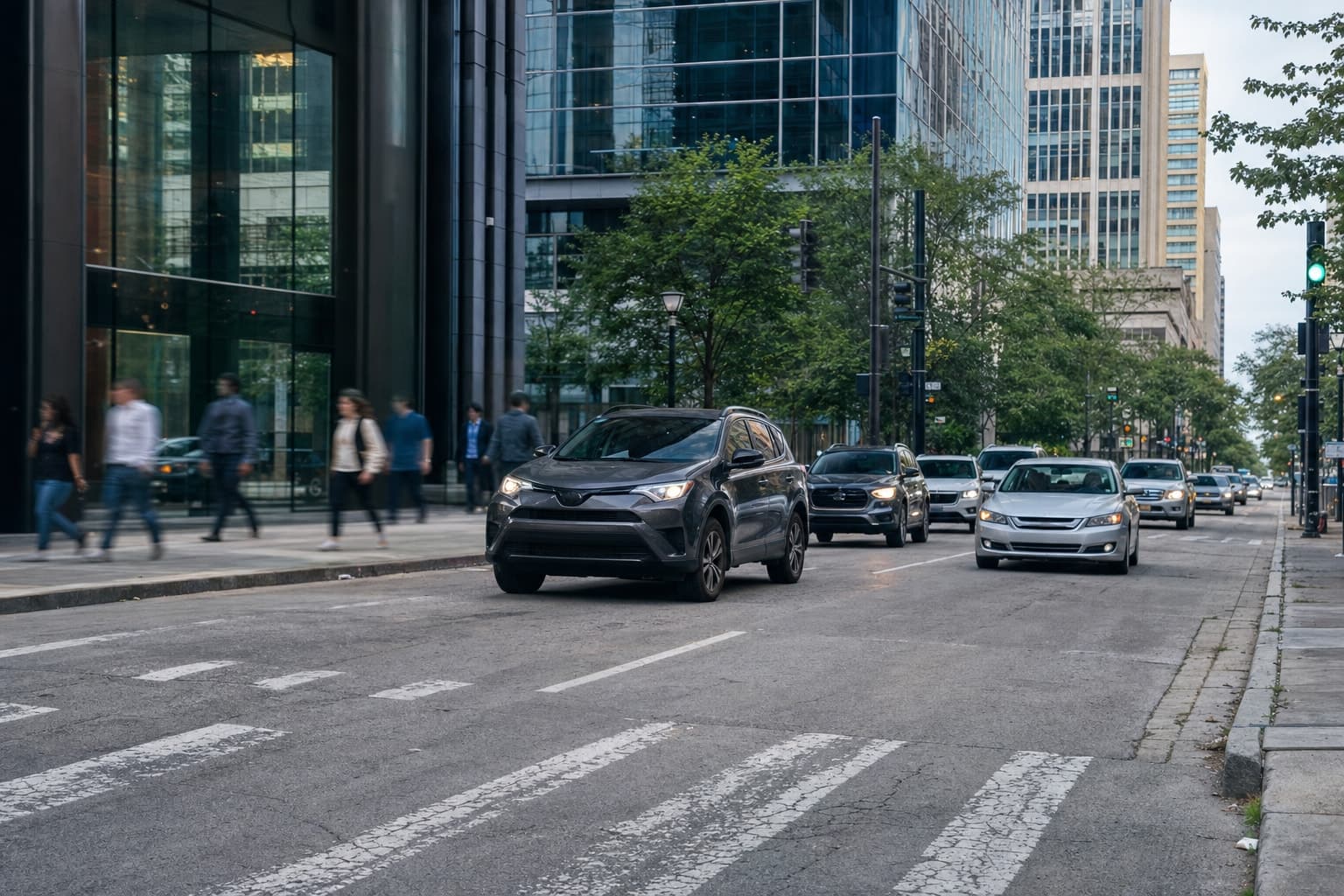
Around Downtown, Sugar House, the Avenues, and Central City, your rate turns on day-to-day vehicle use in a tighter urban pattern rather than broad Utah rules. A driver who garages a car at night and commutes a few miles presents a different risk profile than someone who street parks, drives across the valley every day, or uses one vehicle for errands, school drop offs, and weekend canyon access. Many households are trying to keep monthly costs workable without stripping out deductibles, rental reimbursement, or uninsured motorist limits they may actually use after a claim. A local quote review can focus on mileage, parking situation, household drivers, and whether your current policy still fits how the car is used now, not how it was used a year ago.
Utah has a moderate climate risk rating. Top hazards: Wildfire (High), Earthquake (High), Drought (Moderate), Winter Storm (Moderate). The state's expected annual loss from natural hazards is $320M, which influences car insurance premiums and may affect coverage availability in high-risk areas.
What Car Insurance Covers
Your quote review should begin with the state's minimum liability requirement, then move quickly to whether those limits are realistic for the vehicles, medical bills, and property damage costs involved in a serious loss. If you own savings, have regular passengers, or drive in heavier traffic conditions, it is worth asking for higher liability options side by side.
Beyond that baseline, the practical coverage decision comes down to the vehicle and the way you use it. If your vehicle is financed or leased, your lender commonly expects collision and comprehensive to stay in force until the loan or lease is satisfied. If you depend on one vehicle for commuting, school drop-offs, or frequent regional driving, you should also review how a claim may affect your ability to keep moving while repairs are underway.
The most useful quote comparison separates legal minimums from financial exposure. Ask to see liability limits above the minimum, then review physical damage deductibles, rental reimbursement, roadside assistance, and any optional protections you are considering on the same worksheet. That lets you decide whether you are buying a policy that only checks the legal box or one designed to absorb a larger share of a real-world loss.
Coverage Included

Liability
Can help pay for injuries and property damage you cause to others in an accident, coverage most states require drivers to carry.

Collision
Can help pay to repair or replace your car after a crash with another vehicle or object, regardless of fault.

Comprehensive
Typically covers damage to your car from events other than collisions, such as theft, hail, fire, flooding, or hitting an animal.

Uninsured Motorist
May pay for your injuries and, in some states, car damage when an at-fault driver has no insurance or too little.

Medical Payments
Can help cover medical bills for you and your passengers after an accident, no matter who was at fault.
Rental Reimbursement
May pay for a rental car while your vehicle is in the shop for repairs after a covered claim.
Car Insurance Cost in Salt Lake City
Average Cost in Utah
$85 - $200
per month
In Utah, car insurance premiums typically run $85 - $200 per month, which tends to run 16% below the national range of $110 - $230 per month.
- Driving record and age
- Vehicle make, model, and year
- Location and commute distance
- Credit-based insurance score
- Coverage limits and deductibles
Contact CPK Insurance for a personalized quote.
Prices shown are general estimates, not guaranteed rates or quotes. Your actual premium will depend on the insurer, coverage selected, personal details, location, claims history, and other underwriting factors. Learn about our pricing methodology.
Cost for a Utah auto policy depends less on a single statewide average and more on how underwriters read your risk profile. Many drivers see premiums from $85 to $200 per month, which means the difference between the low and high end can add up to nearly $1,400 a year. A clean driving record and a modest vehicle garaged in a lower-traffic area tend to sit near the bottom of that range. A newer financed car, a long commute, or a recent at-fault claim can push the number toward the top.
Households with multiple drivers can also see a different result than a single-driver policy, especially if one vehicle is used for longer commuting patterns or regular passenger transport. The same is true if you choose higher liability limits, lower deductibles, or add endorsements that make a claim easier to manage.
To get a quote you can actually use, keep the comparison consistent. Once that baseline is set, test a few deliberate changes, such as raising deductibles or increasing liability limits, so you can see the tradeoff clearly. If a quote looks unusually low, verify what was removed before you decide it is the better buy.
What Affects Car Insurance Rates in Salt Lake City
Salt Lake City buyers often need a sharper tradeoff discussion around deductible, rental car coverage, and physical damage limits because local household budgets are real, not theoretical. Salt Lake City median household income is $74,925, so the practical question is how much loss you could absorb out of pocket if your car is damaged, stolen, or tied up in repairs. If paying a larger unexpected bill would strain your budget, it may make sense to review a lower comprehensive or collision deductible instead of only chasing a lower monthly premium. If you rely on one vehicle for work, school, or family logistics, rental reimbursement may also deserve a closer look than it gets on a generic quote. This is less about buying more coverage across the board and more about matching your deductible and optional coverages to your actual cash flow. Before renewing, compare at least two deductible options and ask how each one changes the premium and your out of pocket exposure after a claim.
What Makes Salt Lake City Different
How you actually use your vehicle across the city matters. Rating details often come down to ordinary things people forget to update, like where the car is kept, who regularly drives it, how many miles it really sees, and whether it is used mainly for commuting or mixed household errands. A policy built around an old suburb to office routine can miss how the vehicle is actually exposed now. If your car spends long stretches parked near work, outside overnight, or in a shared residential area, you may want to review comprehensive and collision choices with that storage pattern in mind. If another household member has started using the vehicle more often, consider updating the driver list before a claim forces the issue. A clean, current application that reflects how your car is parked, driven, and shared today is what you want.
Our Recommendation for Salt Lake City
You can confirm your garaging address, annual mileage, and primary use first, because those details shape the quote before you even compare deductibles. Check whether your vehicle is parked in a garage, lot, or on the street most nights, and make sure the insurer has the right answer on file. If your household has added a teen driver, a partner who now uses the car for commuting, or a second vehicle that changed who drives what, consider asking for a fresh review rather than assuming the old setup still works. For financed or newer vehicles, you can compare collision and comprehensive deductibles side by side and weigh what you could realistically pay after a loss. For older cars, it may help to ask whether the premium still makes sense relative to the vehicle's value. If you want a cleaner comparison, consider requesting quotes using the same liability limits, the same deductibles, and the same optional endorsements so you can see what is actually changing.
Get Car Insurance in Salt Lake City
Enter your ZIP code to compare car insurance rates from carriers in Salt Lake City, UT.
Car insurance starting at $59/mo
FAQ
Frequently Asked Questions
Local quotes usually turn on mileage, garaging, parking type, household drivers, and whether the car is used mainly for commuting or mixed errands. If any of those changed since your last policy term, consider updating them before you compare prices.
Households can tie the deductible to cash flow, not just premium. The better choice is often the deductible you could realistically pay after a claim without disrupting rent, savings, or other bills.
Salt Lake County has 35,284 business establishments. That many workplaces concentrated in the valley means your car may sit parked for eight or more hours a day in a lot or on a street far from home, which raises the odds of theft, vandalism, or a hit-and-run you are not there to witness. Comprehensive coverage can help cover those losses, so it is worth checking whether your deductible and limits still make sense for where the car actually sits during the workday.
Salt Lake County's leading sectors are professional, scientific, and technical services at 14.8%, construction at 11.6%, and health care and social assistance at 10.5%. A desk worker in a downtown tower likely racks up low mileage but parks in a shared structure daily, while a contractor may drive a truck loaded with tools to a different job site each week, and a home health aide could put 200 miles a day on a sedan visiting clients across the valley. Those differences change what you pay and what coverage gaps to watch for, so your quote should reflect your actual routine rather than a generic commuter profile.
Utah requires at least $30,000/$65,000/$25,000 (raised effective 2025) in auto liability limits. That meets the legal floor, but many drivers still compare higher limits if they want more protection against larger injury or property damage claims.
Utah minimum limits can satisfy state rules, but they may leave a gap if a serious accident creates damages above the legal minimum. If you have savings, wages, or a newer vehicle to protect, ask for higher liability options side by side.
Utah premiums often fall in a broad range from $85 to $200 per month, depending on the vehicle, driver history, garaging location, mileage, deductibles, and selected coverages. The useful comparison is how your own quote changes when those inputs change.
If the car's value is modest, compare the premium for those coverages against what you could afford to pay out of pocket for repairs or replacement.
Sources
- 1.U.S. Census Bureau, ACS 5-Year Estimates, table B19013(Salt Lake City median household income is $74,925.)
- 2.U.S. Census Bureau, County Business Patterns, Salt Lake County(Salt Lake County has 35,284 business establishments.; Salt Lake County's leading sectors are professional, scientific, and technical services 14.8%, construction 11.6%, and health care and social assistance 10.5%.)
Updated July 16, 2026