Updated July 16, 2026

Homeowners Insurance in Salt Lake City
A wind driven storm pushes water under aging roof lines and turns a small leak into damaged drywall, flooring, and a temporary move out while repairs are scheduled. The city's median home value is $495,700, so a rebuild could cost far more than you expect if your dwelling limit has not kept pace with current construction prices. If you own in older blocks near Sugar House, the Avenues, or Liberty Wells, check how your insurer handles older materials, ordinance or law upgrades, and water damage exclusions that can surprise owners after a storm. A quote conversation should go beyond price to examine whether your deductible, personal property assumptions, and backup coverage options fit how you actually live in the home.
Utah has a moderate climate risk rating. Top hazards: Wildfire (High), Earthquake (High), Drought (Moderate), Winter Storm (Moderate). The state's expected annual loss from natural hazards is $320M, which influences homeowners insurance premiums and may affect coverage availability in high-risk areas.
What Homeowners Insurance Covers
Utah homeowners policies generally center on six core protections: the dwelling itself, your personal property, liability, additional living expenses, other structures, and medical payments. The exact wording varies by carrier and endorsements. In Utah, the big coverage distinction is that standard homeowners insurance does not automatically include earthquake coverage, and you need a separate policy or endorsement if you want that protection. This is especially important in a state where earthquake risk is rated high and where seismic activity has caused property damage in recent years. Standard policies also do not cover flood damage, which matters because Utah has had flash flooding and mudslides in declared disasters. For state-specific planning, many buyers in Salt Lake City, Provo, Ogden, St. George, and communities along the Wasatch Front look closely at roof, siding, and attached-structure protection because wind, wildfire, and winter storm losses can affect both the dwelling and other structures.
The Utah Insurance Department regulates the market, but it does not set one fixed coverage package, so you should compare how each insurer handles replacement cost, personal property limits, and loss-of-use terms. If you have a mortgage, lenders usually require enough homeowners coverage to protect their interest, but the policy still needs to be sized to your home's reconstruction cost, not just its market value. This distinction matters because rebuilding a home after a wildfire or winter storm depends on local labor and material costs, not on what the property would sell for. Your policy should reflect what it actually costs to rebuild in your area.
Coverage Included
Dwelling
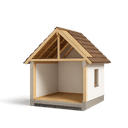
Repairs or rebuilds your home itself, the walls, roof, floors, built-in appliances, and attached structures like a garage, after a covered loss. Set this limit to the full cost of rebuilding, not market value.
Other Structures
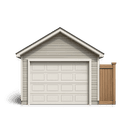
Detached structures on your property, such as a fence, shed, detached garage, or gazebo. Usually set at about 10 percent of your dwelling limit [2].

Personal Property
Your belongings, furniture, clothing, electronics, and appliances, generally written at 50 to 70 percent of your dwelling limit [2]. High-value items like jewelry and art carry special limits.

Additional Living Expenses
Also called loss of use. Pays your added living costs, hotel stays, meals, and a temporary rental, while a covered loss makes your home uninhabitable. Usually set at about 20 percent of your dwelling limit.

Liability
Covers you if someone is injured on your property, or you damage someone else's property, and you are found responsible. The standard $100,000 limit [2] is often raised to $300,000 or $500,000.

Medical Payments
Pays small medical bills, commonly $1,000 to $5,000, if a guest is hurt at your home regardless of fault, without a formal liability claim.
Homeowners Insurance Cost in Salt Lake City
Average Cost in Utah
$75 - $190
per month
In Utah, homeowners insurance premiums typically run $75 - $190 per month, which tends to run 26% below the national range of $110 - $250 per month.
- Home replacement cost, age, and construction type
- Roof age, material, and condition
- ZIP code and local weather risk (wind, hail, wildfire, hurricane)
- Coverage limits and endorsements
- All-peril and percentage wind/hail deductibles
- Claims history and insurance score where allowed
Typical range for many standard homeowners profiles; lower-risk homes fall below it and coastal, wildfire, or older-roof homes can run well above. Final pricing depends on property details, location, underwriting, and selected coverage.
Prices shown are general estimates, not guaranteed rates or quotes. Your actual premium will depend on the insurer, coverage selected, personal details, location, claims history, and other underwriting factors. Learn about our pricing methodology.
Utah's homeowners insurance pricing sits below the national average, but the range still varies widely by home and coverage choices. In 2024, average premiums in Utah ran slightly below the national average, though pricing varies notably by ZIP code. Local pricing is affected by coverage limits, deductibles, claims history, location, endorsements, and the home's rebuild profile. Utah's reconstruction cost index is 98, meaning rebuild costs run close to national norms. In practical terms, your premium will be driven more by your home's specific features and risk factors than by any regional cost advantage. Roof age and material, local crime rates, and credit-based insurance score also influence pricing, so a home in a higher-theft area or one with an older roof can price differently than a newer property with stronger construction features.
The state's active insurer market produces meaningful quote variation from carrier to carrier. Wildfire, winter storm, and flood-related losses can affect how carriers view risk in different parts of the state. If you want a more accurate homeowners insurance quote in Utah, the fastest way is to compare coverage levels for dwelling, personal property, and liability rather than focusing on price alone.
What Affects Homeowners Insurance Rates in Salt Lake City
Salt Lake City’s median household income is $74,925, so the affordability question is usually not whether to carry coverage, but how to balance deductible size against the amount of out of pocket shock your household could handle after a covered loss. A higher deductible can lower premium, but it only works if you can actually absorb that expense while also dealing with temporary housing, contractors, and replaced belongings. That tradeoff gets sharper when local home values are elevated, because even moderate damage can involve expensive materials and longer repair timelines. A practical quote review should compare at least two deductible options, confirm whether loss of use limits are realistic for your area, and check if recent renovations or higher value contents have outgrown the policy. That gives you a clearer view of premium versus retained risk before renewal.
What Makes Salt Lake City Different
That shifts the buying decision away from bare minimum lender compliance and toward limit accuracy, settlement terms, and whether you could carry the cost of temporary housing if the home is not livable. Focus on dwelling coverage, extended replacement cost options if offered, and whether your personal property assumptions still fit the home you have now, not the one you bought years ago. Owners who have remodeled kitchens, finished lower levels, or added detached structures should be especially careful, because those changes can outpace an older policy. If a serious claim happened this season, ask yourself whether your current limits would rebuild the house and pay for a hotel or rental while the work is done.
Our Recommendation for Salt Lake City
Pull your declarations page and confirm the dwelling limit reflects the home as it stands today, including upgrades, detached structures, and any finished basement area. Match your deductible against actual emergency savings rather than the premium difference on the quote. Some households here prefer to retain more risk to control premium, while others want a lower deductible because a major repair would already strain cash flow. Ask about roof settlement terms, water backup options, ordinance or law coverage, and loss of use limits. If you work from home or keep higher value electronics, instruments, or jewelry on site, review sublimits and whether scheduled coverage makes sense. Before renewing, compare your current form against at least one alternative and ask the agent to explain what changed in plain language, especially exclusions and claim settlement details.
Get Homeowners Insurance in Salt Lake City
Enter your ZIP code to compare homeowners insurance rates from carriers in Salt Lake City, UT.
Home insurance starting at $50/mo
FAQ
Frequently Asked Questions
The city's median home value is $495,700, and construction costs tend to rise faster than most people track. That means a dwelling limit set even two or three years ago may already be too low to fund a full rebuild.
Compare deductibles against real cash reserves. The right choice depends on whether you can comfortably absorb the deductible while also handling temporary living costs if you cannot stay in the house.
Claims often turn on details, not just the headline limit. Roof settlement terms, water backup endorsements, loss of use coverage, and ordinance or law provisions determine how the policy responds when you need it most.
Older materials, prior updates, and code related repairs can change claim outcomes. Ask how the policy handles matching materials, depreciation, and upgrade related costs when a storm hits.
In Utah, homeowners insurance may help cover the dwelling, personal property, liability, additional living expenses, other structures, and medical payments, but the exact terms vary by carrier. It is especially important to check whether your policy includes replacement cost for the home and whether you need separate earthquake protection.
Your exact price depends on coverage limits, deductibles, claims history, location, endorsements, and home features such as roof age and material. Because Utah's premium index is 94, meaning average rates run slightly below the national benchmark, many buyers find rates more manageable than in higher-cost states.
Mortgage lenders in Utah usually require homeowners insurance before they fund or close the loan. They generally want enough dwelling coverage to protect the property securing the mortgage, but the exact lender requirement varies by loan and lender.
You do not have a legal requirement to carry it if the home is paid off, but the risk of wildfire, winter storm, theft, and liability still exists in Utah. Many owners keep coverage because a major loss could be expensive to repair or rebuild out of pocket.
Sources
- 1.U.S. Census Bureau, ACS 5-Year Estimates, table B25077(The city’s median home value is $495,700.)
- 2.U.S. Census Bureau, ACS 5-Year Estimates, table B19013(Salt Lake City’s median household income is $74,925.)
Updated July 16, 2026