Updated July 16, 2026

Builders Risk Insurance in West Valley City
A partially framed house or tenant build-out can take a hard financial hit if wind, fire, theft, or water damage interrupts the job before handoff. Reviewing builders risk coverage while the site is still changing week to week, materials are arriving in stages, and more than one party may have money at risk is worth your time. Even a single residential build or major renovation can put a meaningful amount of labor and materials on the line before the project is complete. If you are building for resale, rebuilding after a loss, or improving a property you plan to hold, that value should push you to check the limit, the covered property definition, and whether temporary storage, fencing, and materials in transit need to be scheduled. Before work starts, sort out the contract language, lender expectations, and construction timeline so the policy matches who would actually absorb a covered loss.
Builders Risk Insurance Risk Factors in West Valley City
Local property values are the clearest reason to take limits seriously here. A ground-up home, a major addition, or a high-dollar interior rebuild can accumulate enough installed value that a mid-project loss is not a small cleanup problem. It can become a financing, draw, and completion problem. That is why the local review should focus less on generic form language and more on the mechanics of the job: the **completed value basis**, how change orders affect the limit, whether owner-furnished materials are included, and what happens if materials are stored off site before installation. If the project is a remodel rather than new construction, ask where the line sits between existing structure and work in progress. That distinction matters when a loss damages both. A quote request works better when you bring the budget, schedule, and contract exhibits, because those documents show what property is actually exposed at each phase.
Utah has a moderate climate risk rating. Top hazards: Wildfire (High), Earthquake (High), Drought (Moderate), Winter Storm (Moderate). The state's expected annual loss from natural hazards is $320M, which influences builders risk insurance premiums and may affect coverage availability in high-risk areas.
What Builders Risk Insurance Covers
The useful question is not whether a form exists for the job, but whether the form matches how the project is actually staged. A mountain custom home, a suburban infill addition, and a light commercial shell can all need different attention around stored materials, weather exposure, and who controls the site after hours. You should review whether the policy is written only for the structure in place or whether it also contemplates materials waiting to be installed, items in transit, temporary structures, and certain soft costs if a covered loss pushes the completion date. Soft costs are the additional loan interest, real estate taxes, and overhead you keep paying while the project sits unfinished.
Snow load, wind-driven damage, wildfire exposure, and water entering an unfinished structure can all create disputes if the policy terms, exclusions, and protective conditions are not read against the actual job. If the project sits in a more remote area, ask how the insurer wants materials secured, how vacancy or unattended-site conditions apply, and whether fencing, lighting, or locked storage affect underwriting.
Coverage Included

Structure Coverage
Covers the building or structure under construction.

Materials on Site
Covers building materials stored at the construction site.

Materials in Transit
Covers materials being transported to the job site.
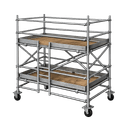
Temporary Structures
Covers scaffolding, fencing, and temporary buildings.

Soft Costs
Covers additional expenses from construction delays due to covered losses.

Equipment Coverage
Covers permanently installed fixtures and equipment.
What Makes West Valley City Different
Property value concentration is the main local difference. In a market where the median household income is $88,604, project budgets tend to run higher, which means a mid-project fire or theft can trigger replacement costs that strain cash reserves before the job is finished. That income level means a single covered loss can wipe out your profit margin on the job. It does not automatically change every premium, but it does change how carefully you should set the insured value and review soft-cost needs. If the project depends on a sale, refinance, or occupancy date, a low limit can create a bigger problem than the deductible after a covered loss. Build the quote around the real completed value, not just the amount already spent, and ask whether delay-related expenses, debris removal, and temporary protection measures belong in the policy. Underinsuring the job to save a little upfront can leave you short at the exact point cash flow is already tight.
Our Recommendation for West Valley City
Start with the construction contract and the draw schedule, then match the policy to those documents instead of treating it as a box to check. In Salt Lake County, construction accounts for 11.6% of roughly 35,000 business establishments, so your project likely shares the local labor pool with dozens of other active jobs competing for the same subcontractors and suppliers. That concentration means a delay at one site can ripple into yours when subcontractors are stretched thin. With that many parties touching the job before completion, confusion over who insures what becomes a real risk. Take time to confirm who is named insured, whether the owner, general contractor, or lender needs to be included, and how responsibility shifts if materials are damaged before installation. If the work is a tenant improvement or commercial build-out, ask whether existing building elements, installed equipment, and temporary works are inside or outside the form being quoted. If the job will change scope, tell the agent early rather than after a loss.
Get Builders Risk Insurance in West Valley City
Enter your ZIP code to compare builders risk insurance rates from carriers in West Valley City, UT.
Business insurance starting at $25/mo
FAQ
Frequently Asked Questions
Projects should usually be quoted from the completed value of the work at risk, not just materials already on site. A low limit can leave a meaningful gap if a covered loss interrupts construction and forces you to replace installed work.
Remodels can justify this coverage when the work in progress, stored materials, or project timeline create a real financial exposure before completion. The key question is who absorbs the loss if damaged work has to be rebuilt mid-project.
With construction making up a notable share of Salt Lake County business establishments, local projects often involve several contract parties. That makes named insureds, additional insured requests, and responsibility for materials worth reviewing before work starts.
Owner-builders usually get a more usable quote by providing the address, construction budget, timeline, lender requirements, and signed contract terms. Those details help define the completed value, project length, and which parties have an insurable interest.
Commercial projects should also ask how the form treats tenant improvements, owner-furnished materials, temporary storage, and existing building elements. Because a loss often affects more than newly installed work, these details can determine whether you are left paying out of pocket for damage to property you assumed was protected.
Utah uses the Utah Insurance Department as the state insurance regulator. That gives you a place to verify licensing, review consumer resources, and confirm you are dealing with a properly regulated insurance transaction before you bind coverage.
Utah home builds often warrant a builders risk review once financing, contracts, and the construction schedule are taking shape. The key issue is who carries the risk for materials, work in progress, and delays before the home is complete.
Utah mountain and rural projects can be underwritten differently because access, weather, and site security may affect both loss prevention and claim handling. You should describe storage, fencing, water controls, and delivery patterns in detail when requesting quotes.
Sources
- 1.U.S. Census Bureau, ACS 5-Year Estimates, table B19013(In a market where the median household income is $88,604, owners, lenders, and investors often have little room for a prolonged construction setback that forces extra carrying costs or a second round of material purchases.)
- 2.U.S. Census Bureau, County Business Patterns, Salt Lake County(In Salt Lake County, there are 35,284 business establishments, and construction accounts for 11.6% of establishments, so projects here often involve multiple subcontractors, suppliers, and stakeholders touching the job before completion.)
Updated July 16, 2026