Updated July 5, 2026

Builders Risk Insurance in Burlington
Density is the sharpest difference here. Compared with smaller Vermont markets, Burlington projects more often sit close to neighboring structures, active sidewalks, and occupied properties, so a delay or loss can affect more parties at once. That changes how you shop builders risk insurance in Burlington. You want the quote to match the real job footprint: renovation versus ground-up work, where materials are staged, how the site is secured after hours, and whether adjacent buildings or shared access create extra exposure during the build. Local property values raise the stakes as well. With a median home value of $400,200, a misread completed value or a thin limit can leave you arguing about shortfalls at the worst possible time, especially on higher-finish residential work or substantial rehabs. Burlington also has relatively strong household income, so owners financing improvements often expect a cleaner documentation process and faster recovery planning if a project is interrupted. Bring your construction timeline, draw schedule, contract values, and any lender insurance requirements into the quote request before work starts.
Builders Risk Insurance Risk Factors in Burlington
Burlington's top risk factors include Winter storm damage, Ice dam damage, Frozen pipe bursts, and Snow load collapse.
Vermont has a moderate climate risk rating. Top hazards: Winter Storm (High), Flooding (High), Nor'easter (Moderate), Landslide (Low). The state's expected annual loss from natural hazards is $120M, which influences builders risk insurance premiums and may affect coverage availability in high-risk areas.
What Builders Risk Insurance Covers
A project that starts in late fall can face a very different loss pattern than one framed and enclosed in summer, so you should ask how the form treats damage that follows snow load, ice, wind-driven water, or a partial collapse during construction. If your job includes a renovation, review how the policy draws the line between new work, existing structure, and materials waiting to be installed. That distinction matters on older homes, barns, mixed-use buildings, and phased commercial rehabs where only part of the property is under active construction.
Pay close attention to materials stored in detached areas, items in transit on rural routes, temporary works, scaffolding, and equipment that supports the build. These may not fall neatly into the main structure limit. If the site is hard to access in winter or mud season, ask whether delayed replacement of damaged materials could create a larger downstream loss and whether soft cost options are worth reviewing. Soft costs are the indirect expenses that pile up when a project is delayed, things like extended loan interest, additional architectural fees, or extra rent for temporary space. The same applies if your lender expects the project to stay on a tight draw schedule.
For your quote, the useful step is to mark exactly what property is on site, off site, and in transit. Then compare exclusions and sublimits line by line instead of assuming every form handles Vermont weather the same way.
Coverage Included

Structure Coverage
Covers the building or structure under construction.

Materials on Site
Covers building materials stored at the construction site.

Materials in Transit
Covers materials being transported to the job site.
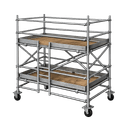
Temporary Structures
Covers scaffolding, fencing, and temporary buildings.

Soft Costs
Covers additional expenses from construction delays due to covered losses.

Equipment Coverage
Covers permanently installed fixtures and equipment.
What Makes Burlington Different
Density changes the calculus here. In Burlington, builders risk is less about a remote site standing alone and more about a project interacting with nearby homes, businesses, pedestrians, and delivery access every day. That matters because a loss on a tight infill build or a major renovation can interrupt more than your own schedule. It can also complicate debris removal, temporary protection, material storage, and who needs to be named on the policy. The local property market reinforces that point. Completed values on custom work, additions, and serious rehabs can climb faster than owners expect. If you understate the finished value, skip soft-cost considerations that matter to your contract, or leave lender requirements to the end, the policy structure may not match the financial exposure. Here, the better buying move is to treat valuation, site logistics, and named insured review as part of preconstruction, not as paperwork after permits are in hand.
Our Recommendation for Burlington
Start with valuation discipline. For a local renovation or custom build, ask your agent to review the completed value against the construction contract, owner-supplied materials, change-order process, and any items that will be stored before installation. Next, map the site the way an underwriter would see it: fencing, lighting, lockup procedures, delivery timing, and whether materials sit in a basement, garage, trailer, or off-site warehouse before use. If the job is financed, confirm early what the lender wants for limits, mortgagee wording, and evidence of coverage so closing or draws do not stall. On mixed-use or downtown-adjacent work, review who should be named, including the owner, general contractor, and others with a financial interest, because that decision affects claims handling later. If your project is a renovation rather than new construction, make sure the quote request clearly separates existing structure concerns from the work in progress so there is less room for confusion after a loss.
Get Builders Risk Insurance in Burlington
Enter your ZIP code to compare builders risk insurance rates from carriers in Burlington, VT.
Business insurance starting at $25/mo
FAQ
Frequently Asked Questions
Burlington renovations should start with completed value, site security, and who has a financial interest in the job. Understated values can create a bigger gap on higher-finish rehabs or additions than owners expect, especially where neighboring properties and access are tight.
Burlington property values can change how carefully you set limits. Custom finishes, owner upgrades, and change orders should be reviewed before binding coverage, not after framing starts, so the completed value tracks the real build instead of the original budget.
Chittenden County has 5,676 business establishments, and leading sectors include professional services, retail, and health care. That mix means many projects involve occupied properties, tenant expectations, or lender oversight, so documentation and named insured details deserve closer review.
Burlington financed projects usually move more smoothly when you send the construction contract, draw schedule, completed value, project timeline, and lender insurance requirements together. That gives the underwriter a clearer picture of the job instead of just an address and budget.
Burlington projects often involve multiple parties with money tied to the build, so the owner is not always the only name to review. Confirm the lender, general contractor, and any other party with a financial interest before coverage is issued.
Renovation projects should separate new work from existing structure before you compare quotes. That matters on older homes and phased rehabs, where a loss may affect both the area under construction and parts of the building that remain in use.
Custom home projects are usually worth reviewing as soon as the contract assigns responsibility for insuring the work. If materials, labor, and lender draws are already committed, a covered loss during construction may lead to a costly dispute without clear project coverage.
Policies may treat transit and stored materials differently, so you should ask for those exposures to be addressed in the submission. That is especially important if your site is rural or deliveries arrive well before installation.
Sources
- 1.U.S. Census Bureau, ACS 5-Year Estimates, table B25077(The city's median home value is $400,200.)
- 2.U.S. Census Bureau, ACS 5-Year Estimates, table B19013(Burlington has a median household income of $68,854.)
- 3.U.S. Census Bureau, County Business Patterns, Chittenden County(Chittenden County has 5,676 business establishments, and leading sectors include professional, scientific, and technical services at 13.7%, retail trade at 12.9%, and health care and social assistance at 11.4%.)
Updated July 5, 2026