







































Updated July 16, 2026

Car Insurance in Burlington
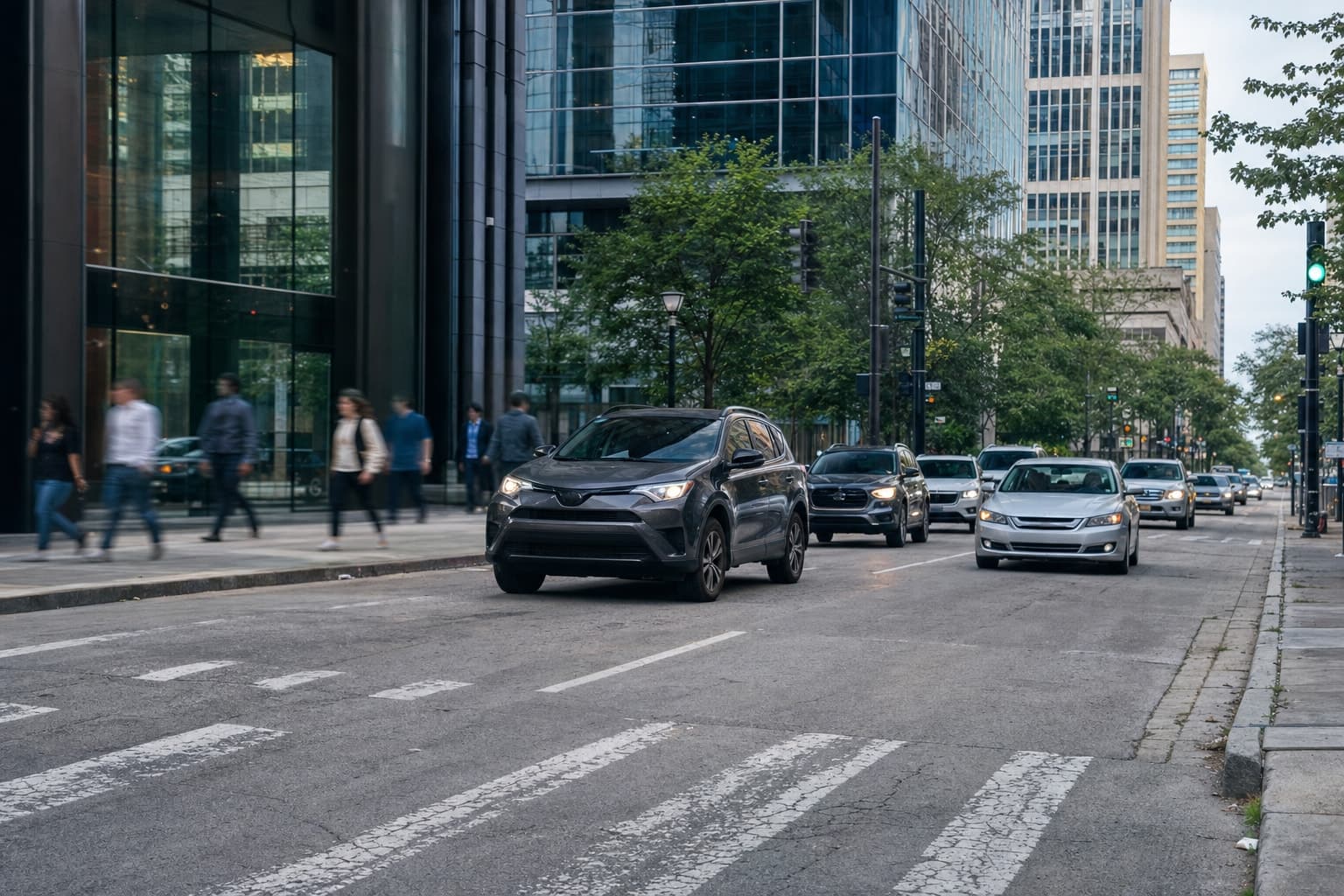
Burlington funnels a lot of daily driving through a compact street grid, busy retail corridors, and parking-heavy neighborhoods near downtown, the waterfront, and the university. Whether your routine includes short trips across town, street parking overnight, or commuting at peak hours, your quote should reflect those realities rather than a generic rural assumption. Burlington also sits inside the state's largest employment hub, so many drivers mix neighborhood errands with regular trips into surrounding commercial areas. That usually makes it worth reviewing collision and comprehensive deductibles, rental reimbursement, and whether your liability limits still fit your assets and income.
Vermont has a moderate climate risk rating. Top hazards: Winter Storm (High), Flooding (High), Nor'easter (Moderate), Landslide (Low). The state's expected annual loss from natural hazards is $120M, which influences car insurance premiums and may affect coverage availability in high-risk areas.
What Car Insurance Covers
The Vermont Department of Financial Regulation oversees the market, and your personal auto policy should be matched to how you actually drive. Core liability coverage is the foundation for injuries and damage you cause to others, while collision coverage helps with repairs to your own vehicle after an auto accident. Comprehensive coverage is the part most relevant for winter storm damage, flooding, theft, and other non-collision losses that can happen across the state. Because roughly one in fourteen Vermont drivers lacks insurance, uninsured motorist coverage deserves attention for local drivers who want protection if the other driver has too little insurance. Medical payments coverage can help with medical expenses after a crash, and rental reimbursement can be useful if your vehicle is in the shop after a covered loss. The common policy choices that change a Vermont quote are limits, deductibles, and any endorsements you add, so your final coverage should be matched to how often you drive, where you park, and how much risk you want to retain.
Coverage Included

Liability
Can help pay for injuries and property damage you cause to others in an accident, coverage most states require drivers to carry.
Collision
Can help pay to repair or replace your car after a crash with another vehicle or object, regardless of fault.

Comprehensive
Typically covers damage to your car from events other than collisions, such as theft, hail, fire, flooding, or hitting an animal.

Uninsured Motorist
May pay for your injuries and, in some states, car damage when an at-fault driver has no insurance or too little.

Medical Payments
Can help cover medical bills for you and your passengers after an accident, no matter who was at fault.
Rental Reimbursement
May pay for a rental car while your vehicle is in the shop for repairs after a covered claim.
Car Insurance Cost in Burlington
Average Cost in Vermont
$65 - $180
per month
In Vermont, car insurance premiums typically run $65 - $180 per month, which tends to run 28% below the national range of $110 - $230 per month.
- Driving record and age
- Vehicle make, model, and year
- Location and commute distance
- Credit-based insurance score
- Coverage limits and deductibles
Contact CPK Insurance for a personalized quote.
Prices shown are general estimates, not guaranteed rates or quotes. Your actual premium will depend on the insurer, coverage selected, personal details, location, claims history, and other underwriting factors. Learn about our pricing methodology.
The average premium range for car insurance in Vermont is about $65 to $180 per month, and the state's premium index of 98 suggests pricing is close to the national average rather than dramatically above it. That said, your actual cost varies with coverage limits, deductibles, claims history, location, and policy endorsements, so a driver in Burlington may see a different quote than someone who mainly drives in smaller towns or on rural routes. The state's large carrier count gives local shoppers more room to compare quotes across competing insurers. Local risk matters too, because 2023 crash data shows weather conditions caused 26.4% of crashes, meaning more than one in four accidents tied to snow, ice, or rain. Drowsy driving accounted for 25.2%, speeding 18.3%, and running red lights or stop signs 17.4%, so drivers with longer commutes or frequent winter travel may want to think carefully about collision and comprehensive coverage. The state's 12,000 crashes and average claim cost of $19,650, which can mean a significant out-of-pocket impact if your limits are too low, also show why limits and deductibles matter. A higher deductible can lower the premium, but it also means more out-of-pocket cost after a claim. The real question is whether a cheaper monthly rate still leaves you exposed to repair bills and medical costs that exceed your coverage.
What Makes Burlington Different
Density is the variable that shapes most local risk. Chittenden County has 5,676 business establishments, which means more commuters, customers, delivery vehicles, and service traffic share the same roads you use every day. For you, that often means the claim scenarios worth planning around are not only severe weather or long-distance travel, but also everyday contact losses: a door ding in a tight lot, a rear-end crash in stop-and-go traffic, or damage while your car is parked near active storefronts and apartment blocks. The county business mix reinforces that pattern. Professional, scientific, and technical services account for 13.7% of establishments, retail trade 12.9%, and health care and social assistance at 11.4%, so your daily routes likely thread through office clusters, shopping districts, and medical centers with steady traffic all day rather than a single rush-hour spike. When renewal time comes, ask how your insurer prices garaging, commuting use, and physical damage coverage.
Our Recommendation for Burlington
Start with how your car actually lives here. If you park on the street or in shared lots, ask for quotes with more than one comprehensive and collision deductible so you can see the tradeoff instead of defaulting to a single option. Burlington's median household income is $68,854, so a serious at-fault claim can threaten assets that took years to build if your liability limits are too thin. Pull up your bodily injury and property damage limits and compare them against your savings, income, and the replacement value of the vehicles you could hit. If your household shares one car among multiple drivers, confirm that every regular driver is listed and that occasional use has not turned into an underwriting problem. If you commute into busier commercial areas, also ask about rental reimbursement and roadside assistance, because the inconvenience cost of a claim can be as disruptive as the repair bill. Bring your current declarations page and recent mileage estimate so the comparison is based on real use, not guesses.
Get Car Insurance in Burlington
Enter your ZIP code to compare car insurance rates from carriers in Burlington, VT.
Car insurance starting at $59/mo
FAQ
Frequently Asked Questions
Burlington drivers usually deal with denser streets, tighter parking, and more daily stop-and-go traffic than many rural parts of the state. That makes collision, comprehensive, and rental reimbursement worth a closer look based on where you park and how often you drive through commercial areas.
Burlington households often have more income to protect, and the city sits inside the county's busiest employment center. With median household income at $68,854, comparing your current liability limits against your assets before renewing is a smart move.
Chittenden County has 5,676 business establishments, so your daily routes likely thread through busy commercial zones with frequent parking turnover rather than open rural roads. That makes collision, comprehensive, and how your insurer classifies commuting and garaging worth reviewing together.
Burlington drivers who take short trips still face parked-car exposures, glass damage, and non-collision losses. If your vehicle spends nights on the street or in shared lots, pricing comprehensive alongside a few deductible options gives you a clearer picture before you decide.
Professional, scientific, and technical services make up 13.7% of county establishments, retail trade 12.9%, and health care and social assistance at 11.4%, so your commute likely runs through office clusters, shopping districts, and medical centers with steady traffic all day. A quote built around your actual route and parking pattern will serve you better than a generic Vermont profile.
Vermont drivers usually build a policy around liability coverage, then add collision, comprehensive, uninsured motorist, medical payments, and rental reimbursement as needed. The right mix depends on how you drive in places like Montpelier, Burlington, or rural areas that see winter storm risk.
Vermont requires drivers to carry minimum liability coverage of $25,000 per person for bodily injury, $50,000 per accident for bodily injury, and $10,000 for property damage. The state also requires uninsured and underinsured motorist coverage at the same limits. If you are comparing options, ask the carrier how the policy fits your vehicle use and whether any state-specific requirements affect your quote.
Average monthly premiums in Vermont vary, but your premium depends on limits, deductibles, claims history, location, and endorsements. A driver facing winter road exposure or a recent claim may see a different quote than someone with a clean record and lower mileage.
Sources
- 1.U.S. Census Bureau, County Business Patterns, Chittenden County(In Chittenden County, there are 5,676 business establishments.; Professional, scientific, and technical services account for 13.7% of establishments, retail trade 12.9%, and health care and social assistance 11.4%.)
- 2.U.S. Census Bureau, ACS 5-Year Estimates, table B19013(Burlington’s median household income is $68,854.)
Updated July 16, 2026





