
Updated July 16, 2026

Homeowners Insurance in Burlington
Professional, scientific, and technical services lead the business mix in Chittenden County, with retail and health care close behind. Many local households juggle remote work, client equipment, irregular schedules, and frequent package traffic at the same address. That changes how you review your policy. A policy here often needs a closer look at home office property limits, liability around visitors and deliveries, and whether higher-value electronics or tools should be scheduled instead of left inside standard sublimits. Burlington home values are high enough that replacement decisions, dwelling limits, and ordinance-related rebuilding questions warrant a careful conversation. If you own near the Hill Section, in the New North End, or in an older neighborhood with mixed-use streets nearby, review your coverage built around how the home is actually used day to day, not just the square footage on a listing sheet. Start by pulling your current declarations page, then flag any detached structures or finished basement space so you can compare settlement terms on equal footing before renewal.
Vermont has a moderate climate risk rating. Top hazards: Winter Storm (High), Flooding (High), Nor'easter (Moderate), Landslide (Low). The state's expected annual loss from natural hazards is $120M, which influences homeowners insurance premiums and may affect coverage availability in high-risk areas.
What Homeowners Insurance Covers
In Vermont, the most useful coverage review usually starts with loss scenarios that are common to the way homes are built and occupied here. If your house sits through long heating seasons, you should ask how the policy handles sudden water damage after a pipe freeze. You also need to know what maintenance issues could be excluded and whether any endorsement changes the settlement on older materials. If trees are close to the structure, review how your policy responds to a covered tree strike, debris removal, and temporary repairs needed to prevent further damage.
Roof claims deserve a close read before you buy. Ask whether the quote assumes replacement cost or another settlement method for the roof, whether cosmetic issues are treated differently from functional damage, and how age or prior wear could affect a claim decision. For homes with detached garages, sheds, or barns, confirm that other structures coverage is enough for the buildings you actually have on the property rather than relying on a default amount you never checked.
Contents coverage also needs a Vermont-specific inventory mindset. If you keep tools, outdoor equipment, or seasonal gear in a basement, mudroom, garage, or outbuilding, ask where the policy draws the line after a covered water event or theft. For older homes, review ordinance or law coverage so you know whether added cost from current building requirements is addressed after a covered loss. Liability deserves the same practical review. Dog exposure, wood stove use, short-term guests, and property conditions that could lead to a slip or fall should all be discussed before you choose limits.
Coverage Included

Dwelling
Repairs or rebuilds your home itself, the walls, roof, floors, built-in appliances, and attached structures like a garage, after a covered loss. Set this limit to the full cost of rebuilding, not market value.
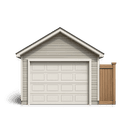
Other Structures
Detached structures on your property, such as a fence, shed, detached garage, or gazebo. Usually set at about 10 percent of your dwelling limit [2].

Personal Property
Your belongings, furniture, clothing, electronics, and appliances, generally written at 50 to 70 percent of your dwelling limit [2]. High-value items like jewelry and art carry special limits.

Additional Living Expenses
Also called loss of use. Pays your added living costs, hotel stays, meals, and a temporary rental, while a covered loss makes your home uninhabitable. Usually set at about 20 percent of your dwelling limit.

Liability
Covers you if someone is injured on your property, or you damage someone else's property, and you are found responsible. The standard $100,000 limit [2] is often raised to $300,000 or $500,000.

Medical Payments
Pays small medical bills, commonly $1,000 to $5,000, if a guest is hurt at your home regardless of fault, without a formal liability claim.
Homeowners Insurance Cost in Burlington
Average Cost in Vermont
$70 - $190
per month
In Vermont, homeowners insurance premiums typically run $70 - $190 per month, which tends to run 28% below the national range of $110 - $250 per month.
- Home replacement cost, age, and construction type
- Roof age, material, and condition
- ZIP code and local weather risk (wind, hail, wildfire, hurricane)
- Coverage limits and endorsements
- All-peril and percentage wind/hail deductibles
- Claims history and insurance score where allowed
Typical range for many standard homeowners profiles; lower-risk homes fall below it and coastal, wildfire, or older-roof homes can run well above. Final pricing depends on property details, location, underwriting, and selected coverage.
Prices shown are general estimates, not guaranteed rates or quotes. Your actual premium will depend on the insurer, coverage selected, personal details, location, claims history, and other underwriting factors. Learn about our pricing methodology.
Homeowners pricing in Vermont is usually driven less by a single statewide average and more by the details of the house, the site, and the way the policy is structured. Many homes see premiums from $70 to $190 per month, depending on rebuild cost, roof condition, claims history, deductible choice, and whether the home is primary, seasonal, or rented to others part of the year. That range sits below what homeowners pay in many states, which makes Vermont relatively affordable for this coverage. Still, two similar-looking houses on the same road can pay very different rates, so a quote only becomes useful once the home data is accurate.
Start with the property itself. The age of the roof, heating system type, plumbing updates, electrical updates, and foundation condition can all move pricing. So can distance to fire protection, tree exposure, prior water losses, and whether the home has features that cost more to rebuild than a standard tract house. If the home is older, ask the agent to confirm how replacement cost assumptions are being handled and whether any endorsements are needed to avoid a gap after a covered loss.
Your choices inside the quote matter too. Higher dwelling limits, lower deductibles, broader endorsements, and higher liability limits can all increase premium. A higher deductible may lower the monthly cost, but only if you can comfortably absorb that amount after a real loss. Payment method, bundling, and protective devices may also affect the final number. The best way to compare cost is to keep the inputs consistent. Then look at what changed and why, instead of assuming the lowest premium gives you the better fit for your Vermont home.
What Affects Homeowners Insurance Rates in Burlington
Burlington’s median home value is $400,200, so the cost conversation usually starts with whether your dwelling limit still matches what it would take to repair or rebuild with like kind and quality, not with hunting for the lowest premium line. The city’s median household income is $68,854, which makes deductible choice practical, not theoretical: if you raise the deductible to control premium, make sure you could actually absorb that out-of-pocket amount after a covered loss. For many owners here, the better review is not just price but the tradeoff between deductible, personal property limits, and endorsements for water backup, valuable items, or home-based work equipment. Ask for side-by-side quotes that keep the same limits and deductible structure so you can see what is really changing.
What Makes Burlington Different
In the county containing Burlington, professional, scientific, and technical services account for 13.7% of establishments, ahead of retail trade at 12.9% and health care and social assistance at 11.4%. In practical terms, roughly one in seven local businesses falls into consulting, design, engineering, or similar fields, so your neighbors are likely running client meetings or storing project materials at home. If that sounds like your setup, the real question is whether your policy language still fits the property, liability, and use pattern you actually have. A standard form may leave gaps around business property, client-owned items, or frequent work-related visitors. Before you renew, walk through where work equipment lives, whether any inventory is stored on site, and whether a garage or shed serves a purpose beyond ordinary household storage.
Our Recommendation for Burlington
Start with the declarations page and verify the dwelling limit against current rebuilding expectations for your address, especially if your home has older finishes, built-ins, or detached structures that would be costly to replicate. Next, inventory what stays in the house for work: laptops, monitors, cameras, tools, samples, or records. If replacing those items would strain your budget, ask whether they sit inside standard personal property treatment or need separate scheduling or a different policy approach. If you receive frequent deliveries, host clients, or use part of the property for side income, raise that early so liability and use restrictions can be reviewed while you still have time to adjust. Then compare quotes on equal terms, same deductible, same dwelling basis, same endorsements, so you can decide on coverage quality instead of reacting to a premium difference that comes from thinner limits.
Get Homeowners Insurance in Burlington
Enter your ZIP code to compare homeowners insurance rates from carriers in Burlington, VT.
Home insurance starting at $50/mo
FAQ
Frequently Asked Questions
Yes, if the work is regular rather than occasional. A standard homeowners policy is built around residential use, so routine business activity can shift how the insurer classifies your property and what it will pay for. Disclosing home-based work early lets you review whether your equipment, liability, and visitor exposure need different treatment under the policy.
Burlington home values make dwelling limits worth a careful review before you compare premiums. A lower-priced quote may simply be using thinner limits or different settlement terms, which can matter after a serious property loss.
Burlington has a median household income of $68,854, which gives a rough sense of how much local households can absorb out of pocket after a loss. Saving on premium can make sense, but only if the deductible amount still fits your emergency budget after a covered claim.
Chittenden County has 5,676 business establishments, so you are more likely to see delivery traffic, side income, or client visits at a residential address than a purely residential area would suggest. Reviewing liability, home office property, and any detached-structure use can help you avoid gaps before renewal.
Before closing, look at whether the dwelling amount reflects rebuild cost, whether the deductible fits your savings, how roof settlement works, whether occupancy details are correct, and whether the mortgagee clause matches your lender. If you want a state consumer checkpoint while comparing forms or billing practices, the Vermont Department of Financial Regulation is the regulator to reference.
Vermont seasonal homes often need a closer eligibility review because long vacancy periods and part-time occupancy can change how a standard homeowners form fits. Tell the agent exactly how the property is used before binding so the quote is built correctly.
Vermont older homes can change both price and underwriting because roof age, wiring, plumbing, heating, and foundation condition all matter. Bring inspection findings and update dates to the quote request so the policy is based on the house as it stands today.
Vermont deductible choices should match your emergency savings, not just your target premium. A higher deductible can lower monthly cost, but it only works if you can pay that amount comfortably after a covered loss without delaying repairs.
Sources
- 1.U.S. Census Bureau, ACS 5-Year Estimates, table B25077(Burlington’s median home value is $400,200.)
- 2.U.S. Census Bureau, ACS 5-Year Estimates, table B19013(Burlington’s median household income is $68,854.)
- 3.U.S. Census Bureau, County Business Patterns, Chittenden County(In the county containing Burlington, professional, scientific, and technical services account for 13.7% of establishments, retail trade 12.9%, and health care and social assistance 11.4%.; Chittenden County has 5,676 business establishments.)
Updated July 16, 2026