Updated July 16, 2026

Key Takeaways
- List every towing and transport service you perform before requesting quotes, so loading, unloading, winching, and recovery exposures are reviewed correctly.
- Compare the on-hook limit, deductible, valuation method, and exclusions side by side instead of choosing a policy on premium alone.
- Ask in writing whether your policy addresses the specific vehicles you tow most often, especially specialty, modified, low-clearance, or higher-value units.
- Use pre-tow photos, condition notes, and signed release procedures on every job to reduce disputes and support claims handling.
- Review on-hook coverage together with auto liability and any garagekeepers coverage before renewal to catch gaps between transport and storage.
On-Hook Towing Insurance in Vermont
Landlords, municipal clients, police rotation managers, and lenders often ask to see proof that your towing operation carries the right protection before they hand over yard access, contract work, or financing terms. They want documents that match how your trucks actually operate, because a damaged vehicle during a tow can turn into a dispute over custody, condition, and paperwork very quickly. In Vermont, that makes on-hook towing insurance a practical buying issue, not just a line item on a certificate request.
If you run local roadside calls, winter recoveries, dealer transfers, or impound work, your quote should be built around the vehicles you move, where you store them between jobs, and how your drivers document condition before hookup and after drop-off. Before you shop, gather your truck list, service mix, towing radius, and any contract insurance requirements so you can compare quotes on the same terms.
What On-Hook Towing Insurance Covers
The useful question in Vermont is not the basic definition of on-hook coverage. The real question is where your operation creates the most claim friction and whether your policy language matches that work. A tow company handling mountain roads, icy shoulders, gravel driveways, and long rural runs can face a different loss pattern than an operator doing mostly short urban relocations. That matters because the damage dispute often starts with the exact moment custody begins, the condition notes your driver records, and whether the vehicle is being moved in a way the underwriter expected.
If you take police calls, private property impounds, dealer transfers, or seasonal roadside work, review whether your quote is built around those job types instead of a simplified description of your business. A carrier may want detail on wheel-lift versus flatbed use, low-clearance vehicles, all-wheel-drive units, modified trucks, motorcycles, or heavier pickups. If your drivers regularly winch vehicles out of snow, mud, or narrow roadside positions before transport, say so up front so the policy review reflects real operations.
Weather also changes what buyers should ask. Rain, snow, freeze-thaw conditions, and limited shoulder space can increase the chance of scraping, shifting, undercarriage contact, or loading damage. You should ask for clear explanations of exclusions, valuation method, reporting expectations, and whether your documentation process supports the claim if a customer challenges pre-existing damage.
The state regulator is the Vermont Department of Financial Regulation, which oversees policy forms, complaint handling, and insurer licensing. Before you bind, confirm the insurer is licensed in Vermont so you have access to the complaint process if a dispute arises. If you are comparing forms, endorsements, or complaint handling standards, keep your review grounded in regulated policy language. Ask for specimen wording before committing.
Collision on Hook
Covers damage to towed vehicles from collisions during transport.
Comprehensive on Hook
Covers theft, fire, and weather damage to vehicles being towed.
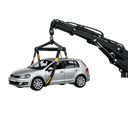
Loading & Unloading
Covers damage during the process of loading and unloading vehicles.
Winching Coverage
Covers damage to vehicles during winching and recovery operations.
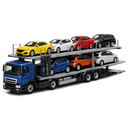
Multiple Vehicle
Covers all vehicles on multi-car carriers and rollback flatbeds.
On-Hook Towing Insurance Requirements in Vermont
- Towing claims can become harder to defend when winter conditions make pre-existing damage difficult to document at pickup.
- If your routes include rural roads, steep grades, or narrow shoulders, ask the insurer to review how those operating conditions affect underwriting assumptions.
- Municipal, landlord, and impound-related work often goes more smoothly when your certificate and service descriptions match the contract language exactly.
- A submission is usually stronger when it separates routine roadside towing from recovery or difficult extraction work instead of blending all services together.
How Much Does On-Hook Towing Insurance Cost in Vermont?
For Vermont towing operators, the most useful way to think about cost is through claim severity, not a generic average. An underwriter is pricing the chance that a customer vehicle is damaged while attached, loaded, carried, or unloaded, then asking how expensive that loss could become based on the vehicles you handle and the conditions your drivers work in. If your business tows newer SUVs, all-wheel-drive vehicles, commercial vans, or units with lower ground clearance, your quote may be built differently than a book focused on older local passenger cars.
Your service territory matters too. A Vermont operation that runs longer rural routes, covers secondary roads in winter, or responds to off-hours breakdowns may present a different risk profile than a company working short daytime calls near a dense service area. The same is true if you combine roadside towing with impounds, recovery, transport, or dealer work. Each service changes how often a vehicle is handled, how long it stays in your care, and how likely a disagreement becomes expensive.
Equipment and process also affect pricing. Flatbeds, wheel-lifts, dollies, winches, camera documentation, driver training, and written intake procedures all help an underwriter understand whether your operation is consistent and defensible after a loss. Deductible choice, requested limits, claims history, driver experience, and the condition of your trucks can all move the quote. Because weather can complicate loading and roadside recovery, ask each insurer to explain what assumptions they are making about your work.
Then compare quotes line by line: covered operations, exclusions, deductible, valuation approach, and any conditions tied to driver records or vehicle inspections. That gives you a truer cost comparison than looking for a single headline number.
Request a Quote Comparison
Enter your ZIP code to compare on-hook towing insurance rates from top carriers.
Business insurance starting at $25/mo
Who Needs On-Hook Towing Insurance?
In Vermont, this coverage matters for any business that can be blamed for damage to a vehicle while it is being moved by your tow truck, even if towing is only part of your revenue. That includes operators doing roadside assistance with towing attached, recovery work after weather events, dealer and auction transport, municipal towing, apartment or private lot impounds, and specialty moves for disabled or low-clearance vehicles. If your customer, a property manager, or a public agency expects you to take possession of a vehicle and move it safely, this belongs on your insurance checklist.
It is especially important if your operation works in conditions where damage allegations are harder to sort out later. Vermont jobs often involve snowbanks, narrow shoulders, sloped driveways, soft ground, and limited lighting. In those settings, even a careful tow can lead to a later claim about bumper damage, wheel issues, underbody contact, or shifting during transport. If your business model depends on fast dispatch and varied call types, you need coverage that can help cover the work you actually accept.
You should also review it if another party is screening your insurance before assigning work. Landlords may ask for proof before allowing impound enforcement on a property. Municipal or law-enforcement-related work may require evidence that your policies fit the services you perform. Lenders and lessors may also want to see a complete insurance package before finalizing truck financing or contract terms.
A practical test is simple. If your driver hooks, lifts, winches, or carries someone else's vehicle and your company could be drawn into the damage discussion, ask for a quote review built around those exact services, not a broad towing label.
On-Hook Towing Insurance by City in Vermont
On-Hook Towing Insurance rates and coverage options can vary across Vermont. Select your city below for localized information:
How to Buy On-Hook Towing Insurance
Start your purchase process by building an operations summary an underwriter can actually use. List each truck, how it is equipped, and what it does in the field. Separate flatbed work from wheel-lift work. Note whether you handle police rotation, private impounds, dealer transfers, roadside assistance, recovery, transport, or seasonal overflow. If a truck is used for more than one type of job, say that clearly instead of forcing it into one simple category.
Next, map where and how you work. A quote gets more accurate when you explain whether your calls are concentrated around one town, spread across rural counties, or pushed into longer after-hours runs. Include whether drivers regularly operate in winter conditions, on steep grades, on gravel roads, or in tight residential access points. Those details help the insurer understand exposure before a claim happens.
Then gather the documents buyers often skip until the last minute: driver lists, motor vehicle records if available, loss runs, current declarations pages, contract insurance requirements, and any sample certificates your clients ask for. If you have a photo intake process, pre-tow inspection checklist, or dispatch notes that record vehicle condition, mention that too. Good documentation can improve underwriting confidence because it shows how you defend a disputed damage claim.
Ask direct comparison questions. Are all listed services contemplated by the quote? Are there exclusions tied to certain vehicle types or recovery situations? How is a covered vehicle valued after a loss? What deductible applies? What proof will the insurer expect if a customer alleges pre-existing damage was made worse during the tow? Once you have those answers in writing, request a quote through CPK Insurance to compare your options with participating licensed providers.
How to Save on On-Hook Towing Insurance
The strongest way to lower your insurance friction is to make your operation easier to understand and easier to defend. Savings usually follow cleaner underwriting, fewer gray areas, and better claim documentation. Start with your service descriptions. If your website, invoices, dispatch notes, and insurance application all describe the business differently, fix that before you shop. Consistent language helps the underwriter price the right exposure instead of adding caution for uncertainty.
Next, tighten your vehicle condition process. Require drivers to photograph each vehicle before hookup when conditions allow, note visible prior damage, and document wheel position, ride height concerns, and any loading complications. In Vermont, where winter conditions can hide pre-existing issues, that routine can matter as much as the policy itself when a claim is disputed.
You can also save by separating higher-risk work from routine towing in your submission. If only part of your business handles recovery, impounds, or difficult roadside extractions, make that operational split clear. The more precisely your work is described, the easier it is for an insurer to quote the exposure instead of assuming every truck does every difficult job.
Review deductibles carefully rather than chasing the lowest premium. A higher deductible may reduce cost, but only if your cash flow can absorb it during a claim. Ask whether driver eligibility, equipment maintenance, camera use, or written procedures affect underwriting. A cleaner submission, updated loss history, and stronger documentation package often produce better quote options than a rushed application.
Our Recommendation for Vermont
For Vermont towing operators, buy this coverage with your hardest jobs in mind, not your easiest ones. A quote that looks fine for routine local tows can break down if your real week includes winter recoveries, steep driveways, dealer transfers, and after-hours calls on secondary roads. Ask the agent to walk through actual dispatch examples and confirm the policy was reviewed with those scenarios in mind.
Pay close attention to documentation standards. If a customer later disputes damage, your defense usually depends on photos, dispatch timing, driver notes, and a consistent intake routine. That is especially important in conditions where snow, dirt, and low light can obscure prior damage at pickup.
You should also line up your insurance review with your contracts. If a municipality, landlord, lender, or commercial client asks for proof of coverage, compare their requirements against the quote before binding, not after. Certificate requests often expose gaps in limits, named insured details, or service descriptions.
Finally, keep your application specific. Tell the insurer what each truck does, what vehicles you move, and where your drivers operate. The more your submission sounds like your real operation, the more useful your quote comparison becomes.
FAQ
Frequently Asked Questions
Landlords, municipal clients, police rotation managers, and lenders commonly ask for proof before they approve access, assign work, or finalize financing. Bring your service list and certificate requirements into the quote process so the policy matches the jobs you actually perform.
Yes. The Department of Financial Regulation oversees policy forms, complaint handling, and insurer licensing. If you are comparing quotes, ask for compliant policy wording and review endorsements before binding.
Winter conditions can change how an underwriter views loading, roadside recovery, and disputed damage potential. If your drivers work in snow, ice, or low-visibility conditions, describe that clearly so the quote reflects your real exposure and documentation needs.
Yes. Dealer moves and impound assignments often create higher expectations around vehicle condition records and proof of coverage. If those jobs are part of your operation, ask the insurer to confirm they were contemplated in the quote rather than assumed away.
Show truck details, driver lists, current coverage, loss history, service mix, towing radius, and any contract insurance requirements. A complete submission gives you a more accurate quote and makes it easier to compare exclusions and deductibles.
Towing businesses often improve pricing by tightening documentation, clarifying service categories, and presenting a cleaner underwriting submission. Focus on deductible fit, driver procedures, and accurate job descriptions instead of choosing a quote on premium alone.
On-hook towing insurance may cover damage to a customer vehicle while it is being loaded, attached, carried, winched, or unloaded by your tow truck, depending on the policy terms. Buyers should review collision, fire, theft, weather, and loading-related damage carefully.
Towing businesses, roadside operators, repossession companies, recovery services, and some vehicle transport businesses often need on-hook towing insurance because they move vehicles they do not own. If a customer vehicle is in your care during a tow, this coverage is worth reviewing.
Sources
- 1.Vermont Department of Financial Regulation(The state regulator is the Vermont Department of Financial Regulation.)
Updated July 16, 2026