Updated July 16, 2026

Builders Risk Insurance in Rutland
Builders risk insurance in Rutland often comes down to how your project is actually staged. Projects here frequently move between older in-town properties, small commercial rehabs, and single-family builds where the budget is watched closely. The lender, owner, and contractor each have money tied to the timeline, so an unexpected loss can freeze the draw schedule if the paperwork is not aligned. Your policy should be reviewed around where materials sit before installation and whether the work is a light interior renovation or a longer project with multiple trades cycling through the site. A loss on a modest residential build can still tie up a meaningful share of the finished property's value, which can force a hard conversation about how the job gets valued and what happens to the budget mid-build. If you are renovating an older house near downtown, updating a mixed-use building, or building on the edge of the city, bring your construction timeline, contract structure, and material storage plan into the quote request. The policy can then be matched to the real job instead of a generic template.
Builders Risk Insurance Risk Factors in Rutland
Rutland's top risk factors include Winter storm damage, Ice dam damage, Frozen pipe bursts, and Snow load collapse.
Vermont has a moderate climate risk rating. Top hazards: Winter Storm (High), Flooding (High), Nor'easter (Moderate), Landslide (Low). The state's expected annual loss from natural hazards is $120M, which influences builders risk insurance premiums and may affect coverage availability in high-risk areas.
What Builders Risk Insurance Covers
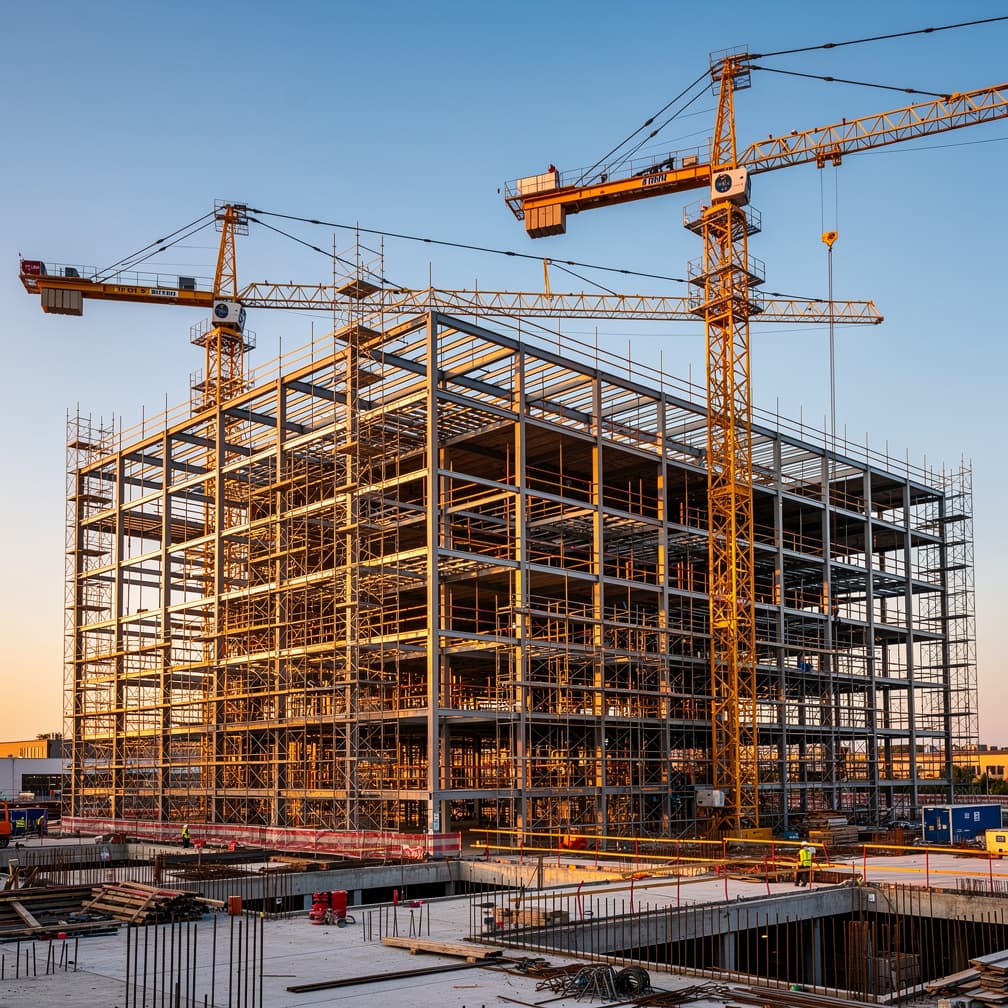
A project that starts in late fall can face a very different loss pattern than one framed and enclosed in summer, so you should ask how the form treats damage that follows snow load, ice, wind-driven water, or a partial collapse during construction. If your job includes a renovation, review how the policy draws the line between new work, existing structure, and materials waiting to be installed. That distinction matters on older homes, barns, mixed-use buildings, and phased commercial rehabs where only part of the property is under active construction.
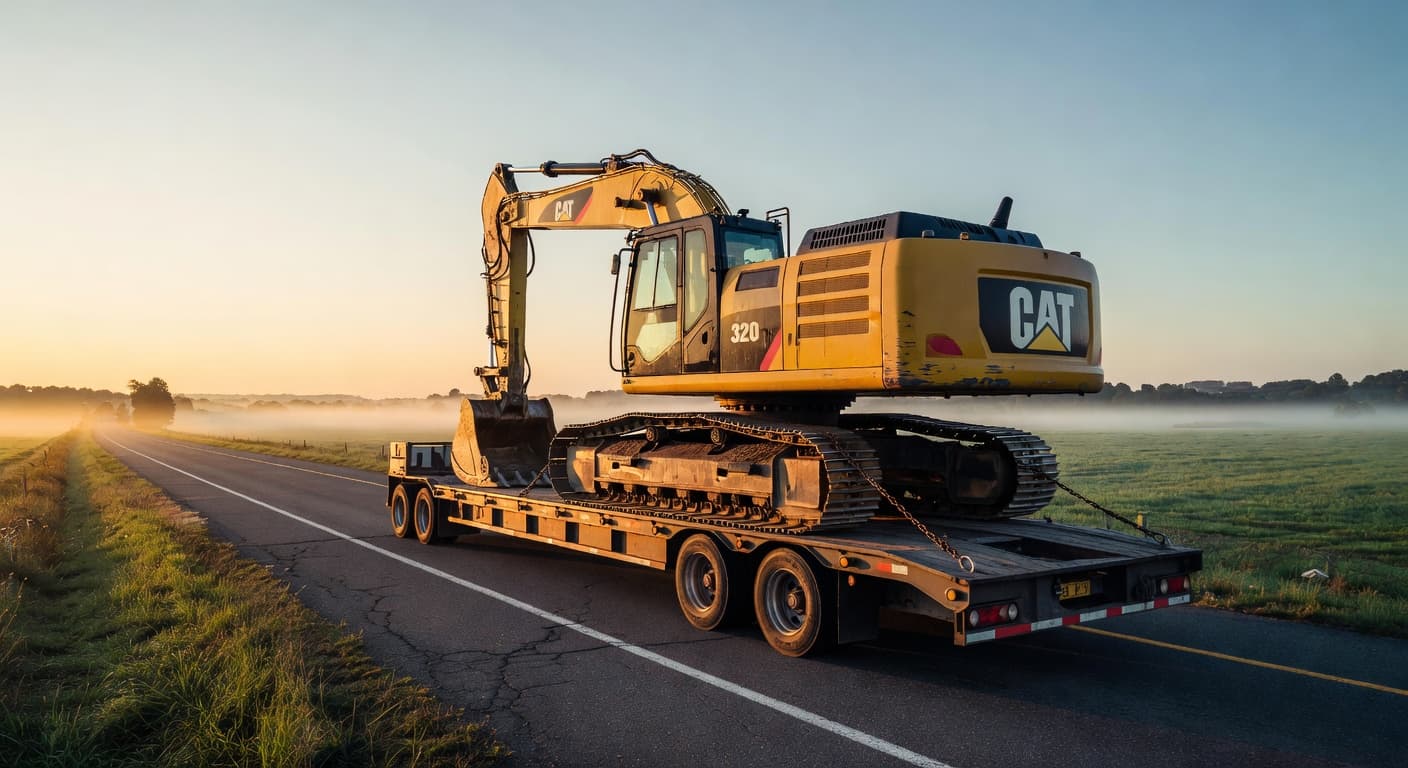
Pay close attention to materials stored in detached areas, items in transit on rural routes, temporary works, scaffolding, and equipment that supports the build. These may not fall neatly into the main structure limit. If the site is hard to access in winter or mud season, ask whether delayed replacement of damaged materials could create a larger downstream loss and whether soft cost options are worth reviewing. Soft costs are the indirect expenses that pile up when a project is delayed, things like extended loan interest, additional architectural fees, or extra rent for temporary space. The same applies if your lender expects the project to stay on a tight draw schedule.
For your quote, the useful step is to mark exactly what property is on site, off site, and in transit. Then compare exclusions and sublimits line by line instead of assuming every form handles Vermont weather the same way.
Coverage Included

Structure Coverage
Covers the building or structure under construction.

Materials on Site
Covers building materials stored at the construction site.

Materials in Transit
Covers materials being transported to the job site.
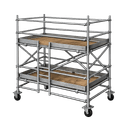
Temporary Structures
Covers scaffolding, fencing, and temporary buildings.

Soft Costs
Covers additional expenses from construction delays due to covered losses.

Equipment Coverage
Covers permanently installed fixtures and equipment.
Industries & Insurance Needs in Rutland
Rutland County's business mix changes who asks for proof of coverage and how quickly a project has to get back on track after a loss. The county has 1,961 business establishments, with retail trade at 17.5%, construction at 14.3%, and accommodation and food services at 10.7%. So a local build or renovation often touches tenant spaces, storefront improvements, restaurant work, or contractor driven projects where several parties have money tied to the same timeline. That is a practical reason to review who should be named on the builders risk policy, whether temporary protection at the site is documented, and how delay related costs are handled if a covered loss interrupts opening plans. If your job involves a future tenant, lender, or owner occupied business use, ask for the quote to reflect those relationships before work starts.
What Makes Rutland Different
Rutland's median household income is $55,000, and many residential and small commercial projects are financed with tighter contingency margins than you might see in a larger metro. That means a theft, fire, or damage event during construction hits harder because there is less slack to absorb the cost. The risk grows if the policy limit and valuation method were set too low. It is whether the completed value and any owner-supplied items are scheduled realistically enough to keep the project moving after a covered loss. If your build depends on a narrow financing plan, review values and named insureds before the first draw rather than after materials arrive.
Our Recommendation for Rutland
For a local renovation or ground-up build, compare the construction agreement, lender requirements, and project budget line by line so the quote uses the same completed value assumptions everyone else is using. If the job includes owner-purchased fixtures, long-lead materials, or phased occupancy, raise that early. Those details often change how property is valued and where gaps appear. On smaller residential jobs, ask whether cleanup and code-upgrade costs need closer review instead of assuming the base form handles them the way you expect. On commercial rehabs, sit down with the contract and walk through who carries the policy, who gets added by endorsement, and what happens if the completion date slips. A short review before binding is usually easier than trying to fix a mismatch after a loss.
Get Builders Risk Insurance in Rutland
Enter your ZIP code to compare builders risk insurance rates from carriers in Rutland, VT.
Business insurance starting at $25/mo
FAQ
Frequently Asked Questions
Rutland home projects should use a realistic finished value, not just the current purchase price or a rough materials number. Undervaluing the job can leave too little insurance if a covered loss hits before completion, which on a smaller property can mean the difference between finishing the build and walking away from a shortfall.
Rutland County has 1,961 business establishments, meaning a sizable share of the local economy depends on projects getting finished on time and on budget. Early review helps you confirm named insureds, loss payees, and project value before a delay becomes expensive.
Rutland County's establishment mix includes retail trade at 17.5% and accommodation and food services at 10.7%, so roughly one in three local businesses depends on foot traffic and a presentable storefront. Tenant improvement work is a practical local use case, and these projects often carry opening-date pressure and business-use stakeholders that a generic policy form may not anticipate.
Rutland County has construction at 14.3% of establishments, which tells you that a meaningful number of local firms make their living on active job sites. The right setup depends on the contract, but you should review the owner, general contractor, lender, and any party with a financial interest before work begins.
Rutland households often plan projects carefully, and a single covered loss during construction could force extra borrowing, scope reductions, or a stalled completion if values were set too low. A careful read of your policy before the first delivery arrives can keep a tight budget from collapsing after one bad event.
Renovation projects should separate new work from existing structure before you compare quotes. That matters on older homes and phased rehabs, where a loss may affect both the area under construction and parts of the building that remain in use.
Custom home projects are usually worth reviewing as soon as the contract assigns responsibility for insuring the work. If materials, labor, and lender draws are already committed, a covered loss during construction may lead to a costly dispute without clear project coverage.
Policies may treat transit and stored materials differently, so you should ask for those exposures to be addressed in the submission. That is especially important if your site is rural or deliveries arrive well before installation.
Sources
- 1.U.S. Census Bureau, ACS 5-Year Estimates, table B25077(The median home value is $176,400)
- 2.U.S. Census Bureau, County Business Patterns, Rutland County(Rutland County has 1,961 business establishments, with retail trade at 17.5%, construction at 14.3%, and accommodation and food services at 10.7%)
- 3.U.S. Census Bureau, ACS 5-Year Estimates, table B19013(Rutland's median household income is $55,000)
Updated July 16, 2026