Updated July 16, 2026

Key Takeaways
- List every towing and transport service you perform before requesting quotes, so loading, unloading, winching, and recovery exposures are reviewed correctly.
- Compare the on-hook limit, deductible, valuation method, and exclusions side by side instead of choosing a policy on premium alone.
- Ask in writing whether your policy addresses the specific vehicles you tow most often, especially specialty, modified, low-clearance, or higher-value units.
- Use pre-tow photos, condition notes, and signed release procedures on every job to reduce disputes and support claims handling.
- Review on-hook coverage together with auto liability and any garagekeepers coverage before renewal to catch gaps between transport and storage.
On-Hook Towing Insurance in Virginia
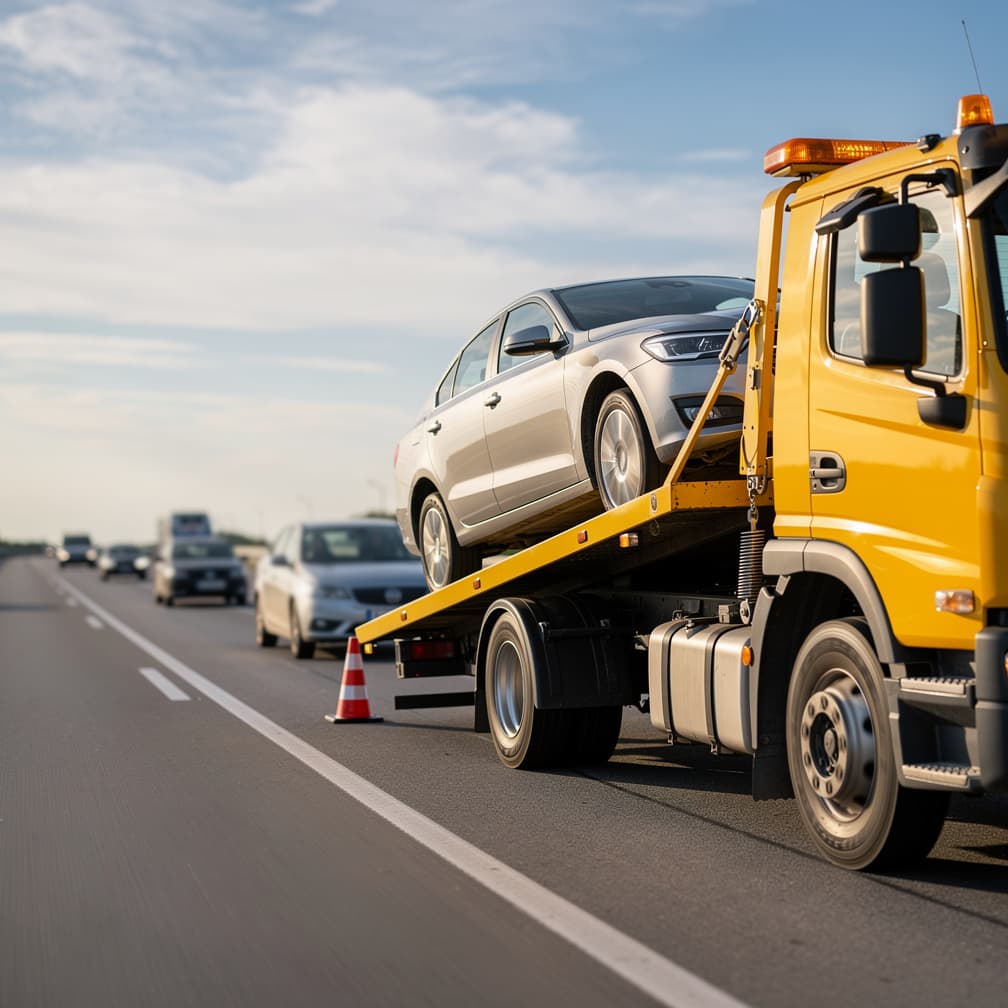
You are reviewing a new police rotation agreement, storage yard lease, or motor club packet, and one line item keeps slowing the file down. On-hook towing insurance in Virginia becomes a buying decision, not just a box to check, when you need proof that a customer vehicle is protected while it is actually hooked, winched, lifted, or carried.
Roadside calls on busy interstates, recoveries after heavy rain, dealer transfers, private property impounds, and after-hours releases from a fenced lot all change the damage scenario you need to discuss with an agent. Those jobs also affect how you describe your equipment, your service radius, your storage setup, and the kinds of vehicles you agree to move. Your quote should be built around your actual dispatch pattern and loss exposure. Before you bind coverage, line up your truck list, service mix, and any contract language that requires proof of insurance so the policy review matches the work you are taking on.
What On-Hook Towing Insurance Covers
The real issue is where your claim exposure shows up in day-to-day work and how clearly that is described before the policy is issued. If your drivers handle roadside breakdowns on high-speed corridors, the loading angle, shoulder conditions, traffic flow, and urgency of the scene can all change the chance of damage. If you do impounds or post-accident recovery, the condition of the vehicle before hookup can also become part of the dispute. Timestamped photos and dispatch notes are often what settle those arguments.
You should also look closely at how your operation switches between wheel-lift and flatbed work. A dealer transfer, a low-clearance vehicle, and a damaged SUV after a storm event do not create the same handling risk. The policy review should match the vehicles you actually accept, including whether you move higher-value units, inoperable vehicles, or vehicles with pre-existing damage. If your drivers cross mountain grades, work in coastal weather, or tow at night from apartment complexes and commercial lots, say that up front so the underwriting file reflects the real exposure.
The Virginia Bureau of Insurance oversees carrier licensing, form approvals, and consumer complaint resolution for policies issued in the state. If you are comparing forms, endorsements, or complaint handling expectations, keep your policy documents organized and review state-facing notices carefully. Ask for a plain-language explanation of any exclusions tied to unattended vehicles, recovery work, or the point where towing ends and storage begins, because those are the places where claim arguments often start.
Collision on Hook
Covers damage to towed vehicles from collisions during transport.
Comprehensive on Hook
Covers theft, fire, and weather damage to vehicles being towed.
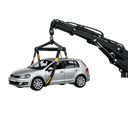
Loading & Unloading
Covers damage during the process of loading and unloading vehicles.
Winching Coverage
Covers damage to vehicles during winching and recovery operations.
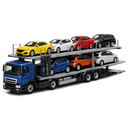
Multiple Vehicle
Covers all vehicles on multi-car carriers and rollback flatbeds.
On-Hook Towing Insurance Requirements in Virginia
- Virginia weather can shift a routine roadside hookup into a more complicated claim, so document road conditions, vehicle position, and visible prior damage before moving the unit.
- If your operation runs both urban interstate calls and longer rural or mountain-route tows, make sure the submission explains that difference instead of using one broad service description.
- Rotation agreements, yard leases, and commercial towing contracts can create insurance wording expectations that should be reviewed before certificates are issued.
- Operators handling impounds, dealer transfers, and recovery work under one business should separate those activities clearly so underwriting reflects the actual exposure mix.
How Much Does On-Hook Towing Insurance Cost in Virginia?
A single high-severity claim during a complex recovery can drive a quote more than several minor scratches. A quote can move based on what kinds of vehicles you tow, whether you run wheel-lift units, flatbeds, or both, how often you handle accident scenes, and whether your work is mostly scheduled transport or unpredictable roadside dispatch. If your operation takes calls in dense traffic, on wet roads, or in areas where shoulder space is limited, the carrier may look harder at how a loss could develop during hookup or unloading.
Your service territory matters too. A towing company working short local runs may present a different profile from one that regularly moves vehicles across longer routes, through mountain terrain, or into storm-affected areas. The same goes for the mix of private property impounds, police work, dealer moves, and recovery jobs. Those details help explain why one Virginia operator sees a very different quote from another, even with similar truck counts.
Limits, deductibles, driver experience, claims history, and documentation practices also shape pricing. If you can show a consistent pre-tow inspection routine, timestamped photos, signed release procedures, and clear dispatch records, you give the underwriter a cleaner file to evaluate. A well-documented operation with fewer gray areas can sometimes qualify for better pricing tiers.
The most useful way to shop is to request quotes using the same operational details each time. Keep the truck schedule, driver list, service descriptions, and any contract insurance requirements consistent across submissions. That lets you compare differences in terms, exclusions, and deductibles instead of guessing whether the price changed because the application changed.
Request a Quote Comparison
Enter your ZIP code to compare on-hook towing insurance rates from top carriers.
Business insurance starting at $25/mo
Who Needs On-Hook Towing Insurance?
Any Virginia operator who puts customer vehicles in tow may need this coverage, even if towing is only one part of the company. That can include roadside assistance businesses, recovery specialists, impound operators, transport-focused fleets, repair shops with their own tow units, and salvage-related operations that move disabled vehicles as part of a broader service package. The key question is simple: if a vehicle is damaged while your truck is moving it, could your business be asked to pay?
That question becomes more important when your work is varied. A company that spends one day on dealer transfers and the next on apartment impounds or post-collision recovery has a broader set of claim scenarios than a business doing only planned local moves. The same is true if you rotate between light-duty towing and jobs involving heavier pickups, vans, or vehicles with existing body damage. The more varied the work, the more carefully the policy should be matched to the operation.
You should also review this coverage if another party is asking for proof before you can start work. Property managers, municipalities, lenders, auctions, and commercial clients often want certificates and may expect specific wording or limits. If you sign those agreements without checking how your policy responds during loading, transport, and unloading, you can end up with a contract requirement that is broader than the protection you actually bought.
If you subcontract overflow work, use owner-operators, or dispatch under more than one business name, bring that up early. Those details can affect who needs to be scheduled, how certificates are issued, and whether the policy structure fits the way your Virginia operation really runs.
On-Hook Towing Insurance by City in Virginia
On-Hook Towing Insurance rates and coverage options can vary across Virginia. Select your city below for localized information:
How to Buy On-Hook Towing Insurance
Build a submission that mirrors your dispatch board. Underwriters need to understand what your trucks do on an ordinary week and on a bad week. List each truck, the towing method it uses, the service area, the kinds of vehicles you accept, and whether the unit is used for roadside calls, accident recovery, impounds, dealer work, or transport. If one truck does several kinds of jobs, say so clearly instead of forcing it into a single label.
Next, gather the documents that usually slow down binding. That includes your current declarations pages, loss runs if available, driver information, equipment list, and any contracts that require proof of insurance. If a police rotation agreement, storage lot lease, or commercial account has specific wording requirements, provide that language before the quote is finalized.
Then walk through your claim handling process as if a loss happened tonight. Explain who photographs the vehicle before hookup, who notes pre-existing damage, how dispatch records are stored, and how drivers document unloading. In Virginia, where a clear shoulder can disappear in heavy rain, that operational detail helps an agent present your account accurately.
Before you buy, ask direct questions about exclusions, deductibles, valuation approach, and any limits on the types of vehicles or towing situations covered. Also confirm where the carrier draws the line between towing exposure and storage exposure. Once you have comparable quotes, choose the policy that fits your actual work pattern and contract obligations, then keep a certificate request process ready for new accounts.
How to Save on On-Hook Towing Insurance
Saving money on this coverage in Virginia usually starts with tighter job classification and cleaner documentation. A clean submission matters, but daily procedures matter more. If your drivers take consistent pre-hook and post-drop photos, record visible prior damage, and note the exact condition of the vehicle at pickup, you reduce the chance that a routine dispute turns into a larger paid claim.
You can also save by narrowing avoidable ambiguity in your service mix. If your application says scheduled towing but your dispatch log shows frequent recovery work, the mismatch can create pricing friction or coverage questions. Describe the operation honestly, then separate higher-hazard work where possible. Some businesses benefit from clearly identifying which trucks handle standard roadside tows and which units take on more complex recovery or specialty moves.
Driver management is another practical lever. Review motor vehicle records regularly, document training on loading and unloading procedures, and keep written standards for wheel-lift use, flatbed securement, and release protocols. If a driver changes roles or begins handling more difficult calls, update your internal procedures before that change shows up in a claim file.
Deductible choices can affect premium, but do not raise a deductible beyond what your business can absorb during a disputed loss. The better savings move is often operational. Cleaner records, tighter job classification, better photos, and fewer preventable incidents can matter more than a deductible adjustment. Before renewal, compare your current policy against your actual last-year dispatch mix and ask for the quote to be rebuilt if your Virginia operation has become more specialized or more controlled.
Our Recommendation for Virginia
Review this coverage through the lens of terrain, weather, and service mix. If your trucks work coastal routes, mountain grades, urban interstates, and private property impounds in the same month, do not let the application flatten those exposures into a single vague description. A policy review is stronger when each major service type is named and tied to the trucks that perform it.
I would also treat documentation as part of the coverage decision, not just a back-office habit. Ask whether your current process captures pre-existing damage, vehicle condition, hookup method, and release details in a way that would still make sense months after the tow. If not, fix that before renewal. Underwriters and claims adjusters both work from what your drivers recorded at the scene.
Finally, compare quotes on terms, not just premium. Review deductibles, exclusions, vehicle type assumptions, and any contract-driven insurance requirements from police rotations, storage facilities, or commercial clients. If a quote looks attractive but leaves gray areas around recovery work or the handoff between towing and storage, press for clarification in writing before you bind.
FAQ
Frequently Asked Questions
The Virginia Bureau of Insurance licenses carriers, approves policy forms, and handles consumer complaints. If you have a dispute with a carrier that you cannot resolve directly, the Bureau can review the matter and help you understand your options.
Yes. Most rotation agreements require proof of this coverage before you can be added to the list. Review the specific limits and wording your locality expects, then match them to your policy.
Rain, ice, and fog can change loading, winching, and unloading risk quickly. Your quote should reflect where your trucks operate, and your drivers should document vehicle condition and scene conditions carefully.
Yes. If your shop moves disabled customer vehicles with its own truck, you face the same damage exposure during transport as a dedicated towing company. Review whether your policy matches that part of the operation.
Bring a truck list, driver information, service descriptions, current policy documents, and any lease or client insurance requirements. That gives the agent enough detail to quote the real exposure instead of guessing from a broad towing label.
Not always. Policies may treat towing exposure and storage-related exposure differently. Ask where the carrier draws that line before you buy, especially if your business releases vehicles from a yard after towing them in.
Quotes can separate quickly because the exposure changes with vehicle types, towing method, service territory, recovery work, deductibles, and claims history. Two operators with similar trucks may still present very different loss potential once the service mix is reviewed.
On-hook towing insurance may cover damage to a customer vehicle while it is being loaded, attached, carried, winched, or unloaded by your tow truck, depending on the policy terms. Buyers should review collision, fire, theft, weather, and loading-related damage carefully.
Sources
- 1.Virginia Bureau of Insurance(Virginia's insurance regulator is the Virginia Bureau of Insurance.)
Updated July 16, 2026