Updated July 16, 2026

On-Hook Towing Insurance in Norfolk
A disabled SUV comes off a downtown garage ramp after a brake failure. A low-clearance sedan shifts on the hook while you thread through port traffic and hospital corridors. That is the local version of the exposure: tight urban recoveries, customer vehicles with little margin for error, and work that often moves from curbside pickup to storage in one trip. When you shop for on-hook coverage, the policy review should focus less on generic towing language and more on how your drivers actually handle loaded vehicles around dense commercial blocks, medical campuses, and mixed-use streets. The county containing Norfolk has 5,400 business establishments, which means a steady volume of fleet, delivery, and employee vehicles rotates through your lot alongside private owners who expect clean documentation if something is damaged while in your care. So before you bind, read claim handling language, valuation method, and any limits on loading, unloading, or winching carefully. Bring your dispatch radius, truck types, and the kinds of vehicles you move to the quote request, then ask how the form responds during hook-up, transport, and set-down.
On-Hook Towing Insurance Risk Factors in Norfolk
Norfolk's top risk factors include Flooding, Hurricane damage, Coastal storm surge, and Wind damage.
Virginia has a moderate climate risk rating. Top hazards: Hurricane (High), Flooding (High), Severe Storm (Moderate), Winter Storm (Moderate). The state's expected annual loss from natural hazards is $1.2B, which influences on-hook towing insurance premiums and may affect coverage availability in high-risk areas.
What On-Hook Towing Insurance Covers
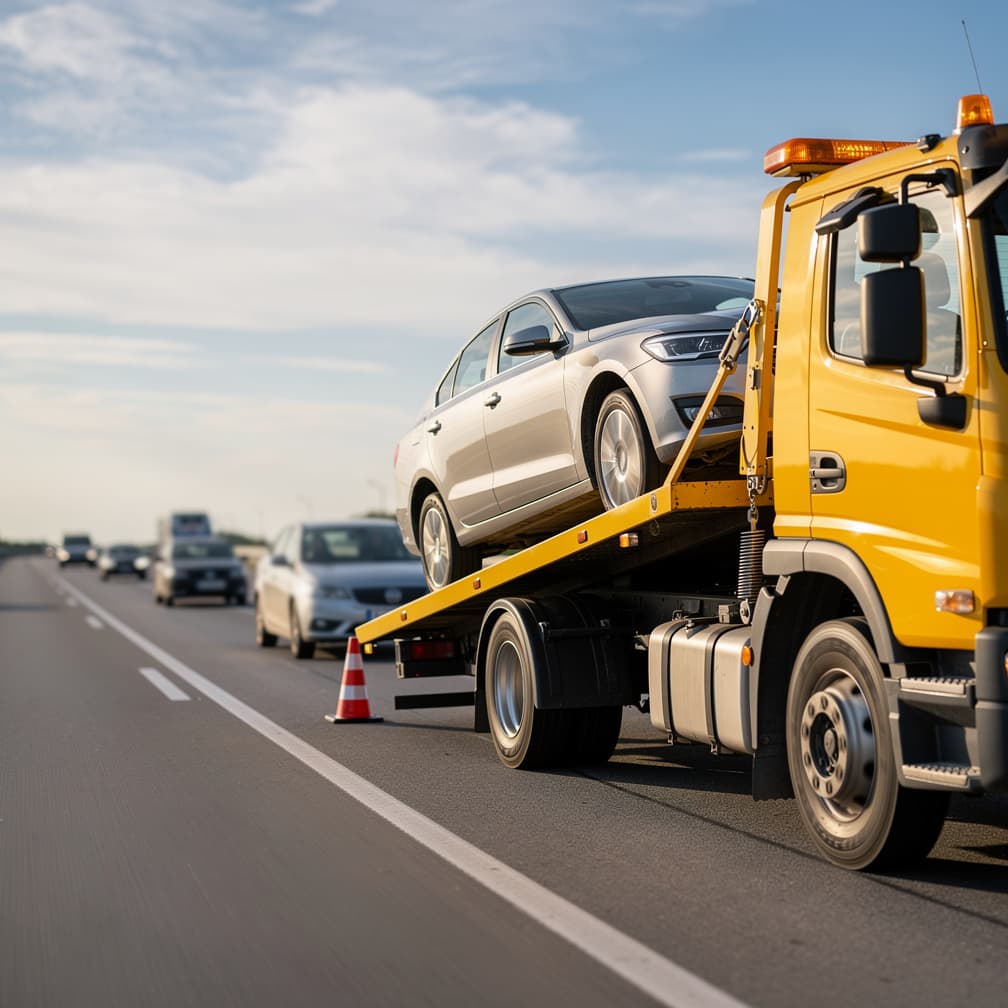
The real issue is where your claim exposure shows up in day-to-day work and how clearly that is described before the policy is issued. If your drivers handle roadside breakdowns on high-speed corridors, the loading angle, shoulder conditions, traffic flow, and urgency of the scene can all change the chance of damage. If you do impounds or post-accident recovery, the condition of the vehicle before hookup can also become part of the dispute. Timestamped photos and dispatch notes are often what settle those arguments.
You should also look closely at how your operation switches between wheel-lift and flatbed work. A dealer transfer, a low-clearance vehicle, and a damaged SUV after a storm event do not create the same handling risk. The policy review should match the vehicles you actually accept, including whether you move higher-value units, inoperable vehicles, or vehicles with pre-existing damage. If your drivers cross mountain grades, work in coastal weather, or tow at night from apartment complexes and commercial lots, say that up front so the underwriting file reflects the real exposure.
The Virginia Bureau of Insurance oversees carrier licensing, form approvals, and consumer complaint resolution for policies issued in the state. If you are comparing forms, endorsements, or complaint handling expectations, keep your policy documents organized and review state-facing notices carefully. Ask for a plain-language explanation of any exclusions tied to unattended vehicles, recovery work, or the point where towing ends and storage begins, because those are the places where claim arguments often start.
Coverage Included
Collision on Hook
Covers damage to towed vehicles from collisions during transport.
Comprehensive on Hook
Covers theft, fire, and weather damage to vehicles being towed.
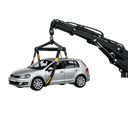
Loading & Unloading
Covers damage during the process of loading and unloading vehicles.
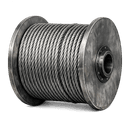
Winching Coverage
Covers damage to vehicles during winching and recovery operations.
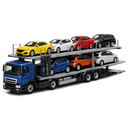
Multiple Vehicle
Covers all vehicles on multi-car carriers and rollback flatbeds.
Industries & Insurance Needs in Norfolk
The county business mix changes what lands on your hook. Retail trade accounts for 14.1% of establishments, health care and social assistance 12.9%, and professional, scientific, and technical services 11.8% in the county containing Norfolk. That mix points to a steady stream of personal vehicles, employee cars, service vans, and time-sensitive pickups around shopping areas, clinics, offices, and structured parking. For an on-hook policy, that matters because vehicle type, access conditions, and urgency can all affect loss severity when a tow starts in a cramped lot or ends in a busy loading area. A quote should reflect whether you mainly handle passenger cars, light commercial units, or a blend, and whether your drivers regularly work garages, alleys, private lots, or roadside calls. Ask the agent to review any per-vehicle limit against the highest-value units you actually tow, not just the average call.
What Makes Norfolk Different
What changes the calculus here is density. The exposure is often less about long-distance hauling and more about the moments when a vehicle is being positioned, lifted, cleared, and set down in a confined space. Small mistakes in those moments become expensive disputes over bumper damage, undercarriage contact, wheel alignment, or pre-existing condition. A local buyer should spend extra time on definitions and exclusions: what counts as covered damage while loading, whether winching is addressed clearly, and how the carrier wants losses documented. If your work is concentrated in tight-access commercial areas, ask for examples of how the policy responds during the highest-friction part of the tow, not just while the vehicle is already in transit.
Our Recommendation for Norfolk
Begin with your actual call sheet rather than a generic towing application. Break out municipal contract work from private-property impounds and roadside calls, because the handling conditions differ and the form should be reviewed against each one. If you tow from garages, apartment decks, hospital entrances, or loading zones, say that plainly and ask whether any sublimits, exclusions, or valuation provisions could matter during hook-up or set-down. Norfolk median household income is $64,017, which means many customer vehicles you handle are essential household assets, and even a moderate damage claim can escalate quickly when the owner needs the car back for work or family use. Documentation discipline therefore belongs in the buying decision. Ask what photos, dispatch notes, and condition reports the carrier expects after a loss, and whether your chosen limit fits the highest-value vehicle you are willing to move. Before you bind, compare at least two quote options on claims process and policy wording, not just premium.
Get On-Hook Towing Insurance in Norfolk
Enter your ZIP code to compare on-hook towing insurance rates from carriers in Norfolk, VA.
Business insurance starting at $25/mo
FAQ
Frequently Asked Questions
Operators should check how the policy treats loading, winching, transport, and set-down in tight-access areas. Local garage ramps and mixed-use blocks create more chances for contact damage, which means the specific wording around hook-up and set-down can determine whether a claim is paid or denied.
The county containing Norfolk has 5,400 business establishments, a volume that means many tow assignments involve employers, property managers, retailers, and service accounts that want documentation before work starts. Having proof of coverage already on file can keep the job from stalling while liability is sorted out.
Area demand often includes passenger vehicles, employee cars, and light commercial units. County establishment shares are led by retail trade at 14.1%, health care and social assistance at 12.9%, and professional, scientific, and technical services at 11.8%, a mix that means a single account can shift from compact sedans to delivery vans depending on the day.
Short-haul work can still produce expensive disputes because many losses happen during hook-up, maneuvering, or set-down, not only during transport. In dense commercial areas, photos, condition notes, and a clear valuation method help support the claim.
Norfolk median household income is $64,017, and a damaged vehicle can disrupt a household budget and daily transportation quickly. Clear communication about the claim process and timeline can reduce friction and help resolve the matter faster.
The Virginia Bureau of Insurance licenses carriers, approves policy forms, and handles consumer complaints. If you have a dispute with a carrier that you cannot resolve directly, the Bureau can review the matter and help you understand your options.
Yes. Most rotation agreements require proof of this coverage before you can be added to the list. Review the specific limits and wording your locality expects, then match them to your policy.
Rain, ice, and fog can change loading, winching, and unloading risk quickly. Your quote should reflect where your trucks operate, and your drivers should document vehicle condition and scene conditions carefully.
Sources
- 1.U.S. Census Bureau, County Business Patterns, Norfolk city(The county containing Norfolk has 5,400 business establishments.; Retail trade accounts for 14.1% of establishments, health care and social assistance 12.9%, and professional, scientific, and technical services 11.8% in the county containing Norfolk.)
- 2.U.S. Census Bureau, ACS 5-Year Estimates, table B19013(Norfolk median household income is $64,017.)
Updated July 16, 2026