Updated July 16, 2026

Commercial Auto Insurance in Norfolk
Norfolk's home county has roughly 5,400 business establishments, so you are likely bidding against neighbors who already have their coverage documentation in order. That density matters if you run service vans, delivery vehicles, sales cars, or a mixed fleet, because other businesses here are used to asking for clear proof of coverage before a job starts, a vendor is approved, or a vehicle enters a managed property. A local quote works better when it matches how your vehicles are assigned, where they park after hours, who is allowed to drive them, and whether employees use their own cars for errands or client visits. If your routes shift seasonally, if you carry tools and inventory, or if a single vehicle pulls double duty between personal and business use, bring those details up early. A precise vehicle schedule and driver list make it easier to compare terms that genuinely fit how your business operates.
Commercial Auto Insurance Risk Factors in Norfolk
Norfolk's top risk factors include Flooding, Hurricane damage, Coastal storm surge, and Wind damage. Norfolk's crime index of 124 (national avg: 100) increases vehicle theft risk, comprehensive auto coverage is important here. Flooding can cause significant vehicle damage, make sure comprehensive coverage is included.
Virginia has a moderate climate risk rating. Top hazards: Hurricane (High), Flooding (High), Severe Storm (Moderate), Winter Storm (Moderate). The state's expected annual loss from natural hazards is $1.2B, which influences commercial auto insurance premiums and may affect coverage availability in high-risk areas.
What Commercial Auto Insurance Covers
A commercial auto policy in Virginia is built around business use, not personal errands. The policy needs to match how your vehicles operate on local roads and job sites. Core protections may include liability for bodily injury and property damage, collision for repair costs after a crash, comprehensive for theft or weather damage, medical payments, and uninsured motorist protection. That structure matters in Virginia because the state sets minimum liability requirements for commercial vehicles, and uninsured or underinsured motorist coverage may also be required.
All commercial vehicles must be registered with the Virginia DMV, so coverage and registration should be aligned before a vehicle is put into service. You also need to think about hired auto and non-owned auto exposure if employees rent vehicles, use personal cars for company errands, or drive to client sites around Richmond, Norfolk, Fairfax, Roanoke, or Virginia Beach. Those endorsements can help protect you where a standard business auto policy falls short. Comprehensive is especially relevant in a state with high hurricane and flooding risk. Collision is the main protection for crashes tied to Virginia weather, traffic volume, and roadway behavior. The state-specific issue is making sure the policy reflects business travel, vehicle type, and whether the vehicle is a single company car or part of a fleet.
Coverage Included

Bodily Injury Liability
Covers injuries you cause to others in an accident

Property Damage Liability
Covers damage you cause to others' property
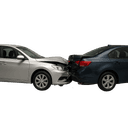
Collision Coverage
Pays for damage to your vehicle in an accident

Comprehensive Coverage
Covers theft, vandalism, weather, and animal damage

Medical Payments
Covers medical costs for your drivers and passengers

Uninsured Motorist
Protection when the other driver lacks insurance
Hired & Non-Owned Auto
Covers rented or employee-owned vehicles used for work
Commercial Auto Insurance Cost in Norfolk
Average Cost in Virginia
$130 - $430
per month
Businesses in Virginia typically see commercial auto insurance premiums of $130 - $430 per month, which tends to run 2% above the national range of $140 - $410 per month.
- Fleet size and vehicle types
- Driver records and experience
- Coverage limits and deductibles
- Business industry and use
- Annual mileage and operating radius
- Claims history
Rates based on small business averages. Your actual premium may vary.
Prices shown are general estimates, not guaranteed rates or quotes. Your actual premium will depend on the insurer, coverage selected, business details, location, claims history, and other underwriting factors. Learn about our pricing methodology.
Commercial auto insurance cost in Virginia is influenced by both the state market and your vehicle use. Premiums typically run from $130 to $430 per month, while small businesses often pay about $140 to $410 per vehicle per month, or roughly $1,200 to $2,400 annually per vehicle. Virginia has a premium index of 96, which means pricing is close to the national average, so you can expect rates in line with most other states.
Several Virginia-specific factors can move pricing up or down. The state has 520 active insurers, which creates competition, but risk still matters. Hurricane and flooding exposure are high, severe storms are common, and winter storms can affect claims frequency. Virginia also logged 128,000 crashes in 2023, with an average claim cost of $22,700, so carriers price for real vehicle repair and liability exposure. The 9.9% uninsured driver rate can also influence how buyers think about uninsured motorist protection. Your premium may also vary based on fleet size, vehicle type, driver records, coverage limits, deductibles, annual mileage, operating radius, claims history, and business use. A company car used for local client visits in Richmond may price differently from commercial truck insurance for a vehicle that runs longer routes or carries heavier exposure. Because delivery and construction fleets tend to pay more than office-based businesses, the way your vehicles are used in Virginia is often as important as where they are garaged.
Industries & Insurance Needs in Norfolk
The county business mix around Norfolk changes how many owners should look closely at hired and non-owned auto, symbol selection, and vehicle use classifications. Retail trade accounts for 14.1% of establishments, health care and social assistance 12.9%, and professional, scientific, and technical services 11.8%, so a large share of local businesses either move goods, send staff to appointments, or rely on employees driving between client locations. That matters even if you do not think of yourself as a transportation business. A retailer may have occasional deliveries, a care provider may send staff to homes or facilities, and a professional firm may have employees using personal cars for meetings, inspections, or site visits. If that sounds like your operation, ask your agent to review every way a vehicle enters your workflow, not just the titled company units. A policy review should separate owned vehicles from employee cars used on company business, then check whether your limits, driver eligibility, and physical damage choices still fit current operations.
What Makes Norfolk Different
With 5,400 establishments in Norfolk's county, your customers and contract partners probably see coverage certificates from multiple vendors each week, so yours needs to hold up under scrutiny. This coverage is often part of how you prove operational readiness, not just how you satisfy a legal requirement. The practical effect is that paperwork quality matters almost as much as the policy itself. If a property manager, general contractor, medical partner, or commercial customer asks for evidence of coverage, delays usually come from incomplete vehicle schedules, unclear business use, or drivers who were never formally listed and reviewed. You should expect to review who drives each unit, whether any personal vehicles are used for company errands, and how quickly certificates or updated ID cards can be issued when a new job starts. If your business adds and removes vehicles during the year, ask how endorsements are handled and what information is needed to keep records current.
Our Recommendation for Norfolk
Start with your vehicle schedule, then expand from there. List each unit along with its business use, where it is kept, who regularly drives it, and whether tools, products, or equipment stay inside overnight. If employees ever use their own cars for deposits, supply runs, client visits, or site checks, ask for a specific review of hired and non-owned auto exposure instead of assuming your base policy addresses it. Buyers should also think about how their customer base affects claim tolerance. Median household income is $64,017, so a portion of your clientele may be cost-sensitive, which means an incident involving a work vehicle can strain a client relationship on top of the repair costs. Compare liability limits, deductibles, and downtime planning before your renewal date so you can see which option actually protects your cash flow and your reputation. If you are deciding between policy options, bring your current declarations page, driver list, and any contract insurance requirements to a quote review so differences show up clearly.
Get Commercial Auto Insurance in Norfolk
Enter your ZIP code to compare commercial auto insurance rates from carriers in Norfolk, VA.
Business insurance starting at $25/mo
FAQ
Frequently Asked Questions
A single vehicle can still create contract, driver, and certificate issues if details are outdated. Many local customers expect clean proof of coverage before work begins, so a review helps you stay ready.
Ask whether hired and non-owned auto needs to be reviewed. That matters for professional firms, care providers, and retailers whose staff drive to meetings, appointments, deliveries, or supply runs in personal vehicles.
Focus on vehicle use, driver eligibility, liability limits, and physical damage choices. Retail trade represents 14.1% of county establishments, so if you operate in that sector, delivery, pickup, or mobile service activity is common enough that your policy needs to describe it accurately.
They often should review it anyway. Health care and social assistance makes up 12.9% of county establishments, and professional, scientific, and technical services 11.8%, so employee travel between clients, facilities, and job sites is common enough to warrant a closer look.
Bring a current declarations page, complete driver list, vehicle schedule, and any contract insurance requirements. If you have certificate requests from customers or property managers, include those too so quote differences are evaluated against real operating needs.
In Virginia, commercial auto insurance can help cover liability, collision, comprehensive, medical payments, and uninsured motorist protection for business-use vehicles, and it can extend to hired or non-owned vehicles if you add the right endorsement.
Virginia requires minimum liability of $50,000/$100,000/$25,000 (raised effective January 1, 2025) for commercial vehicles, all commercial vehicles must be registered with the Virginia DMV, and uninsured or underinsured motorist coverage may be required depending on the policy setup.
Virginia businesses typically pay $130 to $430 per month, and small business averages are about $140 to $410 per vehicle per month, but your actual price may vary by vehicle type, driver records, mileage, coverage limits, and claims history.
Sources
- 1.U.S. Census Bureau, County Business Patterns, Norfolk city(The county containing Norfolk has 5,400 business establishments.; Retail trade accounts for 14.1% of establishments, health care and social assistance 12.9%, and professional, scientific, and technical services 11.8% in the county containing Norfolk.)
- 2.U.S. Census Bureau, ACS 5-Year Estimates, table B19013(Norfolk median household income is $64,017.)
Updated July 16, 2026