








































Updated July 16, 2026

Commercial Truck Insurance in Norfolk
A truck takes a tight turn near the port, catches standing water, and your driver loses a delivery window before the load even reaches the customer. That is the kind of local disruption commercial truck insurance in Norfolk needs to answer, because coastal weather, short urban runs, and port-adjacent traffic can turn a routine day into a cargo, liability, or physical damage claim fast. Here, the issue is not just highway mileage. It is how often your units move between terminals, warehouses, medical facilities, retail receivers, and dense commercial streets where backing, loading, and curbside exposure happen repeatedly. Norfolk's roughly 5,400 business establishments translate into more delivery stops per shift, tighter scheduling, and more contract requirements stacked on each load. If your operation handles mixed trips, port pickups, final-mile deliveries, or service calls with tools and materials on board, make sure your policy structure reflects those actual movements, not just your DOT filing needs.
Commercial Truck Insurance Risk Factors in Norfolk
Coastal disruption is the local risk factor that changes the buying decision here. A truck based near the waterfront or dispatched across short city routes can face water, wind, and congestion in the same shift, which means losses are often operational before they become catastrophic. You may be dealing with delayed pickups, damaged cargo, wet brakes, roadside incidents, or a parked unit hit while waiting at a receiver. That makes it worth reviewing more than liability limits alone. Ask how **physical damage deductibles**, rental reimbursement, towing, downtime exposure, and cargo terms respond when a truck is disabled by weather-related conditions or by a low-speed incident in a crowded delivery area. If your drivers alternate between port work, local retail drops, and service runs, make sure garaging, radius, vehicle type, and commodity descriptions are accurate, because those details affect how a claim is evaluated.
Virginia has a moderate climate risk rating. Top hazards: Hurricane (High), Flooding (High), Severe Storm (Moderate), Winter Storm (Moderate). The state's expected annual loss from natural hazards is $1.2B, which influences commercial truck insurance premiums and may affect coverage availability in high-risk areas.
What Commercial Truck Insurance Covers
Commercial truck insurance coverage in Virginia is built around the way your truck actually operates, not just the vehicle itself. For Virginia trucking businesses, the core options usually include motor carrier liability, physical damage, cargo insurance, trailer interchange, and coverage for off-dispatch use. Motor carrier liability addresses the liability exposures tied to hauling freight under a carrier's authority, while physical damage helps protect the truck itself after a collision or other covered loss. Together, these form the foundation of most trucking policies, but the specifics depend on your operation.
Cargo coverage is separate and is designed for goods in transit, which matters for freight moving through ports, distribution centers, and long-haul corridors across the state. Trailer interchange can matter if you use trailers that belong to another party under a written agreement. The state's commercial auto minimums apply, yet trucking operations may need higher limits because federal freight requirements can be higher and shipper contracts may ask for more.
Virginia is regulated by the Virginia Bureau of Insurance, so your policy should be reviewed for the exact wording of liability, cargo, and endorsement terms rather than assumed from a national brochure. Coverage can vary by truck type, freight type, and operating pattern, and that matters for owner-operators, regional fleets, and local haulers alike.
Coverage Included

Motor Carrier Liability
Can help cover injuries and property damage your truck causes to others, a coverage federal regulators require most for-hire carriers to maintain.
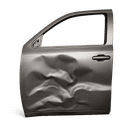
Physical Damage
Can help pay to repair or replace your own truck after an accident, fire, theft, or vandalism.
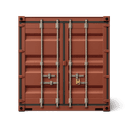
Cargo Coverage
May pay for damage to or theft of the freight you are hauling while it is in your care.
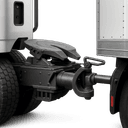
Trailer Interchange
Can help cover damage to trailers you haul under an interchange agreement but do not own.

Bobtail Coverage
May provide liability protection when you drive your tractor without a trailer attached, such as after dropping off a load.

Non-Trucking Liability
Can help cover accidents that happen when you use your truck for personal errands rather than dispatched work.
Commercial Truck Insurance Cost in Norfolk
Average Cost in Virginia
$350 - $1,025
per month
Businesses in Virginia typically see commercial truck insurance premiums of $350 - $1,025 per month, which tends to run 10% below the national range of $400 - $1,125 per month.
- Radius of operation
- Commodities hauled and cargo value
- Number and value of power units
- Driver motor vehicle records and CDL experience
- DOT safety record, inspections, and FMCSA scores
- Liability limits and physical damage deductibles
Contact CPK Insurance for a personalized quote.
Prices shown are general estimates, not guaranteed rates or quotes. Your actual premium will depend on the insurer, coverage selected, business details, location, claims history, and other underwriting factors. Learn about our pricing methodology.
Virginia commercial truck insurance cost is shaped by the state's active market and by the specific risk profile of your operation. Pricing can vary widely per truck per month, while the broader product benchmark sits in a similar range per truck per month. That puts Virginia close to the national pattern, which fits the state's premium index of 96. In practical terms, you can expect Virginia premiums to land within a few percent of what you would pay in most other states. A quote can move up or down based on coverage limits and deductibles, claims history, location, industry or risk profile, and policy endorsements.
Hurricanes, flooding, severe storms, and winter storms all appear in the state risk profile. Recent disaster history includes severe storms and tornadoes in 2024, a hurricane or tropical storm event in 2023, spring flooding in 2022, and an ice storm in 2021. That risk environment can influence underwriting for fleets that stage equipment in coastal areas, move freight through flood-prone routes, or park tractors and trailers in open yards.
Claims behavior also matters. Virginia's average claim cost is $22,700. A single at-fault accident at that level can exhaust low liability limits, so model your out-of-pocket exposure before you pick a deductible. Reckless driving, lane departure, drowsy driving, weather conditions, and following too closely are among the top accident causes in Virginia. Those trends can affect pricing for long-haul and regional trucking more than for short-radius local work. Because Virginia has a large and active insurance market, you may see meaningful variation in a quote, especially when comparing carriers, deductibles, and endorsements.
Industries & Insurance Needs in Norfolk
Local delivery density is the business pattern that matters most. In the county containing Norfolk, the leading sectors by establishment share are retail trade at 14.1%, health care and social assistance at 12.9%, and professional, scientific, and technical services at 11.8%, so many trucking risks here come from repeated stops, time-sensitive deliveries, and work around customer premises rather than long uninterrupted highway runs. That should change what you ask for in a quote. If you serve stores, clinics, offices, or mixed commercial accounts, describe loading practices, parking conditions, driver schedules, and whether you carry equipment or customer property with the load. A policy built around regional linehaul assumptions can miss the claim patterns that show up on short urban routes, especially backing losses, minor collisions, and cargo issues tied to frequent handling.
What Makes Norfolk Different
Port and short-haul density is what changes the calculus here. In many markets, a truck policy is mainly priced and reviewed around highway exposure. Here, a lot of the real risk sits in the handoffs. Terminal pickups, warehouse queues, receiver deadlines, and repeated maneuvering through commercial streets all add up to more chances for a small incident to interrupt the whole day.
That means your insurance review should start with dispatch reality. Think through how many stops each unit makes, where it parks between jobs, what cargo or equipment stays on the truck, and how often drivers back into tight spaces. If your current policy was set up when you were running fewer stops or different freight, ask for a fresh review of vehicle schedules, stated radius, driver list, and any gap between what your certificates show and how your trucks actually work.
Our Recommendation for Norfolk
If one truck handles port pickups in the morning and retail or medical deliveries later, ask for that mixed use to be reflected clearly in the application. Review physical damage deductibles against what a few days of downtime would cost your business, not just what feels comfortable on paper.
If you park near busy commercial corridors or customer sites, ask how unattended vehicle situations, trailer interchange, and cargo theft conditions are handled, depending on your policy terms. With Norfolk's median household income at $64,017, many of your customers run on thin margins where a delayed or damaged shipment can strain their cash flow and push them toward a competitor. Before you request a quote, gather your vehicle list, garaging addresses, driver details, typical commodities, and the contracts that require certificates. Then compare the quote against your actual stop pattern and storage habits.
Get Commercial Truck Insurance in Norfolk
Enter your ZIP code to compare commercial truck insurance rates from carriers in Norfolk, VA.
Business insurance starting at $25/mo
FAQ
Frequently Asked Questions
Norfolk routes often combine port-adjacent traffic, short delivery runs, and repeated backing at customer locations, so the policy review should focus on stop frequency, parking, cargo handling, and downtime exposure, not only highway mileage or basic liability filings.
Be ready to share your garaging location, operating radius, commodities, trailer use, and whether the truck moves between terminals, stores, or medical receivers. That information lets the quote reflect how the unit is actually dispatched each week.
Norfolk's roughly 5,400 business establishments mean many truck operators here deal with frequent vendor stops and certificate requests. It is worth reviewing liability limits, additional insured requests, and cargo terms before contracts renew.
Retail trade leads Norfolk's economy at 14.1%, followed by health care and social assistance at 12.9% and professional, scientific, and technical services at 11.8%. Your drivers are likely backing into loading docks at retail stores, waiting in queues at medical facilities, and navigating office parks where foot traffic is heavy.
It makes sense to re-shop when routes change, a truck is added, commodities shift, or contracts start requiring different certificates. A policy that fit regional hauling may need adjustment once the operation adds more local stops or denser delivery work.
Your policy can be built around motor carrier liability, physical damage, cargo coverage, trailer interchange, and protection for off-dispatch use. The mix depends on whether you run local, regional, or long-haul freight, and your policy should reflect how your authority and hauling arrangement actually work.
Virginia's commercial auto minimums are $50,000/$100,000/$25,000 (raised effective January 1, 2025), but trucking buyers often need higher liability limits because freight contracts and hauling arrangements can require more than the state minimum.
Cost per truck in Virginia varies by limits, deductibles, claims history, location, risk profile, and endorsements. Average pricing runs about $350 to $1,025 per truck per month, though your actual quote depends on your specific operation and freight profile.
Sources
- 1.U.S. Census Bureau, County Business Patterns, Norfolk city(The county containing Norfolk has 5,400 business establishments, so a lot of local trucking work involves frequent stops, vendor requirements, and proof of coverage before freight is released or a service contract is renewed.; In the county containing Norfolk, the leading sectors by establishment share are retail trade at 14.1%, health care and social assistance at 12.9%, and professional, scientific, and technical services at 11.8%, so many trucking risks here come from repeated stops, time-sensitive deliveries, and work around customer premises rather than long uninterrupted highway runs.)
- 2.U.S. Census Bureau, ACS 5-Year Estimates, table B19013(Norfolk median household income is $64,017, so missed deliveries and repair delays can quickly affect both payroll pressure and customer retention for a small operator.)
Updated July 16, 2026





