







































Updated July 16, 2026

Dealer Open Lot Insurance in Norfolk
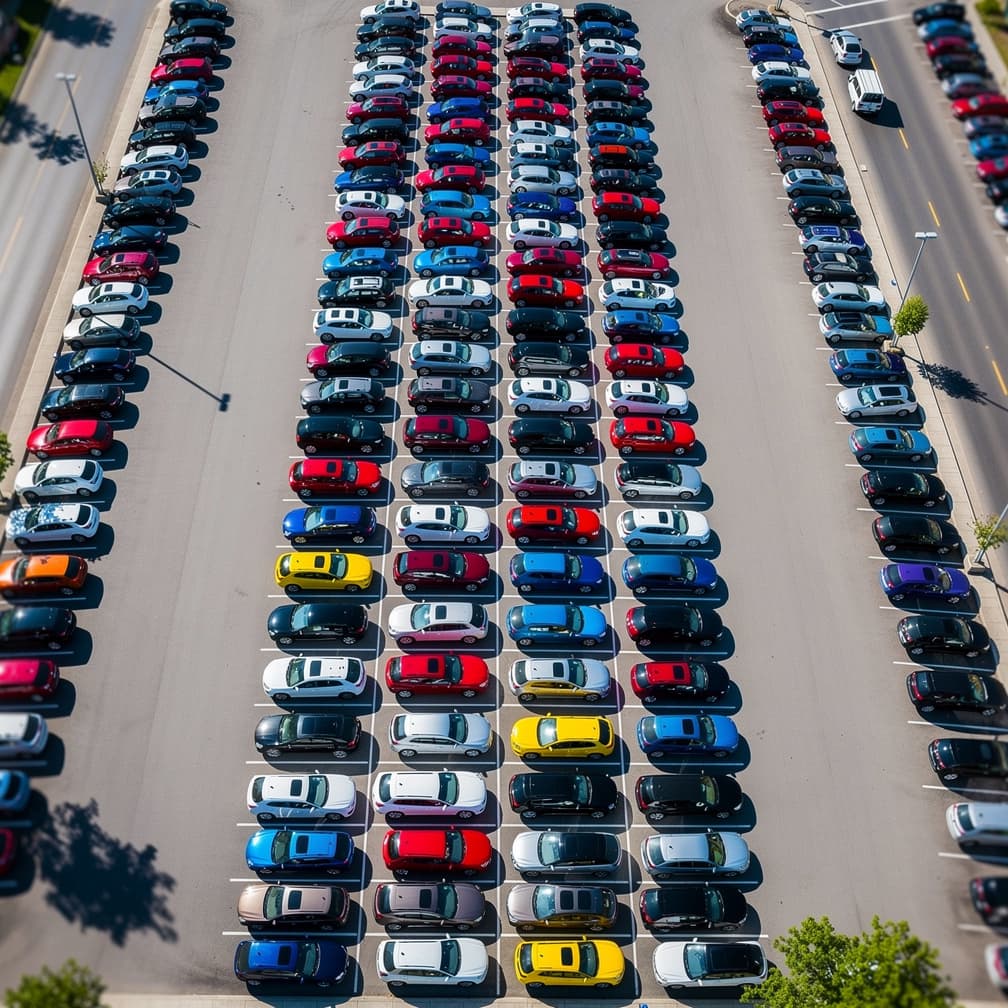
You may be merchandising vehicles on a compact paved lot near a commercial corridor, storing fresh trades at a second address, and sending buyers out on short test-drive loops that cross busy local connectors before they return to sign. Your policy should be reviewed around that operating pattern, not just around a unit count. A small independent store here often depends on steady walk-in traffic, nearby service relationships, and quick inventory turns. That means a gap between the front line, overflow storage, and where keys are actually controlled can matter more than it looks on paper. Norfolk households report a median income of $64,017, so a meaningful share of your buyers are shopping monthly payment first. That payment pressure can leave you carrying older cash cars alongside newer financed inventory at the same time. Bring your lot diagram, address list, and current inventory mix into the quote review.
Dealer Open Lot Insurance Risk Factors in Norfolk
Local weather exposure is the part to pressure-test here. The Virginia page already covers the broader coastal issue, but at the lot level you still need to ask how water, wind, and temporary vehicle concentration affect this specific address and any overflow location. If units are packed tightly before a weekend sales push, moved off-site during paving or construction, or staged on lower pavement after an auction delivery, your exposure changes even if your average inventory count does not. Review whether the policy schedule matches **every place vehicles are stored**, whether transit between addresses creates any reporting issue, and how quickly newly acquired units need to be added to your records. If your operation relies on outdoor display space with limited barriers, also review key control, lighting, camera placement, and where high-value units are parked after hours. The useful next step is simple: walk the lot and any secondary storage area with your current schedule in hand, then correct anything that does not match real operations.
Virginia has a moderate climate risk rating. Top hazards: Hurricane (High), Flooding (High), Severe Storm (Moderate), Winter Storm (Moderate). The state's expected annual loss from natural hazards is $1.2B, which influences dealer open lot insurance premiums and may affect coverage availability in high-risk areas.
What Dealer Open Lot Insurance Covers
In Virginia, the useful coverage conversation usually starts with location and movement, not a generic description of inventory risk. A dealer near the coast may need closer review of wind-driven weather exposure, while an inland operation may focus more on hail, falling objects, runoff, or theft after business hours. If you rotate units between a front sales lot, a reconditioning area, and an overflow parcel, those details matter because the policy needs to follow how inventory is actually stored and handled.
It is also worth reviewing how the form treats vehicles during ordinary dealership activity. That includes units parked tightly for display, vehicles moved for service or detailing, and inventory shifted to temporary storage during lot work or peak buying periods. When your operation depends on offsite storage, ask whether every address is scheduled correctly and whether any sublimits or conditions apply away from the main premises. A quote that ignores those details can leave you sorting out location questions after a loss instead of before one.
Virginia weather patterns make cause-of-loss wording worth reading carefully. Rather than assuming broad language means every outdoor exposure is handled the same way, ask your agent to walk through named causes of loss, exclusions, deductibles, and any special treatment for flood-prone or wind-exposed locations. If your lot sits near trees, low-lying pavement, or older fencing, mention that during quoting so protective measures and site conditions are reflected accurately.
The Virginia Bureau of Insurance regulates insurance in the state. In practical terms, that means the policy forms, endorsements, and rate structures carriers use here have been filed with and approved by a state agency. For you, that means if a dispute arises over claim handling or policy wording, you have a formal complaint channel and a set of standards the carrier must meet. When you compare forms or endorsements, you are comparing documents that operate within that framework.
Coverage Included

Weather Damage
Covers hail, wind, flood, and storm damage to lot inventory.
Theft Protection
Covers vehicles stolen from your lot.
Fire Damage
Covers fire and explosion damage to inventory vehicles.

Vandalism
Covers intentional damage to vehicles on your lot.
Test Drive Coverage
Covers vehicles during customer and employee test drives.
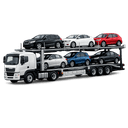
Transit Coverage
Covers vehicles being moved between lot locations.
Industries & Insurance Needs in Norfolk
County business density is one reason this market can create more day-to-day movement than a dealer expects. The county containing Norfolk has 5,400 business establishments, and its leading sectors by establishment share are retail trade at 14.1%, health care and social assistance at 12.9%, and professional, scientific, and technical services at 11.8%. That mix matters because it can translate into weekday traffic from employees, service vendors, and nearby commercial neighbors, not just destination shoppers. For a dealer, that means your exposure review should look beyond sales volume and focus on how inventory is displayed, where customer parking overlaps with sale units, and whether vehicles are ever staged off the main line to keep the frontage presentable. If your lot sits near other active commercial users, ask for a quote built around actual ingress, egress, and storage patterns rather than a simplified one-address assumption.
What Makes Norfolk Different
In a market where many dealers work with limited frontage, shared commercial surroundings, and occasional overflow storage, the real question is not simply how many vehicles you own for resale. It is how often those vehicles shift between display, back-line storage, service-ready staging, and temporary off-site parking while still remaining your responsibility. That creates a documentation problem as much as an insurance problem. If your schedule, address list, and inventory reporting lag behind what your staff is doing on the ground, a claim review gets harder at exactly the wrong time. A city-specific review forces you to match coverage to the way your lot actually functions this month, not the way it looked when the policy first incepted. Begin with the addresses, overnight parking pattern, and key-handling routine, then make sure the quote follows those facts.
Our Recommendation for Norfolk
Start your review with a current inventory export and a simple map of every place sale units can spend the night. If vehicles rotate between the main lot, a nearby overflow area, a reconditioning space, or a separate storage address, say that early so the quote is built around real movement. Next, separate your highest-value units from older cash cars in the discussion, because concentration and storage pattern can matter as much as total count. If customer test drives begin from one address but paperwork or detailing happens at another, note that too. You should also ask how newly acquired units are handled administratively, especially during busy buying weeks when a trade or auction purchase may sit before your records catch up. If any lease, lender, or floorplan party wants proof of coverage, line up those requirements before binding so the documents match the named insured, addresses, and loss payee details you actually need.
Get Dealer Open Lot Insurance in Norfolk
Enter your ZIP code to compare dealer open lot insurance rates from carriers in Norfolk, VA.
Business insurance starting at $25/mo
FAQ
Frequently Asked Questions
List every address where sale units are stored overnight, even if a secondary space is used only during busy weeks. That gives the quote a better chance of matching real exposure instead of assuming all inventory stays on one lot.
Norfolk households report a median income of $64,017, so many buyers shop by monthly payment rather than sticker price. Dealers often respond by carrying a wider mix of older cash cars and newer financed units, and that spread affects where higher-value inventory should sit and how keys are controlled.
Norfolk's county has 5,400 business establishments, so your lot likely sees steady weekday traffic from vendors, neighbors, and customers moving through or past your display area. Pay attention to ingress, egress, customer parking overlap, and where inventory is staged during the day.
Norfolk's county industry mix includes retail trade at 14.1%, health care and social assistance at 12.9%, and professional, scientific, and technical services at 11.8%. In plain terms, your neighbors generate daytime foot and vehicle traffic, so storage and display patterns deserve a closer look.
You usually do not need to lead with the regulator in a quote conversation, but if a form or filing question comes up, Virginia uses the Virginia Bureau of Insurance. Your bigger task is making sure addresses, inventory handling, and documents match operations.
Yes, if vehicles are stored away from your main sales lot. Get that overflow address reviewed during quoting so your policy reflects where inventory actually sits, especially when values shift between locations during busy periods.
Virginia coastal locations can change how underwriters look at wind, water-related exposure, deductibles, and site protection. If your lot is near the coast, ask for a location-specific review instead of assuming the same terms used for an inland address.
Virginia insurance is regulated by the Virginia Bureau of Insurance. If you are comparing policy forms, endorsements, or complaint procedures, keep your review tied to Virginia-regulated terms and documentation.
Sources
- 1.U.S. Census Bureau, ACS 5-Year Estimates, table B19013(Norfolk households report a median income of $64,017, so many buyers are payment-sensitive and may shop across price bands.)
- 2.U.S. Census Bureau, County Business Patterns, Norfolk city(The county containing Norfolk has 5,400 business establishments.; The county containing Norfolk's leading sectors by establishment share are retail trade at 14.1%, health care and social assistance at 12.9%, and professional, scientific, and technical services at 11.8%.)
- 3.Virginia Bureau of Insurance(Virginia uses the Virginia Bureau of Insurance.)
Updated July 16, 2026





