







































Updated July 16, 2026

Garage Keepers Insurance in Norfolk
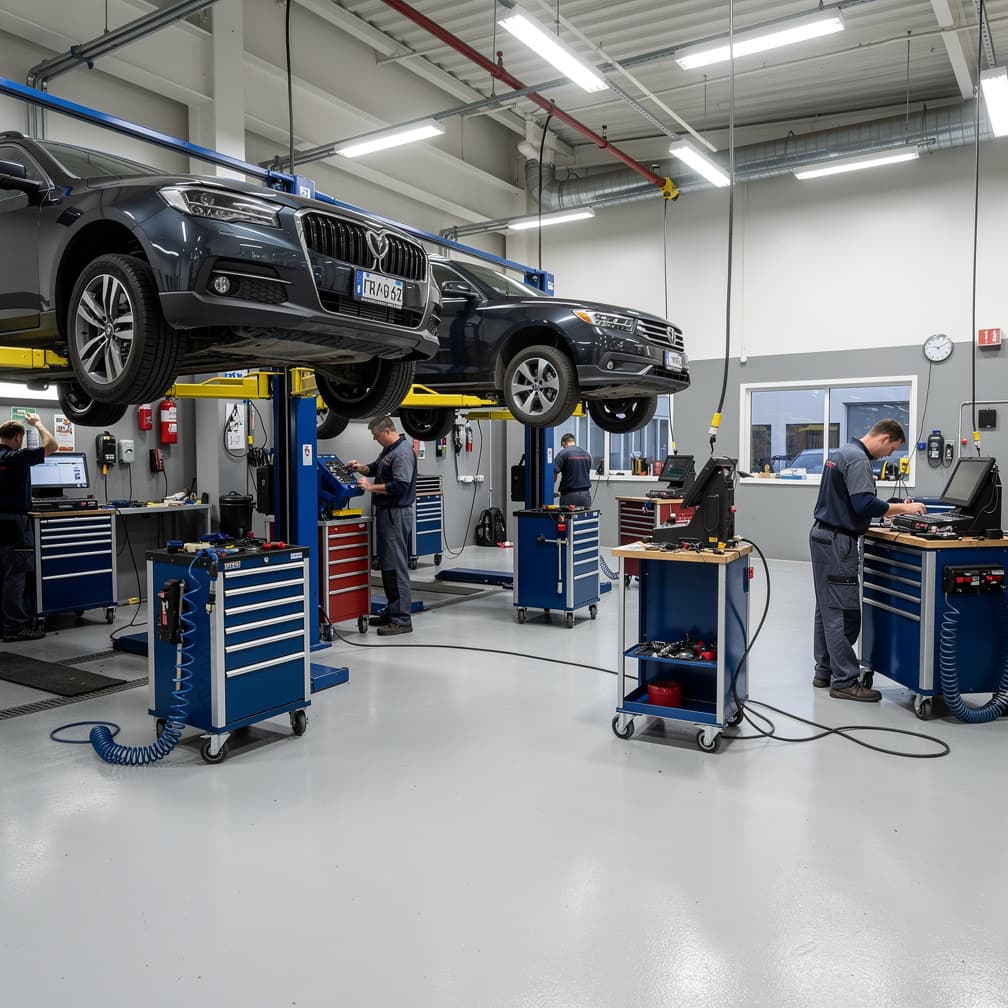
Retail trade leads the county containing Norfolk at 14.1% of business establishments, followed by health care and social assistance at 12.9% and professional, scientific, and technical services at 11.8%. Many vehicles you service belong to owners who need them back on the floor or the road the same day. Local shops often handle the vehicles that keep storefronts staffed, home health visits moving, and service calls on schedule. If a customer car, van, or light truck sits on your lot waiting for parts, pickup, or a scheduling gap, the interruption lands on a working household or a business owner who needs that unit back fast. Across roughly 5,400 business establishments, you are not just storing vehicles. You are often holding equipment that supports daily revenue for nearby clients. When you present your operation to underwriters, describe where vehicles are kept after hours, how keys are controlled, when units are moved between service bays and parking areas, and whether higher-use commercial vehicles tend to stay overnight.
Garage Keepers Insurance Risk Factors in Norfolk
Norfolk's top risk factors include Flooding, Hurricane damage, Coastal storm surge, and Wind damage.
Virginia has a moderate climate risk rating. Top hazards: Hurricane (High), Flooding (High), Severe Storm (Moderate), Winter Storm (Moderate). The state's expected annual loss from natural hazards is $1.2B, which influences garage keepers insurance premiums and may affect coverage availability in high-risk areas.
What Garage Keepers Insurance Covers
The useful question is which parts of your operation create the highest chance of a customer vehicle loss while it is parked, stored, waiting for parts, or being moved around your premises. That is where the state difference layer matters.
Start with your property layout. If your business uses a fenced outdoor lot, a rear storage area, street-side parking, or multiple buildings, tell the agent exactly how vehicles are staged during the day and after closing. A carrier will want to understand whether cars are left in open rows, boxed in by other units, or moved several times before delivery. Those details affect how a claim is investigated and how your limits should be reviewed.
Then look at your intake and release process. In many Virginia operations, vehicles arrive before the office opens, stay after work is complete, or remain on site while owners wait on approvals or parts. That means your exposure is not limited to active repair time. It includes the hours when a vehicle is simply sitting on your lot and your staff may not be present in the same way they are during business hours.
You should also review any operation that mixes service work with towing, impound, detailing, dealer service, or seasonal storage. Those combinations can create different key-control, lot-control, and documentation issues than a single-bay repair shop. If your business handles higher-value vehicles, classics, fleet units, or trucks with attached equipment, ask for wording and limits to be reviewed against those specific vehicle types before binding coverage.
Coverage Included
Collision Coverage
Covers damage to customers' vehicles from collisions while in your care.

Comprehensive Coverage
Covers theft, vandalism, fire, and weather damage to customers' vehicles.

Specified Perils
Covers only specifically named perils at a lower premium.

Legal Liability
Covers damage you or your employees directly cause to a customer's vehicle.

Direct Primary
Pays regardless of fault, the broadest garage keepers coverage available.
What Makes Norfolk Different
Many customer vehicles in the Norfolk area are tied to work schedules rather than occasional personal use. A delayed release after damage or theft may sideline a delivery route, a clinician's home-visit schedule, or a field service appointment calendar. You can help underwriters by showing whether you mainly service commuter cars, work vans, or a blend. Tell them how often vehicles remain in your care overnight or through weekends. If your lot layout forces customer units to be staged outdoors before pickup, say so directly and ask your agent to review limits against your peak vehicle count, not your average day.
Our Recommendation for Norfolk
If your book includes retail workers, health care staff, or professional service fleets, consider requesting a quote that reflects the kinds of vehicles you actually hold and the times they tend to accumulate. Norfolk median household income is $64,017, meaning a typical household earns about $64,000 per year. For many families, a personal vehicle is essential to getting to work and running errands, so even a short delay after a loss can disrupt daily life. Review your deductibles, claims handling expectations, and whether your limits still fit the number of customer units that can sit on site before and after the workday. Map your after-hours process in plain language: where vehicles are parked, who can move them, how keys are secured, and what happens when pickup is delayed. If any part of that process has changed, update it before you request terms so the quote matches your operation as it stands today.
Get Garage Keepers Insurance in Norfolk
Enter your ZIP code to compare garage keepers insurance rates from carriers in Norfolk, VA.
Business insurance starting at $25/mo
FAQ
Frequently Asked Questions
Norfolk area demand is shaped by the county's business mix. Retail trade leads at 14.1%, followed by health care and social assistance at 12.9% and professional services at 11.8%. Tell underwriters whether you hold commuter cars, work vans, or both, so they can price the risk accurately.
It is worth mentioning directly. Across roughly 5,400 business establishments, customer vehicles often support daily work, so overnight accumulation can carry real operational consequence. You can list your peak vehicle count, where units are parked, and how keys are controlled.
Norfolk households have a median income of $64,017, which suggests many customer vehicles are core transportation for work and family routines. That makes it worth reviewing whether your deductible and limit choices fit the disruption a loss could cause.
Underwriters want specifics, not generalities. You can explain your mix of personal vehicles and light commercial units, whether cars stay after hours, how vehicles move between bays and parking, and what security steps apply when pickup is delayed.
In many cases, yes. Garage liability and garage keepers address different exposures, and a customer vehicle sitting on your lot may not fall under the same protection your liability policy provides.
The Virginia Bureau of Insurance handles licensing, consumer information, and complaint resources. You can check a provider's standing there before moving forward.
Showing exactly where vehicles are stored, who can move them, how keys are secured, and how long units stay overnight makes the risk easier for an underwriter to evaluate.
It can, because carriers look closely at where customer vehicles sit, how long they remain there, and what controls protect them after hours. Be ready to explain fencing, lighting, cameras, and overflow procedures.
Sources
- 1.U.S. Census Bureau, County Business Patterns, Norfolk city(Retail trade is the largest business sector in the county containing Norfolk, at 14.1% of establishments, ahead of health care and social assistance at 12.9% and professional, scientific, and technical services at 11.8%.; In a county with 5,400 business establishments, you are not just storing vehicles, you are often holding equipment that supports daily revenue for nearby clients.)
- 2.U.S. Census Bureau, ACS 5-Year Estimates, table B19013(Norfolk median household income is $64,017, so many personal vehicles you service are essential household assets, not easy-to-replace extras.)
Updated July 16, 2026





