
Updated July 16, 2026

Builders Risk Insurance in Richmond
If you are renovating an older house in the Fan, improving a rowhome in Church Hill, or building infill where materials may sit on a tight site before installation, you probably need a builders risk policy shaped around your actual project. Richmond's median home value is $328,100, meaning a modest residential build can tie up more capital than many owners expect before the job is done. Before you request terms, take time to pin down the completed value, temporary structures, and any allowance for materials stored off site or delivered in phases. Lenders and owners care about these numbers because framing, mechanicals, and finish materials can land on site quickly and shift the budget. If your job involves a historic shell, partial occupancy planning, or a phased rehab, ask for a quote built around the actual construction sequence, not a generic new-build assumption.
Builders Risk Insurance Risk Factors in Richmond
Richmond's local risk story is less about a single city-only hazard and more about how work is staged on older urban lots and renovation-heavy properties. On a tight infill site, materials may be delivered in smaller batches, stored in limited space, or left exposed between trades for longer than they would be on a suburban tract build. That can change how you review theft, vandalism, water damage during construction, and the policy's treatment of temporary protection measures. The city also has a large stock of older homes and mixed-use buildings, which means renovation projects often uncover hidden conditions after demolition starts. That does not automatically change coverage, but it does mean you should confirm the insured value tracks the real rebuild and renovation budget as the scope develops. If your project includes a historic structure, partial gut, or addition tied into an existing building, ask how the policy handles **existing structure exposure** and whether separate property coverage needs to be reviewed.
Virginia has a moderate climate risk rating. Top hazards: Hurricane (High), Flooding (High), Severe Storm (Moderate), Winter Storm (Moderate). The state's expected annual loss from natural hazards is $1.2B, which influences builders risk insurance premiums and may affect coverage availability in high-risk areas.
What Builders Risk Insurance Covers
A ground-up build outside a dense downtown corridor is underwritten differently from an addition on an occupied property, and a phased renovation gets different treatment than a shell project waiting on interior trades.
For many buyers, the key question is not whether builders risk exists, but which categories of property need to be scheduled or confirmed before work starts. That can include installed work, materials waiting at the site, and in some cases property in transit or at temporary storage, depending on the form and endorsements offered. If your project relies on long lead items, imported components, custom millwork, or equipment that arrives well before installation, ask for those exposures to be addressed directly instead of assuming they are picked up automatically.
You also want to review how the policy handles soft cost needs, delay-sensitive financing, and the practical realities of weather exposure. Virginia projects can face wind, heavy rain, and other natural hazard conditions that make site protection, water control, and temporary enclosures more than a routine checklist item. If the work involves an existing structure, ask where coverage begins and ends between new work, existing property, and any owner-furnished materials.
Before binding, compare the covered property description against your schedule of values, delivery plan, and contract exhibits. If any category of property is important enough to delay the job if lost, it is important enough to review in writing.
Coverage Included

Structure Coverage
Covers the building or structure under construction.

Materials on Site
Covers building materials stored at the construction site.

Materials in Transit
Covers materials being transported to the job site.
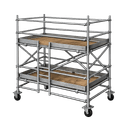
Temporary Structures
Covers scaffolding, fencing, and temporary buildings.

Soft Costs
Covers additional expenses from construction delays due to covered losses.

Equipment Coverage
Covers permanently installed fixtures and equipment.
What Makes Richmond Different
Property value concentration is the main thing that changes the builders risk decision here. Richmond's median household income is $62,671, and a major rehab can cost several times that figure. When construction costs dwarf what a household earns in a year, owners, lenders, and investors have a lot riding on the outcome relative to available cash. One fire or theft mid-construction can erase months of progress and leave the owner without funds to rebuild. That is why limit selection matters so much on local rehabs, additions, and custom builds. Understating completed value can leave a gap that only surfaces after a loss interrupts the schedule and forces a revised budget. Overgeneralizing the project as standard new construction can also mean missing how renovation sequencing, existing structure tie-ins, or staged material deliveries affect the policy review.
Our Recommendation for Richmond
Start with the construction budget you can defend on paper, then compare it against the real completed value and the way the job will unfold. In Richmond, that is especially important on renovations, additions, and infill projects where demolition, structural correction, and finish work may happen in uneven phases. When materials will be stored away from the site, delivered in stages, or installed long after purchase, ask for those details to be reviewed before binding. Projects involving a historic home, mixed-use property, or work attached to an existing structure should say that plainly in the quote request instead of letting the submission read like a clean ground-up build. The county containing Richmond has 6,441 business establishments, with professional, scientific, and technical services making up 14.7%, retail trade 12.1%, and other services 11.6%. That mix means your project will likely involve architects, consultants, and specialty vendors who expect documentation to line up early. Have your contract values, lender requirements, and named insured structure ready before you request terms.
Get Builders Risk Insurance in Richmond
Enter your ZIP code to compare builders risk insurance rates from carriers in Richmond, VA.
Business insurance starting at $25/mo
FAQ
Frequently Asked Questions
Older homes can involve phased demolition, hidden conditions, and tie-ins to existing structures that a standard new-build quote will not automatically account for. Ask whether the quote is being built as a renovation rather than a standard new build, and confirm the completed value reflects the real scope.
Describe the actual site conditions, delivery schedule, and storage plan. Tight lots, staged material drops, and attached or nearby structures can all affect what needs to be reviewed before coverage is placed.
Residential projects here can put substantial value at risk during construction, even when the footprint looks modest on paper. Use that as a cue to review completed value carefully, especially on additions, major remodels, and custom finish work.
Financed rehabs and consultant-led work tend to pull several decision makers into the conversation early. Expect documentation requests to come quickly from lenders, owners, architects, or project managers before funds or work move.
Check who must buy the policy, which parties need to be named, what value must be insured, and when proof is due to the lender. Those points affect whether the quote will actually satisfy the project requirements.
Yes. Review storm exposure in operational terms, especially site security, temporary enclosures, water control, and material storage before dry-in. Those details can affect underwriting and can determine whether the policy fits how the job is actually built.
Owner-builders may be able to review builders risk options, but eligibility usually depends on project type, experience, and who is performing the work. It helps to prepare a clear scope, budget, timeline, and contractor breakdown before requesting terms.
Ask specifically whether stored materials, transit exposures, and temporary storage locations are addressed in the quote. Do that early in the process, especially if custom items or long lead materials would delay the project if they were damaged.
Sources
- 1.U.S. Census Bureau, ACS 5-Year Estimates, table B25077(Richmond's median home value is $328,100.)
- 2.U.S. Census Bureau, ACS 5-Year Estimates, table B19013(Richmond's median household income is $62,671.)
- 3.U.S. Census Bureau, County Business Patterns, Richmond city(The county containing Richmond has 6,441 business establishments, with professional, scientific, and technical services at 14.7%, retail trade at 12.1%, and other services at 11.6%.)
Updated July 16, 2026