Updated July 16, 2026

Builders Risk Insurance in Virginia Beach
The decision often lands here when plans are approved and the budget gets real, whether you are breaking ground on a custom home near Great Neck, finishing a retail build-out before a tenant opening, or adding outbuildings ahead of storm season. Builders risk insurance in Virginia Beach is usually less about a generic form and more about matching the policy to the property value, construction timeline, and where materials sit before they are installed. With a median home value of $366,300, even a modest residential build can put a meaningful amount of work in place at risk. Picture a single underinsured lumber delivery sitting in your driveway. You could be writing a five-figure check out of pocket to replace it. Local buyers also tend to feel the decision differently because the city's median household income is $90,685. Households at that level typically have the room to select premium materials, and a claim dispute over a high-end finish selection is money straight out of your margin if the valuation is wrong.
Builders Risk Insurance Risk Factors in Virginia Beach
Local weather timing is the practical difference. On projects near the shore, open roofs, staged materials, partially enclosed additions, and site fencing can all become more consequential when wind and heavy rain interrupt the build sequence. That does not change the basic purpose of builders risk, but it does change what you should verify before work starts. Review whether the policy valuation matches the project as it will exist during each phase, not just the original estimate. Ask how the form handles **materials stored off site, in transit, or in temporary on-site containers** if your contractor plans to order early to avoid delays. If your schedule runs through the most weather-sensitive part of the year, confirm the reporting process for change orders and timeline extensions so the policy term does not end while the job is still unfinished.
Virginia has a moderate climate risk rating. Top hazards: Hurricane (High), Flooding (High), Severe Storm (Moderate), Winter Storm (Moderate). The state's expected annual loss from natural hazards is $1.2B, which influences builders risk insurance premiums and may affect coverage availability in high-risk areas.
What Builders Risk Insurance Covers
A ground-up build outside a dense downtown corridor is underwritten differently from an addition on an occupied property, and a phased renovation gets different treatment than a shell project waiting on interior trades.
For many buyers, the key question is not whether builders risk exists, but which categories of property need to be scheduled or confirmed before work starts. That can include installed work, materials waiting at the site, and in some cases property in transit or at temporary storage, depending on the form and endorsements offered. If your project relies on long lead items, imported components, custom millwork, or equipment that arrives well before installation, ask for those exposures to be addressed directly instead of assuming they are picked up automatically.
You also want to review how the policy handles soft cost needs, delay-sensitive financing, and the practical realities of weather exposure. Virginia projects can face wind, heavy rain, and other natural hazard conditions that make site protection, water control, and temporary enclosures more than a routine checklist item. If the work involves an existing structure, ask where coverage begins and ends between new work, existing property, and any owner-furnished materials.
Before binding, compare the covered property description against your schedule of values, delivery plan, and contract exhibits. If any category of property is important enough to delay the job if lost, it is important enough to review in writing.
Coverage Included

Structure Coverage
Covers the building or structure under construction.

Materials on Site
Covers building materials stored at the construction site.

Materials in Transit
Covers materials being transported to the job site.
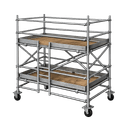
Temporary Structures
Covers scaffolding, fencing, and temporary buildings.

Soft Costs
Covers additional expenses from construction delays due to covered losses.

Equipment Coverage
Covers permanently installed fixtures and equipment.
Industries & Insurance Needs in Virginia Beach
Commercial demand here is shaped by the county business base around Virginia Beach. County Business Patterns reports 11,777 business establishments in the county containing Virginia Beach, and the leading sectors by establishment share are professional, scientific, and technical services at 12.2%, retail trade at 12.1%, and accommodation and food services at 11.3%. That mix matters because many local projects are not ground-up industrial jobs. They are office build-outs, storefront renovations, restaurant refreshes, and tenant improvements where the construction value may be concentrated in interior finishes, equipment coordination, and a short handoff window. If that sounds like your project, ask for a builders risk review that matches phased occupancy, existing-structure concerns, and the value of materials that may arrive before installation, instead of assuming a one-size-fits-all property form will track the job correctly.
What Makes Virginia Beach Different
In this market, many projects are scheduled around tenant openings, seasonal household moves, and weather windows. The biggest mistake is usually not picking the wrong type of policy. It is a mismatch between the policy term and the way the job actually unfolds. A residential addition that starts with one completion target can stretch after permit revisions or material delays, while a retail or restaurant build-out can compress suddenly when the opening date cannot move. You should compare the planned start date, expected completion, delivery schedule, and any stored-material exposure against the policy period before binding.
Our Recommendation for Virginia Beach
Start with the construction budget you would actually need to rebuild the unfinished project from the ground up, not just the contract deposit or the amount already spent. For higher-value homes and substantial remodels, that means checking whether custom finishes, owner-supplied materials, and site preparation are reflected in the completed value. On commercial work, especially tenant improvements, ask whether the form is written for the party that carries the real financial exposure and whether existing structures need separate attention. If materials arrive early, document the storage location and confirm coverage before installation. If timelines compress, know your extension options before the completion date slips. Send the address, project type, budget, start date, completion target, and contract insurance requirements together for a cleaner quote comparison.
Get Builders Risk Insurance in Virginia Beach
Enter your ZIP code to compare builders risk insurance rates from carriers in Virginia Beach, VA.
Business insurance starting at $25/mo
FAQ
Frequently Asked Questions
Home renovation projects should usually be insured to the value of the completed work at risk, not just the deposit already paid. With a median home value of $366,300, underestimating finishes or additions can leave a meaningful gap during construction. A single weather event could hit your project for a six-figure loss if your declared value does not match the true replacement cost.
Tenant improvement projects often need a builders risk review when interior construction value is substantial or materials arrive before installation. The local business mix includes retail trade at 12.1% and accommodation and food services at 11.3%. Roughly one in four local businesses operates in those two sectors, and competition for finished space is tight enough that a delayed opening can cost your tenant real revenue.
Before coverage starts, confirm where materials will be stored, how they move to the site, and whether temporary storage is scheduled before installation. Ordering early to keep a project moving through weather delays or supply interruptions can leave a gap if your policy does not extend to off-site or transit exposure.
Commercial renovations often run on opening dates that are hard to move, so policy term and extension options deserve early review. A short build schedule can change quickly if permits, inspections, or material deliveries shift after work begins.
Homeowners should start before the first delivery or demolition date, once the scope, address, and budget are stable enough to quote. The city's median household income is $90,685. At that level, homeowners are more likely to select premium finishes, and a standard policy limit may fall short of what it actually costs to replace custom cabinetry or imported tile.
Check who must buy the policy, which parties need to be named, what value must be insured, and when proof is due to the lender. Those points affect whether the quote will actually satisfy the project requirements.
Yes. Review storm exposure in operational terms, especially site security, temporary enclosures, water control, and material storage before dry-in. Those details can affect underwriting and can determine whether the policy fits how the job is actually built.
Owner-builders may be able to review builders risk options, but eligibility usually depends on project type, experience, and who is performing the work. It helps to prepare a clear scope, budget, timeline, and contractor breakdown before requesting terms.
Sources
- 1.U.S. Census Bureau, ACS 5-Year Estimates, table B25077(With a median home value of $366,300, even a modest residential build can put a meaningful amount of work in place at risk.)
- 2.U.S. Census Bureau, ACS 5-Year Estimates, table B19013(Local buyers also tend to feel the decision differently because the city's median household income is $90,685, which often means larger renovation budgets, higher finish selections, and less room for a claim dispute over what was supposed to be insured.)
- 3.U.S. Census Bureau, County Business Patterns, Virginia Beach city(County Business Patterns reports 11,777 business establishments in the county containing Virginia Beach, and the leading sectors by establishment share are professional, scientific, and technical services at 12.2%, retail trade at 12.1%, and accommodation and food services at 11.3%.)
Updated July 16, 2026