







































Updated July 10, 2026

Fabric Store Insurance in Washington
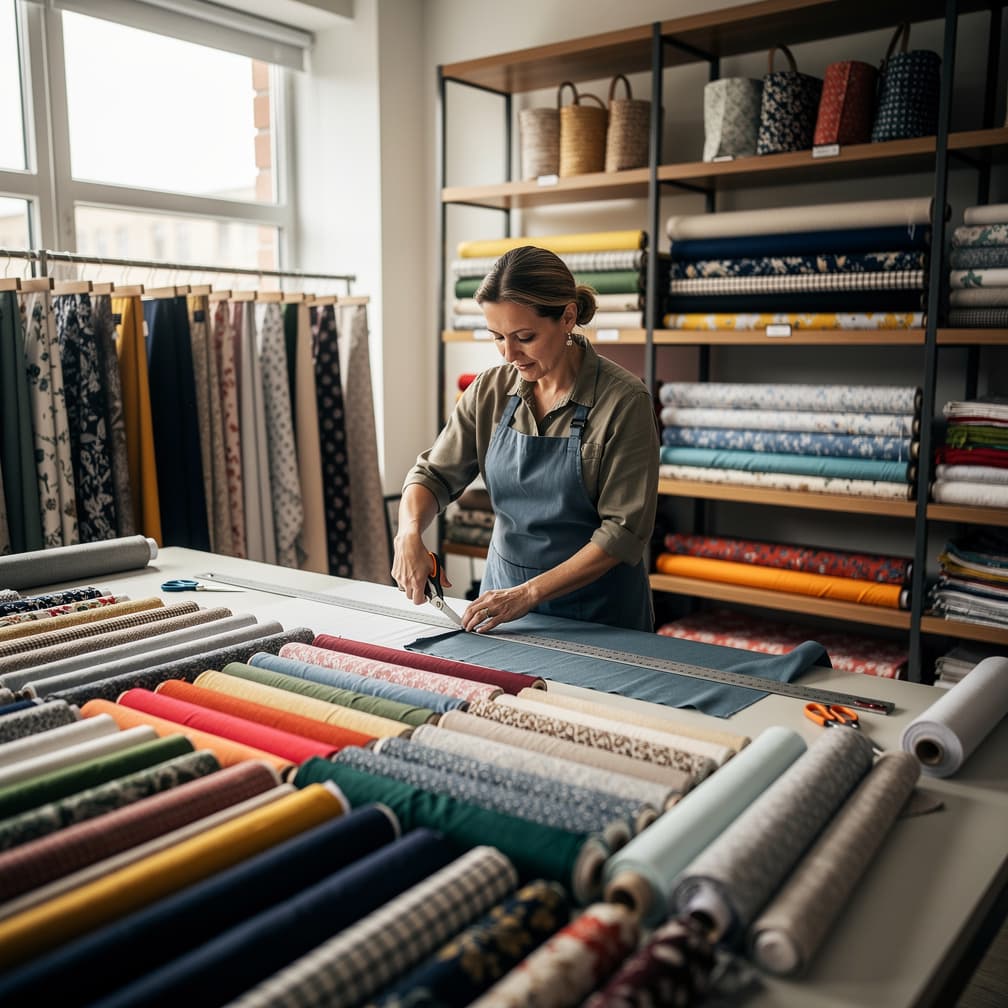
Running a fabric shop in Washington means managing a retail space where inventory can be dense, flammable, and expensive to replace, while customer traffic stays close to cutting tables, aisles, and display racks. A fabric store insurance quote in Washington should reflect those realities, not just a generic retail policy. In this market, business owners often look at liability coverage, property coverage, and bundled coverage together so the shop is protected from customer injury claims, building damage, fire risk, theft, and business interruption. Washington also adds practical pressure from weather and geography: earthquake exposure is very high, wildfire risk is high, and flooding can affect certain locations, so retail property coverage for fabric stores in Washington needs to be built with inventory and continuity in mind. If you are comparing a fabric shop insurance in Washington option, the key is to match premises protection for fabric stores in Washington with the way your store actually operates, from bolt storage to checkout flow to leased-space requirements.
Climate Risk Profile
Natural Disaster Risk in Washington
Understanding climate-related risks helps determine appropriate insurance coverage levels.
Earthquake
Very High
Wildfire
High
Volcanic Activity
High
Flooding
Moderate
Expected Annual Loss from Natural Hazards
$1.8B
estimated economic loss per year across Washington
Source: FEMA National Risk Index
Risk Factors for Fabric Store Businesses in Washington
- Washington earthquake risk can disrupt a fabric store’s property coverage needs, especially for inventory, shelving, and fixtures.
- Washington wildfire risk can raise the importance of fire risk planning for flammable fabric and textile inventory.
- Washington flooding can affect building damage, stored inventory, and business interruption for retail locations in lower-lying areas.
- Washington storm damage and wind-driven losses can create property damage concerns for storefronts, signage, and stock rooms.
- Washington vandalism and theft exposure can matter for fabric shops that keep high-value inventory, cutting tools, and display goods on site.
How Washington compares with the national baseline
Property crime per 100,000 residents
3,420 vs 2,200 baseline
Property crime in Washington runs above the national average, at 3,420 vs 2,200 incidents per 100,000 residents.
Blue bar: Washington. Gray line: national baseline.
How Much Does Fabric Store Insurance Cost in Washington?
Fabric Store Insurance is a bundle of separate policies, priced separately. The ranges below are typical figures for Washington for each line, except workers compensation, which is set by the state fund; a quote prices each one against your own operations.
| Coverage | Typical range | What moves your price |
|---|---|---|
| General Liability Insurance | $45 - $130 per month | Industry and risk classification, annual revenue, number of employees |
| Commercial Property Insurance | $100 - $330 per month | Building value and construction type, roof age and condition, fire protection class |
| Workers Compensation Insurance | Set by the state fund | Employee classification codes, total annual payroll, experience modification rate |
| Business Owners Policy Insurance | $95 - $290 per month | Annual revenue and industry class, building and contents values, square footage and building age |
Prices shown are general estimates, not guaranteed rates or quotes. Your actual premium will depend on the insurer, coverage selected, business details, location, claims history, and other underwriting factors. Learn about our pricing methodology.
What Washington Requires for Fabric Store Insurance
Non-compliance can result in fines, loss of contracts, and personal liability:
- Workers’ compensation is required in Washington for businesses with 1 or more employees, with exemptions for sole proprietors and partners.
- Many commercial landlords in Washington ask for proof of general liability coverage before a lease is finalized or renewed.
- A fabric store should be ready to show current policy declarations, limits, and effective dates when requesting a quote or binding coverage.
- If the shop uses vehicles for business purposes, Washington’s commercial auto minimums are $25,000/$50,000/$10,000, though this page focuses on retail coverage.
- Washington insurance matters are regulated by the Washington Office of the Insurance Commissioner, which is the main place to verify filing and consumer guidance.
| Requirement | What Washington law says |
|---|---|
| Auto liability minimums | $25,000/$50,000/$10,000 (bodily injury per person / per accident / property damage). These floors apply to personal and business vehicles alike; lenders and contracts often require more. |
| Workers compensation | Purchased from the Washington State Department of Labor & Industries (L&I), the state fund, rather than from private carriers. The rest of your business policies can still be shopped normally. |
| Where to verify | Washington Office of the Insurance Commissioner publishes current requirements, consumer guides, and license lookups. |
Get Your Fabric Store Insurance Quote in Washington
Compare rates from multiple carriers. Free quotes, no obligation.
Common Claims for Fabric Store Businesses in Washington
A customer trips near a fabric cutting station and the store faces a slip and fall claim with legal defense costs.
A fire starts in the retail space and damages flammable inventory, forcing the shop to replace stock and pause sales during cleanup.
A windstorm or earthquake-related event damages the storefront and inventory, creating a business interruption claim while repairs are underway.
Preparing for Your Fabric Store Insurance Quote in Washington
Business address, store size, and whether the location is leased or owned.
Estimated value of inventory, fixtures, equipment, and any specialty cutting or display equipment.
Number of employees and whether Washington workers’ compensation is required for the shop.
Current coverage needs for liability coverage, property coverage, bundled coverage, and any lease proof requirements.
Coverage Considerations in Washington
- General liability insurance for bodily injury, property damage, slip and fall, and other third-party claims tied to customer visits.
- Commercial property insurance for inventory, fixtures, shelving, and building damage, with attention to fire risk, storm damage, theft, and vandalism.
- Business owners policy insurance when a fabric retailer wants bundled coverage that combines liability coverage and property coverage in one policy structure.
- Workers’ compensation insurance for Washington shops with at least one employee, to address workplace injury, medical costs, lost wages, and rehabilitation under state rules.
What Happens Without Proper Coverage?
Textiles fail in ways other merchandise does not. Fabric absorbs smoke and water, so a small back-room fire or a leak from the suite next door can leave an entire wall of bolts unsellable even though nothing in your store burned. The loss is not one damaged item; it is weeks of inventory plus the sales that stop while the shop airs out, restocks, and reopens. A property limit set from a rough guess is usually the gap that shows up in that moment.
The hands-on nature of the store drives the liability argument. A shopper who reaches for a top-shelf bolt can bring the rack down with it, and one incident like that can produce medical bills, legal defense costs, and a nervous landlord all in the same week. Because staff cut and handle merchandise at the counter, allegations that your operations damaged a customer's belongings are also part of the picture.
Staffing is the third pressure point. Most fabric shops run lean, so when the one employee who handles receiving strains a back or takes a bad rotary-cutter cut, the store loses both a worker and its restocking capacity at once. Workers' compensation insurance addresses the claim itself, but the quote process is also where you surface how dependent the operation is on a few sets of hands.
Outside parties supply the final reason. Landlords routinely require proof of coverage before move-in or renewal, and craft fairs, markets, or class venues may ask for certificates before you participate. Sorting that out during a quote comparison is far easier than doing it against a deadline.
Recommended Coverage for Fabric Store Businesses
Based on the risks and requirements above, fabric store businesses need these coverage types in Washington:

General Liability
Essential coverage for every business, protect against third-party bodily injury, property damage, and advertising claims.

Commercial Property
Safeguard your business property, equipment, and inventory against damage and loss.

Workers Compensation
Help cover your employees' medical expenses and lost wages for work-related injuries and illnesses.

Business Owners Policy
Bundle property and liability coverage into one convenient, cost-effective policy for small businesses.
Fabric Store Insurance by City in Washington
Insurance needs and pricing for fabric store businesses can vary across Washington. Find coverage information for your city:
Insurance Tips for Fabric Store Owners
Review your stock values by category, especially if premium textiles, seasonal inventory, or special orders can change the amount of property at risk during the year.
Walk the sales floor as a customer would, noting narrow aisles, stacked bolts, floor displays, and cutting counter congestion that could increase liability exposure.
Separate building responsibility from business personal property responsibility in your lease, so you know whether the quote should focus on tenant improvements, contents, or the structure itself.
Describe employee duties in detail during the workers' compensation review, because receiving, ladder use, lifting, and repetitive cutting work affect how the operation is classified.
Compare a business owners policy against standalone property and liability options if your store has unusual inventory values, multiple locations, or class-based customer activity.
Keep an updated equipment list that includes cutting tables, shelving, point-of-sale hardware, computers, printers, and security devices, because small omissions can slow claim settlement after a loss.
FAQ
Frequently Asked Questions About Fabric Store Insurance in Washington
A Washington fabric store usually looks at liability coverage for customer injury or third-party claims, plus property coverage for inventory, fixtures, and building damage. Many owners also consider business interruption if a covered loss closes the shop.
Fabric store insurance cost in Washington varies based on store size, inventory value, location, claims history, and the coverage limits you choose. The state data provided shows an average premium range of $48 to $201 per month, but actual pricing varies.
Washington requires workers’ compensation for businesses with 1 or more employees, unless the owner qualifies for an exemption such as sole proprietor or partner status. Many landlords also ask for proof of general liability coverage before approving a lease.
Yes. Many fabric retailers request a bundled coverage quote through a business owners policy or separate general liability and commercial property policies. That approach can help align premises protection for fabric stores with inventory and customer-facing risk.
Fire coverage for fabric stores is usually part of commercial property insurance, but the exact terms depend on the policy. Because fabric and textile inventory can be highly flammable, it is smart to review how fire risk, storm damage, theft, and business interruption are handled before binding coverage.
Start from your own numbers rather than the quote documents: floor layout, inventory values, payroll, and lease terms. Then ask each option to reflect cutting operations, customer foot traffic, shelving density, and point-of-sale equipment so you are comparing coverage for your shop, not a generic retail setup.
Three claim types dominate: customer injuries on the premises, damage to someone else's property, and allegations tied to the condition of the store. The terms should fit how shoppers actually move, handling bolts in the aisles and gathering at cutting counters during busy stretches.
Usually yes, because a landlord's policy stops at the structure. Your bolts of fabric, notions, shelving, cutting stations, checkout systems, and any improvements you paid for sit outside it, and those contents are what keep the store selling.
Updated March 31, 2026