Updated July 16, 2026

Key Takeaways
- Gather your current declarations, endorsements, loss runs, vehicle schedule, and driver list before requesting quotes so you can compare terms side by side.
- Review whether you need cargo coverage, trailer interchange, bobtail coverage, or non-trucking liability based on your dispatch pattern and contracts.
- Compare physical damage deductibles and valuation terms before renewing, especially on financed tractors, trailers, or recently added units.
- Check every broker, shipper, lender, and lease agreement against your policy endorsements so certificate wording does not hide a coverage gap.
- Start your renewal review early enough to update drivers, units, garaging, and operating radius before underwriters price the account.
Commercial Truck Insurance in Washington
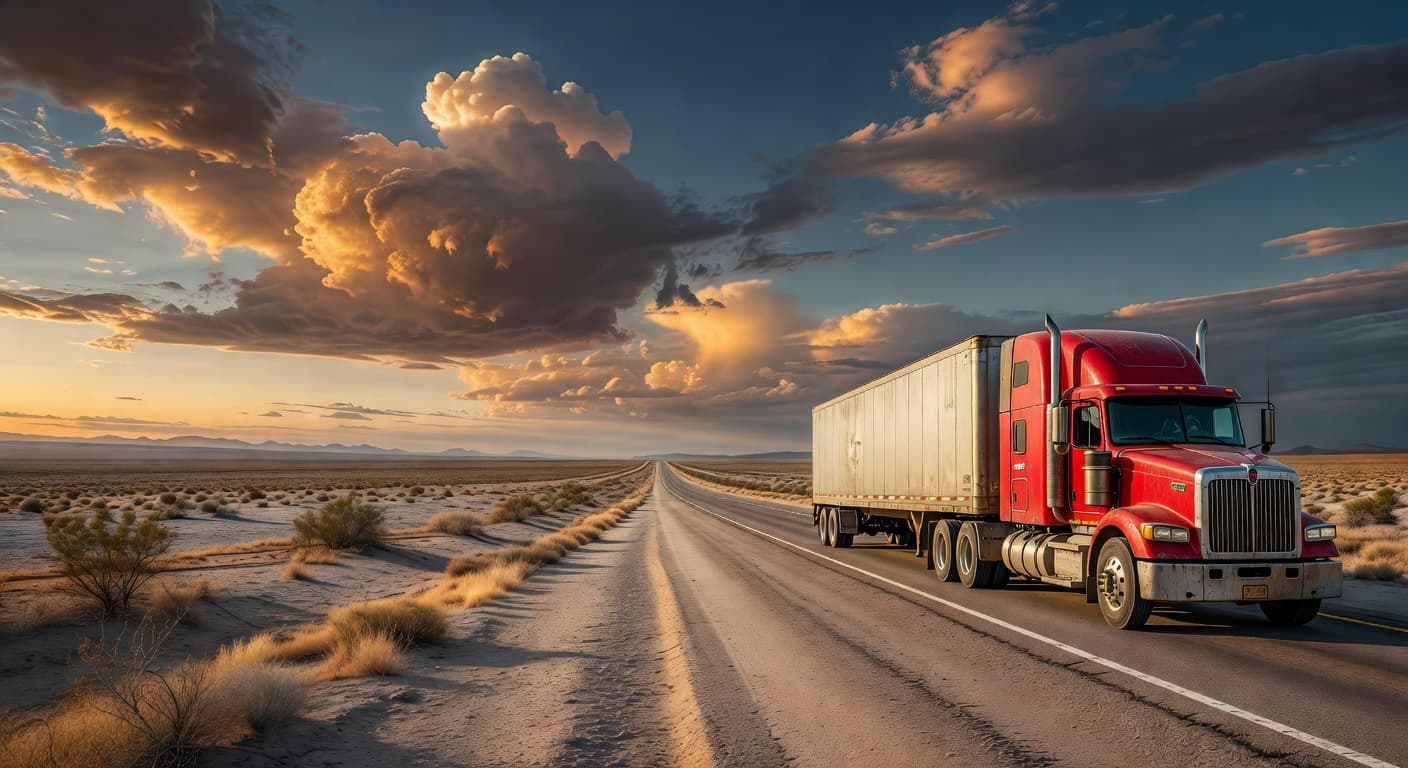
Commercial truck insurance in Washington is shaped by a market with 460 active insurers, above-average premiums, and a risk profile that includes drowsy-driving crashes, theft, and weather-related disruption. More carriers competing for your business means more appetite differences to compare, which can work in your favor when you shop the market. If you haul freight through Seattle traffic, move loads across I-5 near Tacoma, run deliveries around Spokane, or operate out of Olympia and the Port of Vancouver, your policy can help address where the truck sits, how it is used, and what cargo it carries. Washington's insurance environment is overseen by the Washington Office of the Insurance Commissioner, and that matters because carriers may price differently based on route exposure, claims history, and endorsements. The state's 2024 premium index is 112, meaning rates here tend to run about 12% above the national average, but the right coverage structure can still make the quote more workable for a single tractor, a regional box truck, or a small fleet. If you are comparing truck liability insurance in Washington, the specifics of your routes, cargo, and drivers directly shape what you pay.
What Commercial Truck Insurance Covers
Washington trucking policies are typically built around motor carrier liability, physical damage, cargo coverage, trailer interchange, bobtail coverage, and non-trucking liability insurance, with the exact mix depending on whether you are a long-haul carrier, a regional delivery operation, or an owner-operator. The state does not replace federal trucking requirements, so many buyers still look at FMCSA liability expectations first, then layer Washington-specific carrier pricing and filing needs on top. For freight operations, motor carrier liability coverage can help cover accidents involving your truck while it is in service. Physical damage protection can help with repair or replacement after a collision, and that matters in Washington because average claim costs and theft exposure can push repair decisions quickly. Cargo coverage is usually a separate section and is important if you move goods through ports, warehouses, or cross-state lanes where theft or transit damage can interrupt a load. Trailer interchange coverage is relevant if you handle non-owned trailers under agreement, while bobtail coverage and non-trucking liability insurance are designed for off-dispatch driving situations. Underwriters also weigh how your routes, vehicle class, and daily usage interact with local crash and theft data.

Motor Carrier Liability
Can help cover injuries and property damage your truck causes to others, a coverage federal regulators require most for-hire carriers to maintain.
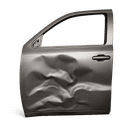
Physical Damage
Can help pay to repair or replace your own truck after an accident, fire, theft, or vandalism.
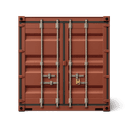
Cargo Coverage
May pay for damage to or theft of the freight you are hauling while it is in your care.
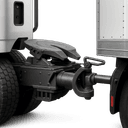
Trailer Interchange
Can help cover damage to trailers you haul under an interchange agreement but do not own.
Bobtail Coverage
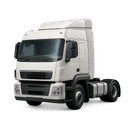
May provide liability protection when you drive your tractor without a trailer attached, such as after dropping off a load.

Non-Trucking Liability
Can help cover accidents that happen when you use your truck for personal errands rather than dispatched work.
Commercial Truck Insurance Requirements in Washington
- Washington's insurance market is regulated by the Washington Office of the Insurance Commissioner, so policy review should be aligned with state oversight and carrier filings.
- Washington commercial auto minimums are listed as $25,000/$50,000/$10,000, but trucking operations may need higher limits depending on freight, contracts, and federal requirements.
- Washington businesses with at least one employee generally have workers' compensation requirements, with exemptions for sole proprietors and partners, so trucking buyers often coordinate policies together.
- A long-haul fleet, regional delivery operation, and local hauling business may not need the same endorsement mix, so review your specific operation before you buy.
How Much Does Commercial Truck Insurance Cost in Washington?
Average Cost in Washington
$420 - $1,125
per month
Businesses in Washington typically see commercial truck insurance premiums of $420 - $1,125 per month, which tends to run 1% above the national range of $400 - $1,125 per month.
- Radius of operation
- Commodities hauled and cargo value
- Number and value of power units
- Driver motor vehicle records and CDL experience
- DOT safety record, inspections, and FMCSA scores
- Liability limits and physical damage deductibles
Contact CPK Insurance for a personalized quote.
Commercial truck insurance in Washington typically costs about $420 to $1,125 per truck per month, though actual pricing varies widely based on the operation. Several local factors shape your pricing, including coverage limits and deductibles, claims history, location, industry or risk profile, and policy endorsements. In practical terms, a truck operating around Seattle, Tacoma, Spokane, or the I-5 corridor may see different pricing than a vehicle used in lower-traffic rural lanes. Washington's 2023 crash data also matters to underwriters, especially the high share of drowsy driving, following too closely, lane departure, and failure to yield among reported causes. Theft exposure is another local pricing factor, since vehicle theft is trending upward in the state. If your operation hauls higher-value freight, uses specialized equipment, or needs cargo coverage and trailer interchange, those endorsements can move the quote upward. Because 460 insurers compete in the state, your quote can vary widely by carrier appetite, truck class, and the way your policy is structured.
How Washington compares with the national baseline
Uninsured drivers
9.8% vs 11.6% baseline
About 9.8% of Washington drivers are estimated to be uninsured, below the 11.6% average across states.
Fatal crashes per 100 million miles
1.14 vs 1.33 baseline
Washington sees about 1.14 fatal crashes per 100 million miles driven, below the national average of 1.33.
Blue bar: Washington. Gray line: national baseline.
Prices shown are general estimates, not guaranteed rates or quotes. Your actual premium will depend on the insurer, coverage selected, business details, location, claims history, and other underwriting factors. Learn about our pricing methodology.
Request a Quote Comparison
Enter your ZIP code to compare commercial truck insurance rates from top carriers.
Business insurance starting at $25/mo
Who Needs Commercial Truck Insurance?
Washington's trucking economy includes owner-operators, small fleets, and larger carriers that move freight through ports, distribution centers, agricultural corridors, and urban delivery routes. A long-haul operator running interstate freight from Olympia to Spokane or through the Seattle-to-Tacoma corridor usually needs motor carrier liability coverage and often cargo coverage because the exposure is tied to the load, the route, and the time on the road. Regional delivery businesses using box trucks, refrigerated trucks, or delivery vans around Bellevue, Everett, Vancouver, and Kent often need commercial truck insurance because they face dense traffic, frequent stops, and higher frequency of minor collision claims. Local hauling operations that use dump trucks, flatbeds, or tankers may need physical damage protection and cargo coverage depending on the type of freight and equipment they handle. Washington also has workers' compensation requirements for businesses with at least one employee, with exemptions for sole proprietors and partners, so many trucking businesses coordinate truck insurance with their broader compliance stack. The state has 218,600 businesses and 99.5% are small businesses, which means many trucking buyers are shopping for a first or early-stage policy rather than renewing a large national program, so clear comparison matters. If you operate near ports, warehouses, or construction corridors, trailer interchange and non-trucking liability insurance may matter more than they do for a simple local route. In a state with above-average premiums, a tailored policy is especially relevant for businesses that cannot afford gaps between dispatch, deadhead movement, and cargo responsibility.
Commercial Truck Insurance by City in Washington
Commercial Truck Insurance rates and coverage options can vary across Washington. Select your city below for localized information:
How to Buy Commercial Truck Insurance
To buy commercial truck insurance in Washington, start with your vehicle list, route map, cargo description, and driver records so the carrier can rate the policy correctly. Washington businesses should compare quotes from multiple carriers, and that is especially important here because the state has 460 active insurers and several well-known carriers competing for trucking accounts. The Washington Office of the Insurance Commissioner regulates the market, so you should confirm that the carrier and policy structure fit your operation before you bind coverage. Ask for a quote that shows motor carrier liability, physical damage, cargo coverage, trailer interchange, bobtail coverage, and non-trucking liability insurance separately, because bundling the wrong endorsements can make comparison harder. If you haul freight across state lines, verify how the policy aligns with federal trucking requirements and your shipper or broker contracts. For Washington-specific buying, it helps to document whether your operation is based near Seattle, Tacoma, Spokane, Olympia, or Vancouver, since location can affect the quote. Most standard risks can be quoted and bound within 24 to 48 hours, and certificates of insurance are typically available the same day once the policy is bound. If you are a small business owner, ask whether policy endorsements or multi-policy placement can be adjusted after the initial quote if your operation changes. To compare your options with participating licensed providers, request a quote through CPK Insurance.
How to Save on Commercial Truck Insurance
Because Washington premiums are above the national average, quote comparison matters more here than in a lower-cost state, and using multiple carriers can expose differences in how they rate long-haul, regional, and local trucking. If your operation is stable, consider whether a higher deductible on physical damage protection makes sense, since that can reduce premium pressure without changing the core liability structure. Keep loss runs and driver records clean, because claims history is a major pricing input and Washington's crash causes show why carriers pay close attention to driver behavior like following too closely and lane departure. If you haul freight with varying values, avoid overbuying cargo limits on every load and instead match cargo coverage to the freight you actually transport. Ask whether trailer interchange is truly needed for each account, since unnecessary endorsements can add cost. Multi-policy placement can also help, and bundling with other business insurance may produce discounts, though actual results vary by carrier and account. In a state with 460 insurers, getting a quote from more than one market is one of the strongest ways to compare pricing. Finally, update your policy when your truck count, routes, or cargo changes so you are not paying for coverage that no longer matches the operation.
Our Recommendation for Washington
For Washington trucking buyers, start by documenting your actual routes, cargo types, and driver schedules so the carrier can rate the policy accurately. If you run freight on I-5, around the ports, or through dense city traffic, prioritize motor carrier liability coverage and review physical damage protection carefully because collision exposure and repair costs can move quickly. If you haul cargo for brokers, warehouses, or shippers, ask for cargo coverage and confirm any trailer interchange obligations in writing. Owner-operators should pay special attention to bobtail coverage and non-trucking liability insurance so off-dispatch use is not overlooked. Because Washington premiums are above average and carriers price differently, get multiple quotes, compare endorsements line by line, and verify how each carrier treats your routes, equipment, and claims history before you bind.
FAQ
Frequently Asked Questions
In Washington, a policy can be built around motor carrier liability, physical damage, cargo coverage, trailer interchange, bobtail coverage, and non-trucking liability insurance. The right mix depends on whether you run long-haul freight, regional delivery, or local hauling around places like Seattle, Tacoma, Spokane, Olympia, or Vancouver.
Washington businesses should follow the state's commercial auto minimums of $25,000/$50,000/$10,000 and also check federal trucking requirements when the operation involves freight hauling. The needed limit can vary by industry, cargo, and shipper or broker contract.
The average cost is about $420 to $1,125 per truck per month. Your actual price depends on limits, deductibles, claims history, location, risk profile, and endorsements.
Many Washington trucking businesses start with motor carrier liability coverage, then add cargo coverage if they haul freight and physical damage protection if they want repair or replacement protection. If you use trailers or operate off-dispatch, trailer interchange, bobtail coverage, or non-trucking liability insurance may also matter.
These coverages are designed for times when the truck is being driven outside of dispatched hauling. For Washington owner-operators, they are often reviewed together because the exact need depends on lease terms, dispatch status, and whether the truck is operating in a long-haul or local setup.
Carriers in Washington look closely at your location, claims history, coverage limits, deductibles, industry risk, and endorsements. Route exposure around major freight corridors, theft trends, and crash history can also influence the quote.
Gather your truck list, driver details, routes, cargo description, and any trailer or lease agreements, then compare your options with participating licensed providers.
Commercial truck insurance can be written for many working vehicles, including semis, tractor-trailers, box trucks, flatbeds, dump trucks, refrigerated units, tankers, tow trucks, and delivery vehicles. The key question is how each unit is used, who drives it, and whether trailers or cargo create added exposure.
Updated July 16, 2026