Updated July 16, 2026

Key Takeaways
- List every way customer vehicles enter, move through, and stay on your premises before you request a garage keepers quote.
- Compare collision losses against theft, fire, vandalism, and weather losses so your quote matches your actual custody exposure.
- Ask how customer vehicles are valued after a loss, especially if you handle newer, specialty, or recently upgraded vehicles.
- Review key control, intake photos, lot security, and employee driving rules before renewal to improve both pricing and claim defensibility.
- Request side-by-side quotes with the same limits, deductibles, and storage assumptions so you can spot real coverage differences.
Garage Keepers Insurance in Washington
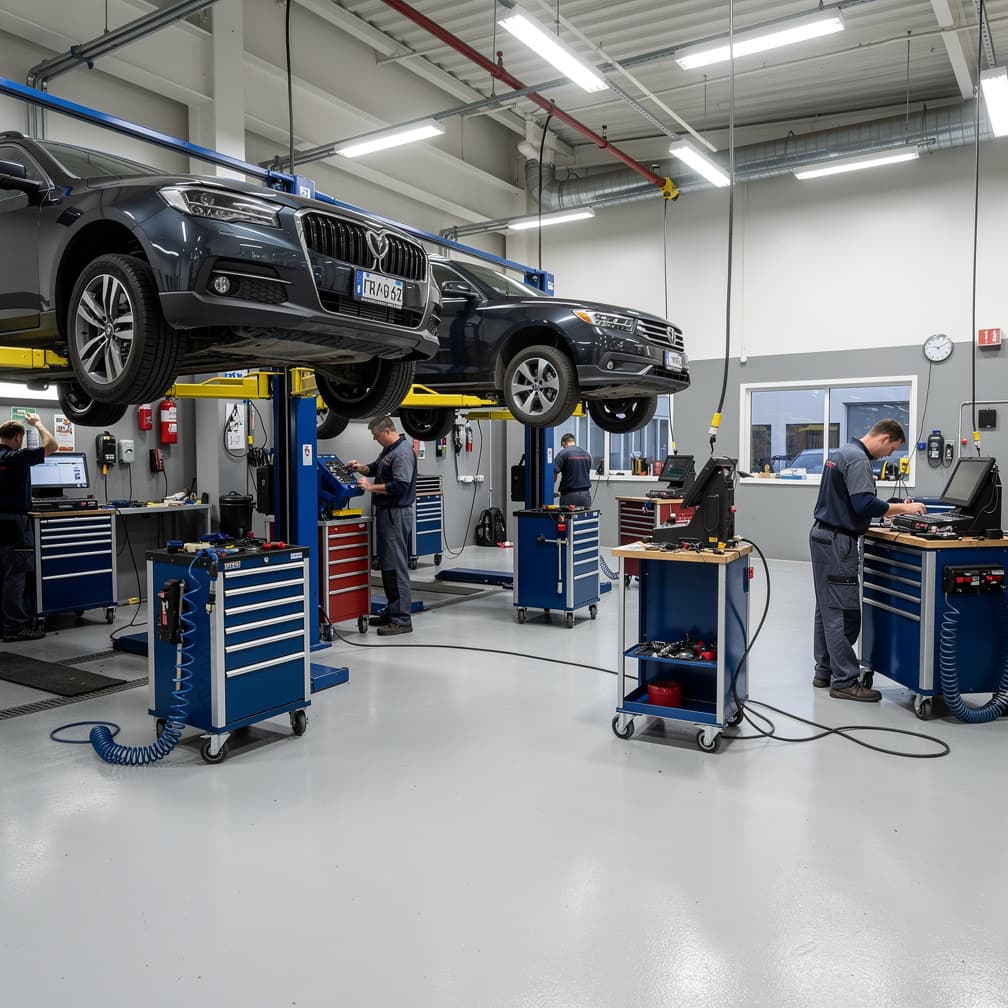
You are about to sign a lease for a new service bay in Washington, and the landlord asks for proof that customer vehicles are addressed while they sit on your lot overnight. That moment forces a practical review of where cars wait for parts, who holds keys after hours, and how losses would be handled if a storm, fire, or theft event hits vehicles in your custody. Garage keepers insurance in Washington becomes less of a box to check and more of an operations decision tied to your layout, staffing, and storage habits.
State weather and catastrophe exposure can change how you think about indoor versus outdoor storage, key control, fencing, camera placement, and whether your limits match the highest value vehicles you touch during a normal week. Before you request quotes, list your maximum vehicle count on site, your after-hours procedures, and any seasonal swings in volume so the policy review matches the way your shop actually runs.
What Garage Keepers Insurance Covers
If customer vehicles stay outside overnight, you should review whether your limit is high enough for the total value on the lot during busy stretches, especially if intake backs up while you wait on parts or approvals. If vehicles are stored indoors, the underwriting focus often shifts toward building access, fire controls, battery disconnect procedures, and who can move vehicles between bays.
Washington also brings hazard planning into the buying decision. The state faces wildfire, flooding, earthquakes, and severe storms, so you should ask how your policy is written for weather-related damage scenarios involving customer vehicles at your premises. Some policies pay only for specific named perils, while broader forms cover most accidental damage subject to listed exclusions, so the form you choose directly affects which losses your business absorbs and which ones the insurer pays.
This is also where your operation details matter. A body shop that keeps vehicles for longer repair cycles has a different exposure than a quick-turn service lane. A valet or parking operation needs a different review than a repair facility that rarely moves a vehicle off the property. If you use tow equipment, sublet work, or keep high-value vehicles waiting for specialty parts, say so up front so the policy review matches how vehicles are received, parked, secured, moved, and released in your operation.
Collision Coverage
Covers damage to customers' vehicles from collisions while in your care.

Comprehensive Coverage
Covers theft, vandalism, fire, and weather damage to customers' vehicles.
Specified Perils
Covers only specifically named perils at a lower premium.

Legal Liability
Covers damage you or your employees directly cause to a customer's vehicle.

Direct Primary
Pays regardless of fault, the broadest garage keepers coverage available.
Garage Keepers Insurance Requirements in Washington
- Shops east of the Cascades face different wildfire and ice exposure than Puget Sound operations dealing with flooding and wind-driven tree damage.
- If your lot sits in a flood plain or a designated wildland urban interface area, underwriters may apply tighter storage requirements or higher deductibles, so pull your property's hazard mapping before you request quotes.
- An overflow lot, shared parking area, or secondary storage location should be disclosed early so the quote reflects the real exposure.
- Longer repair cycles can increase the number and value of customer vehicles in your custody, which may justify a higher limit review.
- An operation that documents key control, road-test rules, and after-hours intake procedures is usually easier to underwrite and easier to defend after a loss.
How Much Does Garage Keepers Insurance Cost in Washington?
For buyers, pricing usually turns on concentration of risk more than on a simple statewide average. Underwriters want to know how many customer vehicles can be on site at one time, where they are parked, how often staff move them, and whether your business regularly handles higher value cars, trucks, or specialty vehicles. A shop with a fenced indoor setup and tight key control presents a different risk than an operation that stacks vehicles outside overnight or leaves units waiting for parts through the weekend.
Where your premises sit also changes the math. If your location carries heavier catastrophe exposure, pricing can reflect the chance that one event damages multiple customer vehicles at once. Indoor storage, controlled access, documented closing procedures, and clear separation between customer vehicles and work areas can all affect how an insurer views the account. A higher deductible may lower premium, but only if your business can comfortably absorb that out-of-pocket amount after a loss.
The coverage basis and limit you select move pricing as well. If your busiest weeks bring a fuller lot, your limit should be reviewed against the highest values on site, not just a slow month snapshot. Claims history, employee driving controls, and whether road tests are routine can also move pricing. The best way to get a usable quote is to submit a complete vehicle count, storage map, security details, and written procedures for after-hours intake, key handling, and incident reporting.
Request a Quote Comparison
Enter your ZIP code to compare garage keepers insurance rates from top carriers.
Business insurance starting at $25/mo
Who Needs Garage Keepers Insurance?
In Washington, you should look closely at this coverage if your business regularly takes possession of customer vehicles and keeps them on site long enough for weather, theft, fire, or handling losses to become your problem. That often includes repair and collision operations, but the state-specific question is less about your label and more about your workflow. If customers leave vehicles overnight, if keys stay with your staff, or if units wait in line for diagnostics, parts, or sublet work, the exposure is real.
This matters for independent shops in dense commercial areas, service departments attached to dealerships, and specialty operations that hold vehicles longer than expected. Detailers, restorers, glass installers, tire and brake shops, and businesses that coordinate towing or storage should also review it carefully if customer vehicles remain under their control between drop-off and pickup. The same goes for parking and valet operations where multiple employees move vehicles during a shift and lot conditions change throughout the day.
State conditions can make the need more obvious. If your lot is exposed to severe weather, if nearby trees or drainage create property concerns, or if wildfire smoke and emergency conditions can disrupt normal pickup schedules, vehicles may stay with you longer than planned. That increases the value sitting in your custody at one time. If your contracts, lease, or vendor agreements ask for evidence that customer vehicles are addressed, treat that as a prompt to review limits, deductibles, and storage practices before committing to coverage.
Garage Keepers Insurance by City in Washington
Garage Keepers Insurance rates and coverage options can vary across Washington. Select your city below for localized information:
How to Buy Garage Keepers Insurance
To buy the right policy, start with a site-level inventory of how customer vehicles enter, move through, and leave your business. Note where after-hours drop-offs are parked, whether keys are stored in a locked cabinet or left in vehicles, who can authorize road tests, and how many units may remain on site over a weekend or during supply chain slowdowns. Those details shape the quote more than a broad description of your business type.
Next, prepare a clean submission. Include your maximum number of customer vehicles on premises, the highest value vehicles you commonly handle, whether storage is indoor or outdoor, and any fencing, lighting, cameras, alarms, or gate controls. If you use a secondary lot, share that too. If employees move vehicles between buildings or to nearby parking, explain the route and procedure so an underwriter can understand where a single event could affect multiple customer vehicles at once.
Then compare forms carefully. Ask how covered causes of loss are handled, what exclusions apply, how deductibles work, and whether your chosen limit fits your busiest day rather than average daily count. Review any conditions tied to unattended vehicles, open storage, or temporary holding areas. Request a quote through CPK Insurance to compare your options with participating licensed providers.
Finally, keep a copy of your lot diagram, security procedures, and intake rules with your policy records so your application and your real operation stay aligned.
How to Save on Garage Keepers Insurance
In Washington, the most dependable way to lower costs is to reduce preventable uncertainty in how customer vehicles are stored and moved. Start with accumulation control. If too many vehicles sit on site waiting for parts or approvals, your exposure rises and so can pricing. Tighten scheduling, move completed jobs out faster, and set a written cap for how many vehicles can remain in each storage area overnight.
Security discipline also matters. Use a documented key-control process, restrict who can move customer vehicles, and keep a written closing checklist for gates, lights, cameras, and final lot walks. If you store vehicles outdoors, assign spaces deliberately rather than packing cars wherever room appears. Clear lanes, marked parking zones, and separation from dumpsters, fences, and tree lines can make losses less likely and claims easier to document.
You can also save by making your account easier to underwrite. Provide a current lot diagram, photos of indoor and outdoor storage, employee driver rules, and incident-report forms with your submission. If you have improved drainage, lighting, fencing, or fire controls, mention those changes before renewal rather than waiting for an inspection. Review deductibles with your accountant so you choose a level your business can absorb without straining cash flow.
Finally, do not let limits drift behind your operation. If your shop now handles more expensive vehicles or keeps them longer, update the policy before a loss exposes the gap. A cleaner, better-documented risk often earns more favorable quote options than a vague application ever will.
Our Recommendation for Washington
For buyers, the smartest purchase decision usually comes from matching the policy to your worst realistic accumulation day, not your average Tuesday. Count the vehicles that can be on site during supply chain slowdowns, weather disruptions, or holiday backlogs, then compare that total value against your proposed limit. If the number feels tight, revisit it before committing.
Ask direct questions about outdoor storage. State weather and catastrophe exposure make it important to know how the policy responds if multiple customer vehicles are damaged in one event and whether any exclusions or higher deductibles apply to the way you actually store cars. If your business uses overflow parking, secondary lots, or shared commercial space, disclose that early.
Written key logs, restricted driver lists, documented road-test rules, and a photographed intake process can help prevent disputes after a loss. If you are choosing between quotes, the better option is often the one that fits your procedures and exposure more closely, even if the premium difference is small. Keep your application details consistent with daily practice. If your storage pattern changes, request a policy review instead of assuming the old setup still fits.
FAQ
Frequently Asked Questions
If customer vehicles stay in your custody overnight, while you wait on parts, or before pickup, the exposure is real. State weather and catastrophe risk can increase the chance that one event affects several vehicles, so your storage setup and limit deserve a close look.
Buyers can verify licensing through the Washington Office of the Insurance Commissioner before committing to coverage.
Outdoor storage matters because weather and catastrophe exposure can affect multiple customer vehicles at once. If cars sit outside overnight or in overflow areas, ask how limits, deductibles, exclusions, and security expectations apply.
Body shops should include peak vehicle count, highest values handled, indoor and outdoor storage details, key-control procedures, road-test practices, and any secondary lot use.
Commercial landlords can ask for insurance evidence as part of a lease or renewal package. If that request comes up, use it as a prompt to review whether your policy terms match after-hours parking, gate access, and overnight vehicle accumulation.
Businesses should review limits whenever vehicle values rise, storage patterns change, or more cars remain on site because of scheduling or supply chain slowdowns. The right time is before renewal, a new lease, or any expansion that increases overnight accumulation.
Valet and parking operations usually need a quote built around frequent vehicle movement, shift changes, key handling, and lot layout. If several employees move customer vehicles each day, document driver rules and parking procedures before you shop coverage.
Garage keepers insurance may cover damage to customers' vehicles while they are in your care, custody, or control. That may include collision, theft, fire, vandalism, hail, and other covered causes of loss, depending on your policy terms and how your business handles vehicles.
Sources
- 1.Washington Office of the Insurance Commissioner(The state regulator is the Washington Office of the Insurance Commissioner.)
Updated July 16, 2026