Updated July 16, 2026

Builders Risk Insurance in Seattle
A theft or vandalism loss at a high value residential build hits harder in Seattle because the dollars tied up in the structure and staged materials can climb fast before the project is dried in. Your policy deserves a closer look when you are building or renovating in neighborhoods where finished values, lender expectations, and owner equity all raise the stakes of any delay. The local median home value is $912,100, which means a limit that looked adequate early in planning can come up short once framing, windows, mechanicals, and owner-selected finishes are on site. If your project budget is being supported by personal funds, local household earnings also signal that many owners here are bringing meaningful assets to the table. Before work starts, you may want to match the policy limit, soft cost needs, and named insured structure to the actual contract and draw schedule.
Builders Risk Insurance Risk Factors in Seattle
High property values are the local risk factor that changes the builders risk conversation most. Even a partial loss during construction can involve expensive windows, specialty finishes, custom millwork, and longer rebuild timelines than a buyer first expects. That pushes you to review **completed value** carefully instead of relying on a rough construction budget or an old appraisal. It also makes theft controls, site security, and material scheduling more important, because a small quantity of stolen or damaged items can represent a large uninsured gap. On renovation work, ask whether the policy is written to address the new work only or whether existing structure should also be scheduled, depending on the contract and who would absorb the loss. If the owner is funding upgrades with substantial personal resources, revisit deductibles and delay-related exposures before permits are pulled and materials are ordered.
Washington has a moderate climate risk rating. Top hazards: Earthquake (Very High), Wildfire (High), Volcanic Activity (High), Flooding (Moderate). The state's expected annual loss from natural hazards is $1.8B, which influences builders risk insurance premiums and may affect coverage availability in high-risk areas.
What Builders Risk Insurance Covers
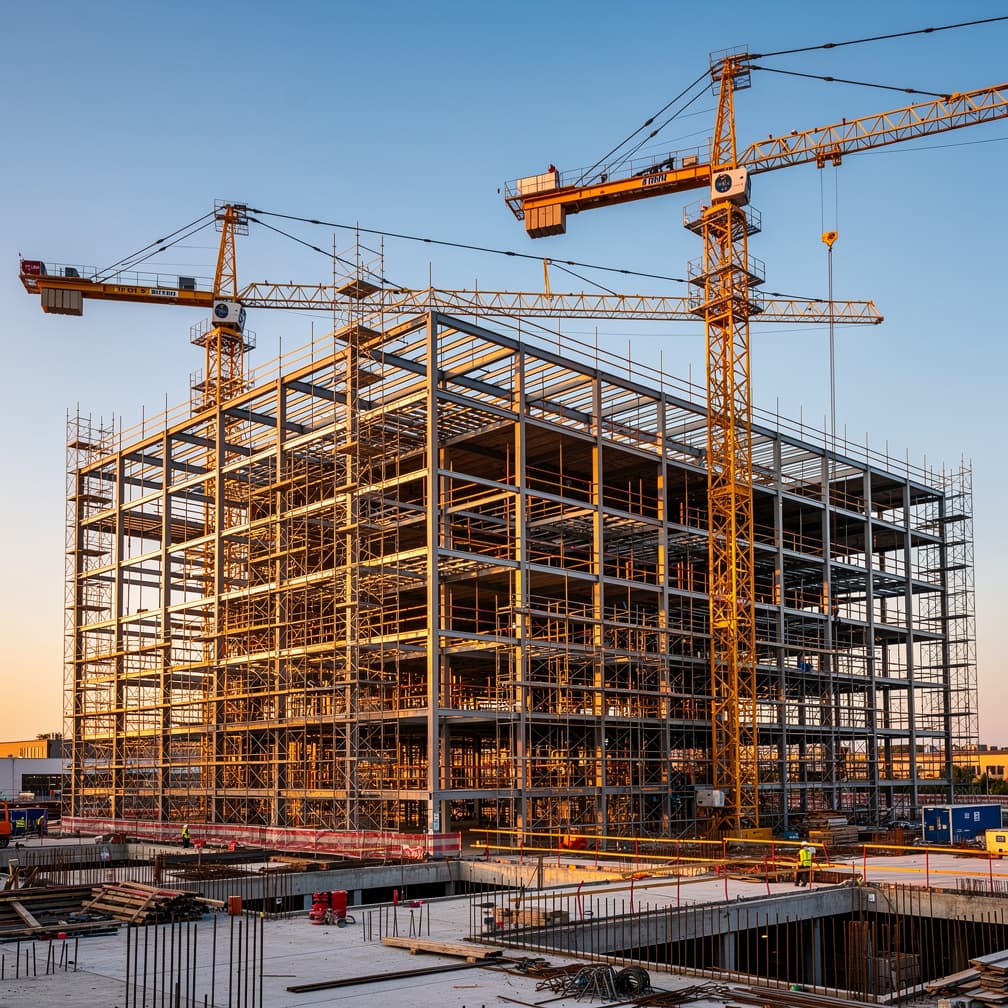
Washington projects often need a tighter builders risk review where weather, terrain, and job sequencing can expose unfinished work before the building envelope is closed. If your schedule includes open framing, staged dry-in, temporary tarping, or materials waiting on site for the next trade, you want the quote built around those real conditions rather than a generic project description.
For many Washington jobs, the practical coverage questions are about property location and timing. You may need to review whether materials are only covered once they reach the site, whether temporary storage should be scheduled, and whether owner-furnished items need to be specifically accounted for in the completed value. If the project uses long-lead components, imported fixtures, custom glazing, or mechanical equipment delivered in phases, list them early so the policy review matches the purchasing plan.
You should also check how the policy handles soft-cost-related exposures if a covered loss delays the project. For example, if a fire during framing pushes your completion date back by two months, the policy may help cover lost rental income you were counting on or additional interest on your construction loan during the extended term. That can matter when financing, lease commitments, or planned occupancy dates are tied to construction milestones. On renovation work, ask for a clear discussion of existing structure treatment, site security expectations, and whether testing, commissioning, or temporary occupancy changes the point at which coverage should end. Washington's insurance regulator is the Washington Office of the Insurance Commissioner, so if you are comparing forms or carrier requirements, verify that the company and policy documents you are reviewing are properly regulated before you bind coverage.
Coverage Included

Structure Coverage
Covers the building or structure under construction.

Materials on Site
Covers building materials stored at the construction site.

Materials in Transit
Covers materials being transported to the job site.
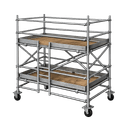
Temporary Structures
Covers scaffolding, fencing, and temporary buildings.

Soft Costs
Covers additional expenses from construction delays due to covered losses.

Equipment Coverage
Covers permanently installed fixtures and equipment.
What Makes Seattle Different
Here, the bigger issue is whether the limit and project description keep pace with what the property will actually be worth during each phase of work. Seattle's median household income is $121,984, and that earning power often translates into larger budgets and less tolerance for delays. That can create a mismatch between the amount at risk and the amount insured if the policy is set up too narrowly. For a custom build or major remodel, it helps to check whether the form accounts for owner-furnished materials, temporary storage, scaffolding, and any soft cost exposure tied to financing or delayed occupancy. Valuation is a live construction issue, not a one-time application field.
Our Recommendation for Seattle
Your contract set is the right starting point. You may want to clarify who should be named insured, who has an insurable interest, and whether the lender, owner, and general contractor expect the same party to carry the form. For a higher value home project, ask your agent to walk through completed value, change order handling, and whether existing structure needs separate attention on a renovation. If materials will be delivered in stages, it helps to review how the policy treats items at the site, in transit, or stored off site, because expensive components can arrive long before installation. You may want to keep the insurer updated when the scope expands, the completion date moves, or owner selections materially increase value. Your immediate buying step is to request a quote review against the plans, budget, and draw schedule before binding coverage.
Get Builders Risk Insurance in Seattle
Enter your ZIP code to compare builders risk insurance rates from carriers in Seattle, WA.
Business insurance starting at $25/mo
FAQ
Frequently Asked Questions
Seattle projects often carry more value through each construction phase because the city's median home value is $912,100. A policy limit set at the original budget can leave a six-figure gap once framing, windows, and mechanicals are installed, which means you could be self-insuring a significant portion of the build without realizing it.
Seattle renovation projects depend on the contract and who would absorb a loss. If finished areas remain in place while work proceeds, it helps to review whether existing structure needs to be addressed instead of assuming your policy covers it automatically.
King County has 70,530 business establishments, and construction accounts for 9.6% of them. That large contractor and developer base means more experienced parties on the other side of your contract, so named insured language and project reporting requirements tend to get scrutinized closely before work starts, and you may face stricter contract terms as a result.
Seattle owners often bring significant personal assets into a project. It helps to review owner-furnished materials, temporary storage, deductibles, and soft cost needs before high value items are ordered or staged.
Theft and vandalism may be covered depending on the form and endorsements you select. Given the high cost of staged materials at Seattle residential builds, it helps to confirm deductibles and sublimits for theft before items arrive on site.
You may want to keep the insurer updated when scope, schedule, or finish levels change. A policy written for the original budget may come up short if change orders or upgraded selections push the completed value higher mid-project.
Rain, wind, and water intrusion can reach unfinished work before dry-in, so underwriters want specifics. Tell them how the site is protected, how materials are stored, and how quickly openings are secured after each workday.
Owner-supplied materials can create problems if they are assumed to be included but never listed in the values. Identify who buys them, where they are stored, and when they transfer to the site so the quote can be reviewed accurately.
Sources
- 1.U.S. Census Bureau, ACS 5-Year Estimates, table B25077(The local median home value is $912,100.)
- 2.U.S. Census Bureau, ACS 5-Year Estimates, table B19013(Seattle's median household income is $121,984, so owners often have more equity, larger renovation scopes, and stronger expectations around preserving schedule and finish quality.)
- 3.U.S. Census Bureau, County Business Patterns, King County(King County has 70,530 business establishments, and construction accounts for 9.6% of establishments)
- 4.Washington Office of the Insurance Commissioner(The Washington Office of the Insurance Commissioner is the state regulator)
Updated July 16, 2026