







































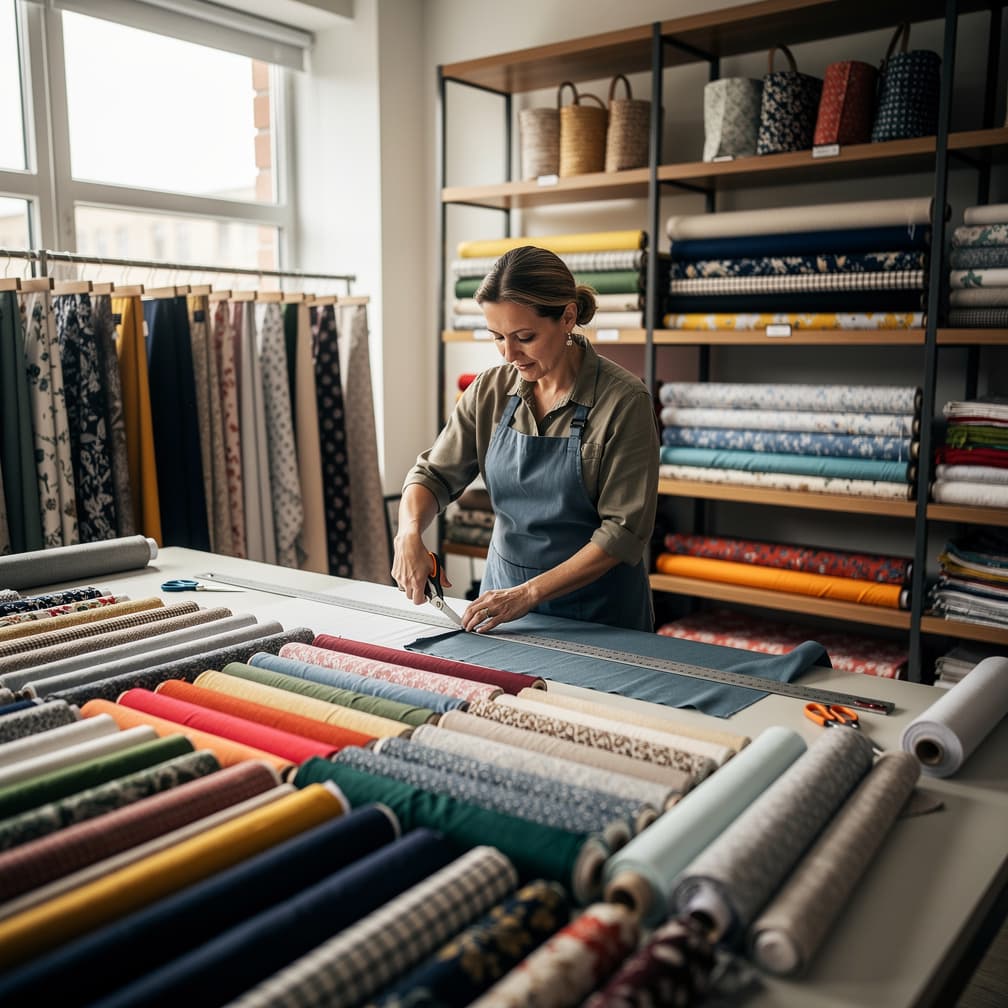

Owning a fabric store in Seattle can mean running a classroom alongside a sales floor. The moment students sit at machines you supply, cut on your tables, and handle your shears, your exposure changes shape. Fabric store insurance in Seattle should reflect what actually happens in your space, not the tidy version on your business license. A student stitching through a finger is a very different claim from a shopper slipping in an aisle, and the forms do not treat them identically. Add the display racks you wheel onto the sidewalk and the vendor booth you take to a craft market, and the edges of your policy start to matter. Write down everything you do in a week. Take that list to the quote.
What Makes Seattle Different
Roof leaks in a multi-tenant building are somebody else's repair and entirely your own inventory problem. Water finds the bolts stacked against an exterior wall first, and fabric wicks damage upward fast. By the time a building manager schedules a contractor, your stock has already made its decision. Repair responsibility and loss responsibility are separate questions, and leases answer only the first of them. Your own Commercial Property limit is generally what stands between a wet rack and a written-off season. Move stock off the floor and away from exterior walls where you can, since prevention beats argument. Then ask how a Seattle policy treats water entering through a roof that somebody else maintains. In a dense King County building with tenants above you, that answer beats a price comparison.
Local Risk Factors in Seattle
Wildfire reaches a fabric store as smoke long before anything else does, and smoke is the loss that matters here. Fabric absorbs odor permanently, so bolts that never saw a flame can become unsellable while the building stands untouched. Air handling systems pull it in and hold it, which means a closed store is not a protected store. Commercial Property may respond to smoke damage to inventory, and how a form defines that damage varies enough between participating carriers in Washington that the question deserves asking directly. Evacuation orders close a Seattle block whether or not your unit is affected, and closure without physical damage is generally treated as a different question from closure with it.
What Coverage Does a Fabric Store in Seattle Need?
General Liability
Landlords, market organizers, and lenders ask for this one by name before they hand over keys or assign a booth. It can help cover a customer who slips in an aisle, a cut hand at your cutting table, or damage you cause to somebody else's property. Employee injuries sit outside it, and so does damage to your own inventory.
Example: A shopper catches a foot on a rolling remnant cart, goes down hard, and a demand letter for the emergency room visit lands six weeks later. General Liability is typically the line that answers.
Commercial Property
Rising floodwater and gradual wear sit outside this form from the start. What is inside is the stock and the contents: bolts, trims, notions, shelving, cutting tables, and the fit-out you paid to install in a leased unit. It can respond to fire, smoke, theft, storm damage, and sudden water from a burst pipe. Undercounting inventory is what costs owners at claim time.
Example: A sprinkler head lets go over the cotton wall on a cold night and soaks four racks before anyone arrives. Commercial Property may help cover the ruined bolts, subject to your deductible.
Workers Compensation
Payroll is what this one is priced on, at a rate per hundred dollars of wages that moves with how your staff get classified. It could help cover medical bills and lost wages when an employee is hurt lifting bolts, reaching a top shelf, or working a cutter. Whether it is mandatory at your headcount varies by state.
Example: A part-timer hauling a full bolt down from an overhead rack tears a shoulder and spends two months in physical therapy. This is the line that would ordinarily respond.
Business Owners Policy
Instead of buying the liability and the property separately, this bundles them into one form with one renewal date, and plenty of small retailers start here. It commonly adds a time element that could help cover lost income while a covered repair keeps the doors shut. The catch is the property cap inside the package, which may sit below what your shelves actually hold.
Example: A fire two units down leaves your bolts unsellable and the store shut for six weeks while the block gets rebuilt. A Business Owners Policy might pick up both the stock and the closed weeks.
How Much Does Fabric Store Insurance Cost in Seattle?
Fabric Store Insurance is a bundle of separate policies, priced separately. The ranges below are typical figures for Seattle for each line, except workers compensation, which is set by the state fund; a quote prices each one against your own operations.
| Coverage | Typical range | What moves your price |
|---|---|---|
| General Liability Insurance | $50 - $150 per month | Industry and risk classification, annual revenue, number of employees |
| Commercial Property Insurance | $110 - $380 per month | Building value and construction type, roof age and condition, fire protection class |
| Workers Compensation Insurance | Set by the state fund | Employee classification codes, total annual payroll, experience modification rate |
| Business Owners Policy Insurance | $110 - $330 per month | Annual revenue and industry class, building and contents values, square footage and building age |
Prices shown are general estimates, not guaranteed rates or quotes. Your actual premium will depend on the insurer, coverage selected, business details, location, claims history, and other underwriting factors. Learn about our pricing methodology.
What Are the Insurance Requirements for a Fabric Store in Seattle?
Workers' comp is generally required once you have your first employee, through the state fund. Washington runs workers' compensation through a state fund: employers buy coverage from the Washington State Department of Labor & Industries (L&I), not from private carriers. Common exemptions include sole proprietors and partners. Confirm current requirements directly with the fund before you hire.
Flood damage is typically excluded from standard policies. Standard commercial property and builders-risk-type policies typically exclude flood damage. Flood exposure varies address by address, so check your premises in FEMA's Flood Map Service Center before deciding; if you sit in a mapped flood zone, a separate policy through the National Flood Insurance Program is the usual starting point.
Where to verify licensing and coverage rules. The Washington Office of the Insurance Commissioner publishes consumer guidance and current insurance requirements for Washington businesses. When a contract or lease demands specific wording, the Washington Office of the Insurance Commissioner's guidance is the authoritative place to check.
Get Your Fabric Store Quote in Seattle
Compare rates from multiple carriers. Free quotes, no obligation.
Operating in Seattle
- Wholesale suppliers extending you credit can ask to be named as loss payee on your inventory coverage, and nobody adds that endorsement unless you request it by name.
- Sewing classes turn a sales floor into a workshop full of people you have never trained. A student's injury at a machine you supplied opens a different claim from a shopper's slip in an aisle.
- A market organizer in Seattle can require proof of coverage before assigning you a booth, and a verbal assurance from anyone at the event is worth nothing once a folding table gives way.
- Water finds the bolts stacked against exterior walls first. Stock stored flat on the floor instead of up on pallets turns a small overnight leak into a whole rack written off.
How to Buy: Advice for Seattle Owners
Time your buying around the events that force it: signing a lease, hiring your first employee, taking a booth at a market, opening the doors. Each one changes what you need beforehand, never afterward. A Business Owners Policy is where many small retailers start, since it packages store liability and property into one place. Hiring is the moment Workers Compensation enters the picture, and rules on when it becomes mandatory vary by state. Check the Washington Office of the Insurance Commissioner's guidance before deciding whether your first hire triggers a requirement. Do not wait for renewal to fix a limit you already know is wrong, because a claim will not wait for your calendar. Give yourself two weeks ahead of any deadline in Seattle rather than two days. CPK makes it quick to gather quotes from participating carriers, so a deadline is not what ends up deciding for you.
FAQ
Fabric Store Insurance in Seattle: FAQ
The time element inside a property policy may help cover lost income and continuing expenses like rent while damage gets repaired. It usually needs direct physical damage as the trigger, so a slow week caused purely by weather generally does not qualify. Waiting periods apply, and the limit may run on time as well as on money. Ask how both work before assuming a long closure in Seattle is fully handled.
Not automatically. Teaching, machine rentals, and alterations are different activities from selling fabric, and a policy written on the assumption that you only sell may not respond when a student stitches through a finger. Tell whoever quotes you everything that happens in the space, including classes and any work done off-site. A quote built on an incomplete description can be re-rated later, and a denied claim is the expensive way to learn this.
It comes off your side of every loss before anything gets paid, so a higher deductible lowers the premium and raises what you fund yourself. Watch for separate wind or hail deductibles, which are commonly a percentage of building value rather than a flat amount and can be far larger than the front page implies. Read the declarations page on any Washington quote, since that is where the real number sits.
It often can, and unsellable stock is a real loss even when nothing on your floor burned. Fabric holds odor, and bolts that smell like a fire cannot be sold at any price. How smoke and odor damage to inventory gets treated varies noticeably between forms, so ask that specific question while comparing. Whether the neighbor's insurer eventually contributes is a separate argument that can take months to resolve.
Have your annual revenue, payroll broken out by job type, a replacement value for inventory, an equipment list with purchase dates, and your lease ready before you approach participating carriers in Washington. Add three years of claim history if you have any. Payroll drives the Workers Compensation number, inventory value drives the property side, and the lease dictates limits somebody else already chose for you. Guessed figures produce a price that moves the moment anyone checks.
Sometimes, and the honest answer is that off-premises terms are narrower than most owners assume. Goods in transit and goods at a temporary location get handled separately from stock at your fixed address. An organizer who asks to be named on your certificate will not verify whether the coverage actually reaches the booth. Ask before you commit to the date, since the answer takes one call and the alternative is an argument.
Sources
- 1.Washington Office of the Insurance Commissioner(Washington Office of the Insurance Commissioner publishes consumer guidance for insurance buyers.)
- 2.FEMA / FloodSmart(Flood coverage is typically purchased separately; FEMA administers the National Flood Insurance Program.)


