







































Updated July 16, 2026

Builders Risk Insurance in Spokane
A tighter local market changes the builders risk conversation before the first wall goes up. Fewer underwriting appetites often mean your submission has to be cleaner, your project timeline has to be believable, and your lender or owner contract may ask for proof of coverage earlier than you expect. Getting core details lined up before you ask for terms can save you from a stalled submission. That means pulling together the job address, construction budget, renovation scope, security plan, and stored materials into a coherent picture rather than a bare list. This matters even more on infill jobs, occupied remodels, and custom residential work where one missing detail can slow approval or leave a gap between the contract requirement and the policy form. Spokane's median home value is $326,200, which means a half-finished build can easily represent over $150,000 in exposed value before the roof is even closed in. If you are building for an owner with a median household income of $65,745, that owner is likely financing the project through a bank draw schedule rather than paying cash. A delayed insurance review can hold up the next draw and stall your crew. That makes it worth reviewing soft costs, theft controls, and the planned completion date before binding.
Builders Risk Insurance Risk Factors in Spokane
Spokane's top risk factors include Earthquake damage, Liquefaction risk, Landslide, and Infrastructure failure.
Washington has a moderate climate risk rating. Top hazards: Earthquake (Very High), Wildfire (High), Volcanic Activity (High), Flooding (Moderate). The state's expected annual loss from natural hazards is $1.8B, which influences builders risk insurance premiums and may affect coverage availability in high-risk areas.
What Builders Risk Insurance Covers
Washington projects often need a tighter builders risk review where weather, terrain, and job sequencing can expose unfinished work before the building envelope is closed. If your schedule includes open framing, staged dry-in, temporary tarping, or materials waiting on site for the next trade, you want the quote built around those real conditions rather than a generic project description.
For many Washington jobs, the practical coverage questions are about property location and timing. You may need to review whether materials are only covered once they reach the site, whether temporary storage should be scheduled, and whether owner-furnished items need to be specifically accounted for in the completed value. If the project uses long-lead components, imported fixtures, custom glazing, or mechanical equipment delivered in phases, list them early so the policy review matches the purchasing plan.
You should also check how the policy handles soft-cost-related exposures if a covered loss delays the project. For example, if a fire during framing pushes your completion date back by two months, the policy may help cover lost rental income you were counting on or additional interest on your construction loan during the extended term. That can matter when financing, lease commitments, or planned occupancy dates are tied to construction milestones. On renovation work, ask for a clear discussion of existing structure treatment, site security expectations, and whether testing, commissioning, or temporary occupancy changes the point at which coverage should end. Washington's insurance regulator is the Washington Office of the Insurance Commissioner, so if you are comparing forms or carrier requirements, verify that the company and policy documents you are reviewing are properly regulated before you bind coverage.
Coverage Included

Structure Coverage
Covers the building or structure under construction.

Materials on Site
Covers building materials stored at the construction site.

Materials in Transit
Covers materials being transported to the job site.
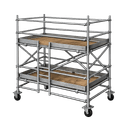
Temporary Structures
Covers scaffolding, fencing, and temporary buildings.

Soft Costs
Covers additional expenses from construction delays due to covered losses.

Equipment Coverage
Covers permanently installed fixtures and equipment.
Industries & Insurance Needs in Spokane
Construction density is the local difference worth paying attention to. Spokane County has 14,280 business establishments, and construction makes up 13.3% of them, so your project often sits in a market where owners, lenders, and upstream contractors see a lot of bids and expect insurance paperwork to be specific, not generic. That affects how you should shop. A vague application can be easier to set aside when underwriters are seeing plenty of construction submissions, while a clear statement of project type, completed value, site security, and who is responsible for materials usually gives them something concrete to evaluate. The county mix also matters because health care and social assistance account for 12.6% of establishments and retail trade 11.1%, which points to ongoing tenant improvements, clinic build-outs, and occupied commercial renovations where access, phasing, and protection of existing property should be spelled out before you request terms.
What Makes Spokane Different
In a smaller metro, you are often not winning by blasting out a bare application and hoping someone fills in the blanks later. You are winning by presenting a file that matches how the job will actually run, especially if the project involves an occupied renovation, owner-furnished materials, phased turnover, or a lender with its own evidence-of-insurance wording. Underwriters are looking for a clear story about the exact job address, construction type, project value, start and completion dates, site security, and whether materials are stored off-site or delivered just in time. If any of those details are unsettled, compare whether the policy terms line up with the build schedule, who bears the risk of loss, and any proof requirements tied to funding or permits before you sign final contract language.
Our Recommendation for Spokane
The contract set tells you more than the application ever will. The first question is who insures the work in progress, and from there you can confirm whether existing structure is part of the exposure and whether owner-purchased fixtures or long-lead materials need to be scheduled. On a residential build, compare the planned completed value against the actual rebuild budget and any lender expectations before you request terms. On a commercial remodel, flag occupancy, partial use, and protection of finished areas early, because those details can change how an underwriter looks at the job. It is also smart to confirm where materials will sit before installation, who has site keys, how theft deterrence works after hours, and whether the completion date leaves room for delays. If your project is moving soon, request a free, no-obligation review with the scope written the way the job will actually be built.
Get Builders Risk Insurance in Spokane
Enter your ZIP code to compare builders risk insurance rates from carriers in Spokane, WA.
Business insurance starting at $25/mo
FAQ
Frequently Asked Questions
Local projects often move through a tighter submission market, so underwriters usually need a clearer picture of value, timeline, site security, and stored materials before they offer terms. A complete application can help you avoid delays between contract signing and proof of coverage.
Residential projects should be reviewed against the property's expected completed value and the actual rebuild budget. Spokane's median home value sits at $326,200, and underestimating by 20 percent on a custom build could leave you more than $65,000 short of the actual replacement cost if a loss occurs mid-construction.
Spokane County has 14,280 business establishments, with construction at 13.3% of the county total. Roughly one in seven local businesses is a construction firm, which means lenders and owners review contractor submissions regularly and tend to spot incomplete or vague applications quickly.
Occupied renovation submissions should spell out what stays in use, what existing property could be affected, how work is phased, and who is responsible for temporary protection. Those details help you compare policy terms against the actual job sequence.
Local households have a median income of $65,745, which is below the national median. Owners in this market are more likely to phase their purchases and stretch draw schedules, making it important to review completion timing, soft costs, and how materials are handled before coverage is placed.
Rain, wind, and water intrusion can reach unfinished work before dry-in, so underwriters want specifics. Tell them how the site is protected, how materials are stored, and how quickly openings are secured after each workday.
Owner-supplied materials can create problems if they are assumed to be included but never listed in the values. Identify who buys them, where they are stored, and when they transfer to the site so the quote can be reviewed accurately.
Occupied renovations should be reviewed for existing structure exposure, water damage pathways, and the point where builders risk stops and other property coverage may need to respond. That is especially important when finished areas stay in use during construction.
Sources
- 1.U.S. Census Bureau, ACS 5-Year Estimates, table B25077(Spokane's median home value is $326,200, so even smaller residential projects can put a meaningful property value at risk while the structure is unfinished or partially opened up.)
- 2.U.S. Census Bureau, ACS 5-Year Estimates, table B19013(If you are building for an owner with a median household income of $65,745, budget pressure can also push tighter draw schedules and phased work, which makes it worth reviewing soft costs, theft controls, and the planned completion date before binding.)
- 3.U.S. Census Bureau, County Business Patterns, Spokane County(Spokane County has 14,280 business establishments, and construction makes up 13.3% of them, so your project often sits in a market where owners, lenders, and upstream contractors see a lot of bids and expect insurance paperwork to be specific, not generic.; The county mix also matters because health care and social assistance account for 12.6% of establishments and retail trade 11.1%, which points to ongoing tenant improvements, clinic build-outs, and occupied commercial renovations where access, phasing, and protection of existing property should be spelled out before you request terms.)
Updated July 16, 2026





