Updated July 5, 2026

On-Hook Towing Insurance in Tacoma
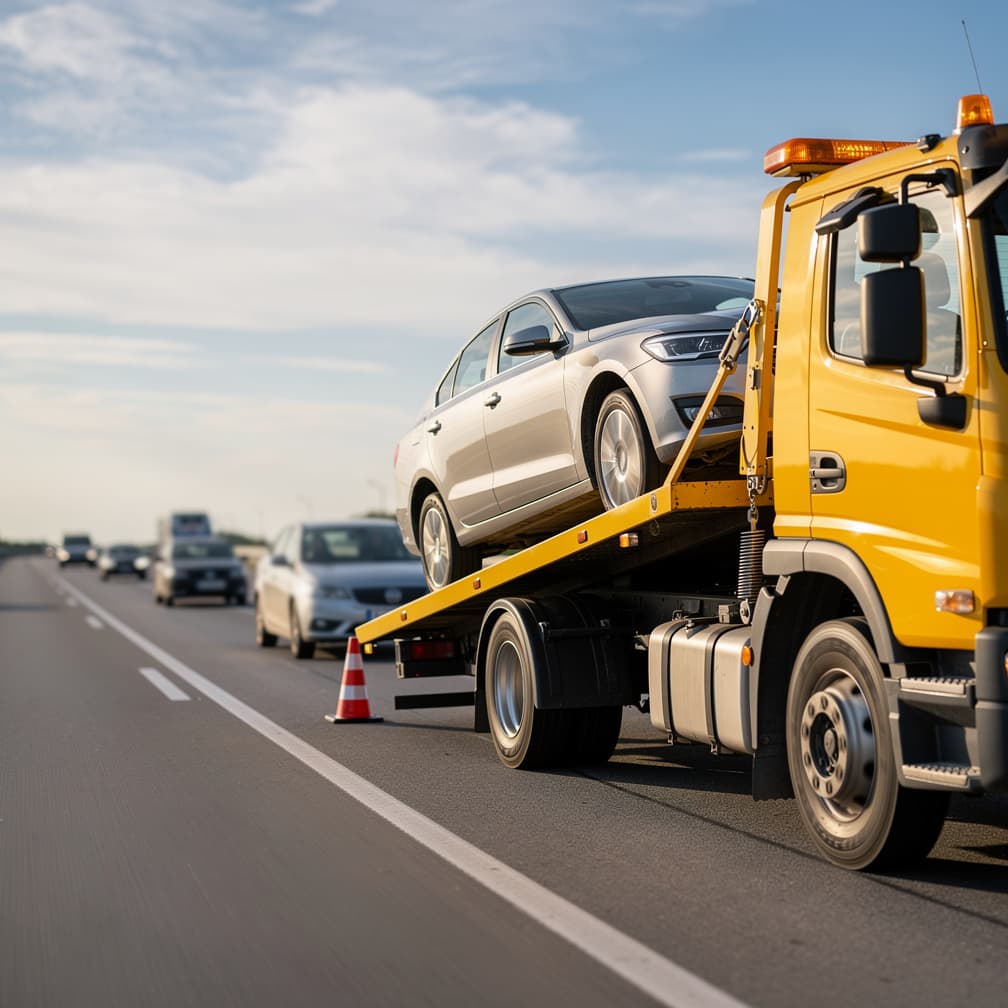
Are you asking whether on-hook towing insurance in Tacoma should be set up differently from a generic Washington towing policy? Yes. The local question is less about the form itself and more about the mix of calls, customer expectations, and claim friction you see here. A tow operator working around the Port of Tacoma, downtown parking structures, South Tacoma arterials, and apartment-heavy neighborhoods can move from a routine disabled-vehicle pickup to a tight-space hook-up with almost no margin for loading error. That changes what you should review before you bind or renew. Pierce County has 20,096 business establishments, so you are not just serving stranded drivers, you are often handling vehicles tied to vendors, job sites, retail lots, and service appointments where delays and damage disputes escalate quickly. Tacoma median household income is $83,857, so many customer vehicles you tow represent meaningful household assets, and owners may scrutinize even minor wheel, bumper, or undercarriage damage. Here, a quote works better when it is built around your actual dispatch pattern, storage setup, loading methods, and the kinds of vehicles you most often put on the hook.
On-Hook Towing Insurance Risk Factors in Tacoma
Tacoma's top risk factors include Earthquake damage, Liquefaction risk, Landslide, and Infrastructure failure.
Washington has a moderate climate risk rating. Top hazards: Earthquake (Very High), Wildfire (High), Volcanic Activity (High), Flooding (Moderate). The state's expected annual loss from natural hazards is $1.8B, which influences on-hook towing insurance premiums and may affect coverage availability in high-risk areas.
What On-Hook Towing Insurance Covers
In Washington, the practical review starts with the handoff points where claims are argued. A buyer usually needs to look closely at how the policy treats a vehicle during hookup, while it is secured for transport, and during release at the destination, because those are the moments when damage allegations often become specific. A scraped bumper after a steep driveway pull, suspension damage alleged after a wheel-lift tow, or body damage claimed after a tight recovery in rain all need to be evaluated against the policy language and your actual procedures.
State conditions make that review more operational than theoretical. If your routes move between dense city streets, suburban apartment complexes, rural shoulders, and mountain corridors, ask how the policy is written for the kinds of tows you actually perform. A flatbed operation handling dealer transfers may need a different conversation than a mixed fleet that also takes after-hours roadside calls, private impounds, and recovery work. The same applies if you tow low-clearance vehicles, electric vehicles, motorcycles, work vans, or lifted trucks. Each changes loading angle, securement method, and claim severity.
You should also review what is not intended to sit inside on-hook protection. If your operation stores vehicles after pickup, handles personal property disputes, or performs garage-related work around the yard, those exposures may need to be addressed elsewhere in the account. The cleanest buying approach is to match each service line to the policy section that is supposed to respond, then ask your agent to show where a towing claim would likely land before you commit to a policy.
Coverage Included

Collision on Hook
Covers damage to towed vehicles from collisions during transport.
Comprehensive on Hook
Covers theft, fire, and weather damage to vehicles being towed.
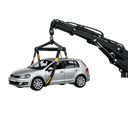
Loading & Unloading
Covers damage during the process of loading and unloading vehicles.
Winching Coverage
Covers damage to vehicles during winching and recovery operations.
Multiple Vehicle
Covers all vehicles on multi-car carriers and rollback flatbeds.
Industries & Insurance Needs in Tacoma
Pierce County business mix changes the kind of towing work that can trigger an on-hook claim. Construction accounts for 15.1% of county establishments, health care and social assistance 11.7%, and retail trade 10.6%, so local towers often serve work trucks, employee vehicles, customer cars in commercial lots, and time-sensitive pickups tied to operating businesses. That matters because the damage dispute is not always just about the repair bill. It can start with where the vehicle was parked, who authorized the tow, how quickly it had to be moved, and whether pre-tow condition was documented clearly enough to defend your handling. If your book includes private property impounds, vendor accounts, medical-office lots, or contractor fleet work, ask for on-hook limits and claim handling that match those assignments. It is also worth reviewing whether your photos, dispatch notes, and signed authorizations are consistent across drivers, because documentation often decides whether a local disagreement stays small or turns expensive.
What Makes Tacoma Different
Commercial density is what changes the calculus here. In a market tied closely to business lots, multifamily properties, and active service corridors, many on-hook claims start as ordinary towing jobs but become harder because more parties are involved in the transaction. A vehicle owner may dispute pre-existing damage, a property manager may want the unit moved immediately, and a business customer may expect fast proof that your coverage can respond if something goes wrong during hook-up or transport. That is why a Tacoma-area buyer should think beyond a simple limit choice. You want the policy reviewed alongside your dispatch mix: consensual tows, private property work, dealership or repair-shop moves, and after-hours calls all create different documentation pressure. The practical difference here is not abstract geography. It is the frequency of jobs where access is tight, timelines are short, and the person paying for the tow is not always the person later alleging damage.
Our Recommendation for Tacoma
Start with your last six to twelve months of tow tickets and sort them by job type, not just revenue. If a meaningful share of your work comes from commercial lots, apartment complexes, repair facilities, or contractor accounts, ask for a quote review built around those assignments and the vehicles they put on your truck. Next, compare your on-hook limit to the highest-value vehicles you actually tow here, including newer pickups, work vans, and customer cars left in managed parking areas. Then review your operating routine: who photographs pre-tow condition, when wheel-lift or flatbed decisions are made, where keys are logged, and how damage complaints are escalated. Those details matter because the strongest defense to a local on-hook claim is often a clean record of condition and handling, not a broad assumption that the policy will sort everything out later. Before renewing, request a quote that reflects your real dispatch territory, your common vehicle types, and whether recovery-style calls are occasional or routine.
Get On-Hook Towing Insurance in Tacoma
Enter your ZIP code to compare on-hook towing insurance rates from carriers in Tacoma, WA.
Business insurance starting at $25/mo
FAQ
Frequently Asked Questions
Tacoma towing claims can get more disputed when a job involves commercial property, managed parking, or a third-party authorization. Pierce County has 20,096 business establishments, so you should document pre-tow condition, authorization, and handling steps carefully before the vehicle is moved.
Tacoma operators usually should not base an on-hook limit on passenger cars alone. With local work often tied to contractors, retailers, and service businesses, review the highest-value pickups, vans, and customer vehicles you actually tow during a normal month.
Pierce County business mix can affect your towing profile. Construction is 15.1%, health care and social assistance 11.7%, and retail trade 10.6%, so your policy review should account for work trucks, employee vehicles, and customer cars moved from active business locations.
Tacoma customers may press damage complaints harder because the vehicle often represents a significant household asset. The city's median household income is $83,857, so even modest cosmetic or suspension damage can lead to close scrutiny of your photos and tow records.
Washington buyers often need to review both because liability and on-hook exposures are not the same. The Office of the Insurance Commissioner oversees the state's insurance market, so policy wording and complaint processes sit within that regulatory framework.
Washington operators usually start with the types of vehicles they tow, the mix of flatbed versus wheel-lift work, and how often they handle higher-value or harder-to-load units. From there, weigh the highest-value vehicle you typically move against the worst-case damage you could cause during a tow, and set your limit high enough to cover that scenario.
Washington claims often focus on those transition points, so you should ask the agent to walk through loading, securement, transport, and release scenarios in plain language. Some policies may cover damage during loading and unloading, but exclusions and conditions vary, so you need to confirm exactly how your specific policy wording applies.
Washington submissions are often evaluated differently when recovery work is part of the operation because the job conditions, vehicle condition, and damage allegations can be more complex. Separate those services clearly when you request quotes so the underwriting picture is accurate.
Sources
- 1.U.S. Census Bureau, County Business Patterns, Pierce County(Pierce County has 20,096 business establishments, so you are not just serving stranded drivers, you are often handling vehicles tied to vendors, job sites, retail lots, and service appointments where delays and damage disputes escalate quickly.; Construction accounts for 15.1% of county establishments, health care and social assistance 11.7%, and retail trade 10.6%, so local towers often serve work trucks, employee vehicles, customer cars in commercial lots, and time-sensitive pickups tied to operating businesses.)
- 2.U.S. Census Bureau, ACS 5-Year Estimates, table B19013(Tacoma median household income is $83,857, so many customer vehicles you tow represent meaningful household assets, and owners may scrutinize even minor wheel, bumper, or undercarriage damage.)
Updated July 5, 2026