







































Updated July 16, 2026

On-Hook Towing Insurance in Charleston
A lot of local operators revisit this coverage when a downtown lease is ready for signature, a lender wants updated certificates on a replacement wrecker, or a new service agreement starts pulling you into tighter parking decks, hospital lots, and retail centers. Your limit should reflect the vehicles you actually lift and unload on short urban runs. Here, the work often means more stop-and-start traffic, more owner contact at pickup, and more jobs where a damage allegation turns into a claim dispute fast. Kanawha County has 4,483 business establishments. Put differently, about a third of your incoming calls may come from commercial properties or fleet accounts that want proof of coverage before sending work your way.
On-Hook Towing Insurance Risk Factors in Charleston
Charleston's top risk factors include Severe weather, Property crime, Flooding, and Vehicle accidents.
West Virginia has a high climate risk rating. Top hazards: Flooding (Very High), Landslide (High), Severe Storm (Moderate), Winter Storm (Moderate). The state's expected annual loss from natural hazards is $420M, which influences on-hook towing insurance premiums and may affect coverage availability in high-risk areas.
What On-Hook Towing Insurance Covers
In West Virginia, the practical review starts with the moments where a standard tow turns into a disputed damage claim. Mountain roads, uneven shoulders, tight driveways, and remote pickup points can change how a vehicle loads, how it rides, and how carefully it needs to be positioned before transport.
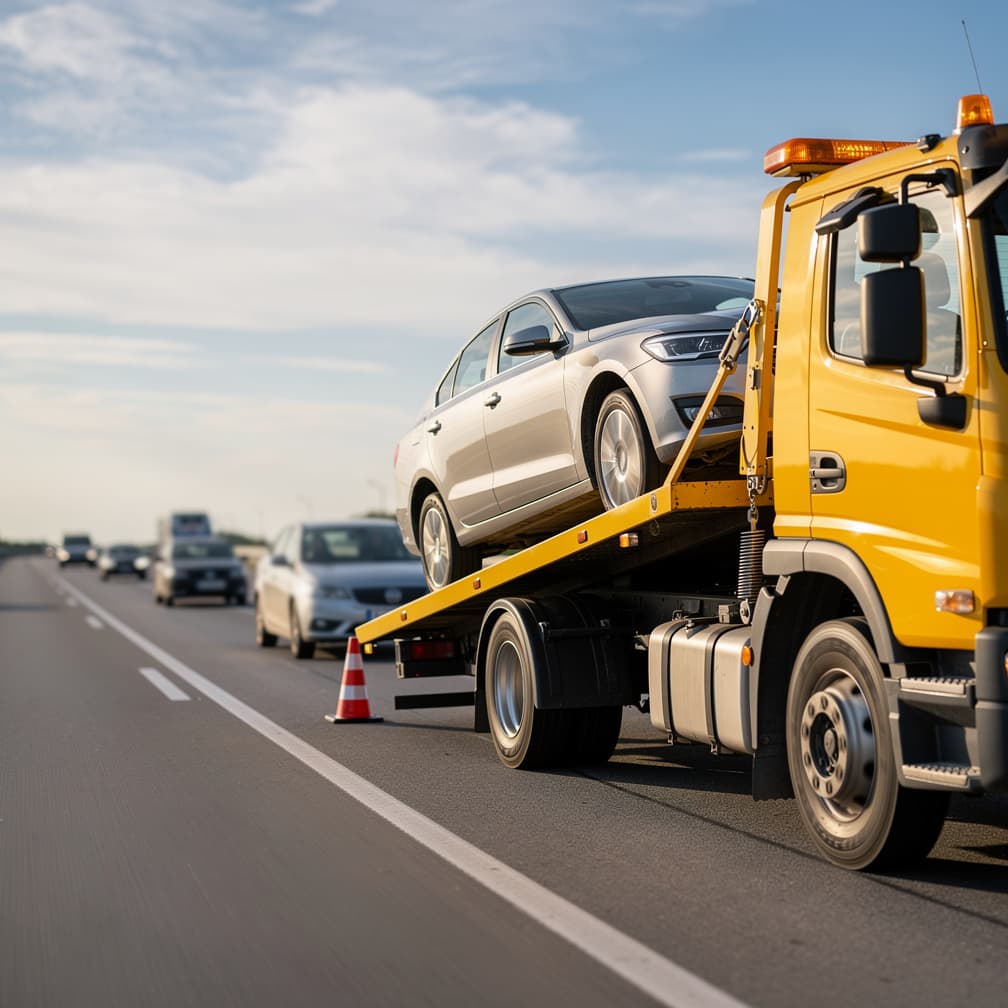
For many operators, the key issue is matching coverage terms to the way each unit is used. A flatbed handling dealer transfers and disabled vehicles from highway shoulders presents a different claim pattern than a wheel-lift unit working apartment complexes, private property impounds, and short urban relocations. If your schedule includes accident scenes, off-road winching, or recovery work after storms, ask where the on-hook exposure begins and ends during those handoffs. On-hook towing insurance can help cover damage to a customer's vehicle while it is attached to, loaded onto, carried by, or unloaded from your truck. If your policy only mentions transport and a customer claims the damage started during loading, vague wording can turn a defensible claim into a costly dispute.
You should also review whether your limit fits the priciest unit you are realistically willing to tow, not the average car on your route sheet. In a state where one truck may cover a wide territory, a single unit can end up moving everything from older sedans to newer pickups and commercial vans in the same week. If you subcontract, swap trucks, or use temporary drivers, bring that up before binding coverage.
Coverage Included
Collision on Hook
Covers damage to towed vehicles from collisions during transport.
Comprehensive on Hook
Covers theft, fire, and weather damage to vehicles being towed.
Loading & Unloading
Covers damage during the process of loading and unloading vehicles.
Winching Coverage
Covers damage to vehicles during winching and recovery operations.
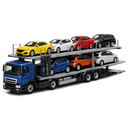
Multiple Vehicle
Covers all vehicles on multi-car carriers and rollback flatbeds.
Industries & Insurance Needs in Charleston
Kanawha County's business mix changes the kind of towing work that can create on-hook exposure. Health care and social assistance accounts for 14.4% of county establishments, retail trade 14%, and other services, except public administration, 12.8%, so a meaningful share of local calls can involve customer vehicles in medical campuses, shopping areas, repair-adjacent lots, and service businesses where access is tight and the owner notices damage immediately. That usually means you should not review on-hook limits in isolation. Ask for terms to be matched against the vehicles you most often move from these properties, how often you tow after hours, and whether your paperwork supports condition documentation before hookup and at release. If your book is shifting toward more private-property or commercial-lot work, say that up front so the quote reflects the exposure you are actually taking on.
What Makes Charleston Different
Downtown density is what changes the calculus here. In a market with tight streets and structured parking, the issue is often not tow distance but how much can go wrong during hookup and unloading in confined spaces. A short local tow can still produce a serious dispute if a vehicle is alleged to have been damaged while in your care on the truck. A Charleston-area buyer usually gets more value from reviewing job mix than from chasing a bare minimum limit. If your operation is taking more calls from garages, property managers, hospitals, or shopping centers, your quote request should reflect the actual vehicles, locations, and handoff procedures involved. An application that mirrors your daily work can help you spot gaps before a claim does.
Our Recommendation for Charleston
Start with your last few months of tickets and group them by source. That review may reveal whether your current limit was built for yesterday's work instead of today's. If you handle more apartment, hospital, or retail-lot removals, your policy should address damage allegations tied to loading, securing, transport, and unloading, not just the drive itself. Driver documentation habits also matter, so review how pre-tow photos are captured, where they are stored, and who confirms release condition at drop-off. If you are renewing after adding a truck or changing territory, a quote built around your current dispatch area, truck types, and highest-value vehicles commonly towed may better match what your drivers actually face.
Get On-Hook Towing Insurance in Charleston
Enter your ZIP code to compare on-hook towing insurance rates from carriers in Charleston, WV.
Business insurance starting at $25/mo
FAQ
Frequently Asked Questions
Charleston operators often face tighter access, shorter but more technical tows, and faster damage allegations from owner-facing jobs. Your on-hook limit may need to fit the vehicles and locations you handle most often, especially if your work has shifted toward garages, retail lots, or medical campuses.
Kanawha County has 4,483 business establishments. The practical takeaway is that about a third of your incoming calls may come from commercial properties or fleet accounts that want proof of coverage before sending repeat work.
Charleston buyers may benefit from describing whether they handle private-property removals, breakdown tows, repair-shop moves, apartment calls, or commercial-lot work. That helps the quote reflect how vehicles are actually hooked, carried, and unloaded in local conditions.
Kanawha County's establishment mix includes health care and social assistance at 14.4%, retail trade at 14%, and other services at 12.8%. For a tow operator, those sectors tend to generate more lot, campus, and customer-facing jobs where condition documentation can matter as much as the tow itself.
Operators handling rural tows should review it closely because longer routes, narrow roads, and remote pickups can make damage disputes harder to sort out. The right question is whether your limit and documentation process fit the toughest vehicles and routes you actually accept.
Quote comparisons work best when you line up service mix, truck type, limit, and documentation requirements side by side. Do not compare premium alone if one quote assumes routine roadside towing and another is being asked to contemplate impounds, recovery work, or longer rural transports. The differences between those submissions often explain why two premiums that look similar on the surface may not offer the same protection when a claim hits.
Terrain can affect underwriting because steep grades, uneven shoulders, and remote recovery points change how a vehicle is loaded, secured, and transported. If those jobs are part of your normal dispatch pattern, describe them clearly before binding so the quote reflects real operating conditions.
Insurance policies are regulated by the West Virginia Offices of the Insurance Commissioner. That agency handles state notices, form oversight, and complaint resolution if a dispute arises over your coverage.
Sources
- 1.U.S. Census Bureau, County Business Patterns, Kanawha County(Kanawha County has 4,483 business establishments, so a lot of your calls can come from commercial properties, fleet accounts, vendors, and employee parking situations where proof of coverage and clear handling procedures matter before work is assigned.; Health care and social assistance accounts for 14.4% of county establishments, retail trade 14%, and other services, except public administration, 12.8%, so a meaningful share of local calls can involve customer vehicles in medical campuses, shopping areas, repair-adjacent lots, and service businesses where access is tight and the owner notices damage immediately.)
Updated July 16, 2026





