Updated July 16, 2026

Key Takeaways
- Review your construction contract before requesting a quote, so the named insureds and insurance responsibility match the job documents.
- Prepare the project budget, timeline, address, and scope summary before applying, so the quote reflects the work actually being built.
- Check whether the policy addresses on-site materials, transit, temporary structures, and soft costs before the first delivery arrives.
- Compare the policy term against your realistic completion schedule, then ask about extension options before the original term gets close to expiring.
- Map builders risk against your liability, installation, and equipment policies, so you avoid both coverage gaps and overlapping property insurance.
Builders Risk Insurance in West Virginia
Whether you are financing a custom home outside Morgantown or renovating a mixed-use building in Charleston, course of construction coverage rarely structures the same way twice. One project may hinge on protecting staged materials, temporary works, and a draw schedule tied to construction milestones. The other may need closer review of original building exposure, occupied portions of the property, and who carries the risk for partial turnover during the job.
That is where state-level buying details matter. In West Virginia, terrain, weather shifts, and site access can change how underwriters look at a project timeline, security plan, and where materials sit before installation. Contract language also matters early, because owners, lenders, and general contractors often assign insurance responsibility differently on residential, commercial, and rehab work. Before you request a quote, line up the construction contract, project budget, build schedule, site address, and a clear list of who needs to be named. That gives you a cleaner review and helps you catch gaps before work, deliveries, or loan disbursements move ahead.
What Builders Risk Insurance Covers
A typical policy can help cover the structure under construction, materials waiting on site, items stored away from the project before delivery, and temporary structures or equipment support that keep the job moving. A hillside custom build, a downtown rehabilitation, and a light commercial shell each create different property-in-transit, storage, and jobsite control issues. Instead of assuming the same form works for every job, review how the work is staged from delivery through installation and handoff.
For many projects, the key question is not just whether the structure under construction is scheduled correctly. You also need to check whether the policy is designed to address those materials and temporary structures. If your project uses phased construction, partial occupancy, or owner-furnished materials, those details should be raised before you finalize your policy, not after a loss.
West Virginia weather and terrain can also affect how you think about soft spots in the build plan. If access roads are narrow, deliveries are staggered, or materials sit longer before installation, ask for a specific review of where property is located at each stage. If you are renovating an existing building, distinguish between the value of the work being installed and property that should be handled under another policy, and confirm how the occupied portion is treated. That helps you avoid assuming the builders risk form responds to property that may need to be insured elsewhere.
A useful quote request in this state usually includes the construction type, completed value, project term, security measures, storage arrangements, and whether any part of the building remains in use. That level of detail gives you a better chance of matching the policy to how the job actually runs.

Structure Coverage
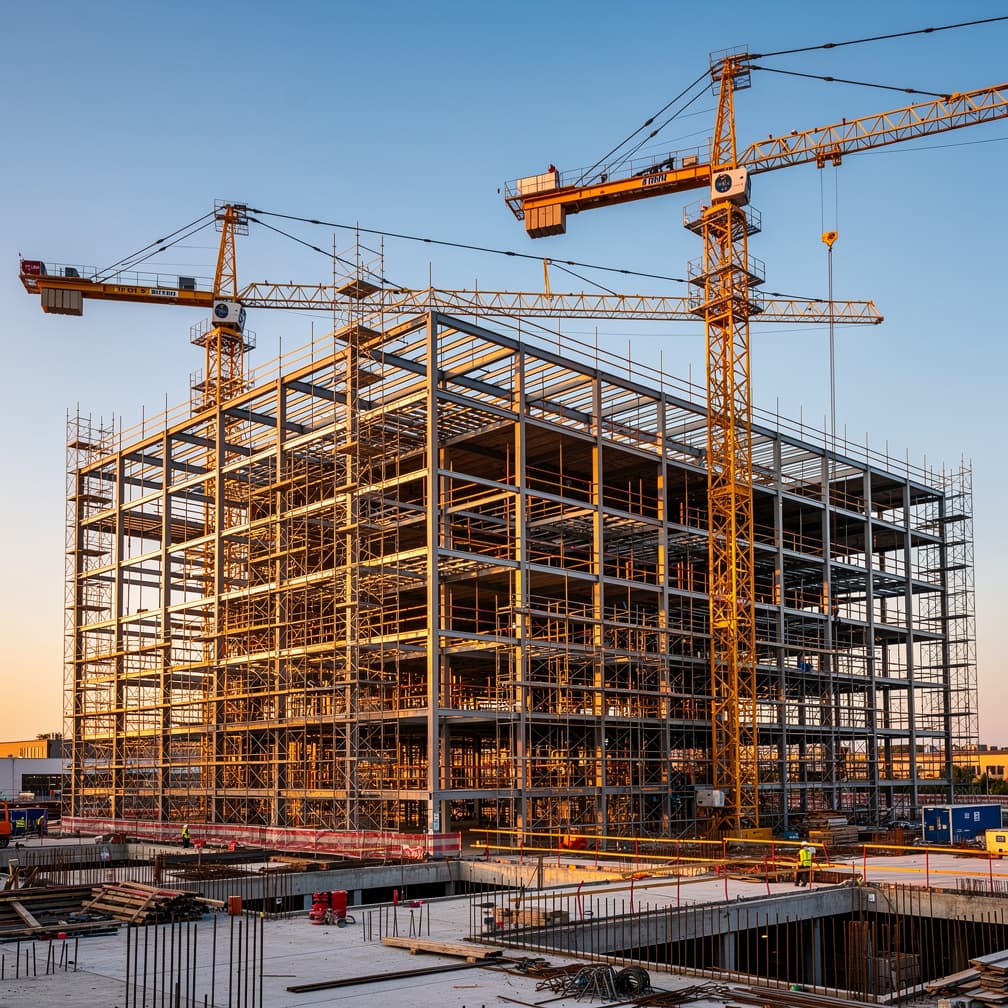
Covers the building or structure under construction.
Materials on Site
Covers building materials stored at the construction site.

Materials in Transit
Covers materials being transported to the job site.
Temporary Structures
Covers scaffolding, fencing, and temporary buildings.

Soft Costs
Covers additional expenses from construction delays due to covered losses.
Equipment Coverage
Covers permanently installed fixtures and equipment.
Builders Risk Insurance Requirements in West Virginia
- West Virginia terrain can complicate deliveries and staging, so review whether materials are protected the entire time they wait for installation.
- Projects with narrow access roads or remote sites should explain security, inspection routines, and weather interruption procedures before underwriting is finalized.
- Renovation work in occupied West Virginia buildings needs a clear boundary between the value of the work being installed and property insured elsewhere.
- If your project uses phased turnover or early occupancy, confirm how those milestones affect the builders risk policy's end of coverage.
How Much Does Builders Risk Insurance Cost in West Virginia?
Builders risk pricing in West Virginia is usually driven by underwriting details that show how difficult the project is to place and how likely it is to produce a claim. The biggest cost drivers are still the completed value, construction type, project length, and scope of work, but local operating conditions can change how those factors are viewed. A straightforward new build on an accessible site may be easier to underwrite than a renovation where materials are delivered in phases, the structure is partly occupied, or the site has limited access for securing property after hours.
If your project sits in an area where weather can interrupt sequencing, underwriters may look more closely at contingency time in the schedule. They may also focus on how long materials remain exposed before enclosure and whether critical components are stored on site or elsewhere. Give the insurer a realistic completed value, not a rough placeholder. Break out major material categories if the project includes owner-supplied items or long-lead components. Show how the site will be secured, who checks it after hours, and whether there are cameras, fencing, locked storage, or documented delivery procedures.
If the project is a renovation, identify the value of the work being put in place versus property that should be handled under another policy. You should also ask how the quote changes if the completion date slips, if occupancy begins in phases, or if materials are stored off site before installation. Those questions do not just affect price. They help you understand whether the policy terms still fit if the job stops looking like the original schedule.
Request a Quote Comparison
Enter your ZIP code to compare builders risk insurance rates from top carriers.
Business insurance starting at $25/mo
Who Needs Builders Risk Insurance?
On West Virginia projects, the party that should buy builders risk is the party the contract makes responsible for insuring the work, but that answer is not always obvious until you read the agreement line by line. Owners often purchase it on ground-up residential or commercial jobs because they control the site and have the largest financial stake in the completed structure. General contractors may handle it on design-build work or where the contract requires them to carry project property coverage for the owner's benefit.
That matters even more on renovation work. If a building stays partially occupied during construction, the owner may need one policy approach for the existing property and a separate review for the new work being installed. If a lender is involved, the loan documents may also require evidence of coverage before funds are released for certain phases. Waiting until closing or the first draw request can create avoidable delays.
Subcontractors usually do not buy the main policy for the whole project, but they still have a reason to care about how it is written. If they are furnishing high-value materials, fabricating components off site, or storing items before delivery, they should confirm whether the project policy is intended to respond or whether another policy needs to pick up that exposure. Owner-builders should be especially careful in West Virginia. If you are acting as your own general contractor, carriers may want a clearer picture of your experience, the subcontractor roster, the construction schedule, and who is responsible for site security. The right buyer is the one with contractual responsibility and a practical ability to document the project from start to finish.
Builders Risk Insurance by City in West Virginia
Builders Risk Insurance rates and coverage options can vary across West Virginia. Select your city below for localized information:
How to Buy Builders Risk Insurance
Buying builders risk correctly in West Virginia starts with assembling the project file before anyone asks for a bind order. Begin with the signed or draft construction contract, because that document usually tells you who must insure the work, which parties need to be named, and whether the requirement applies to the full completed value or only certain phases. Then gather the project address, construction budget, timeline, plans or scope summary, and a list of any lender requirements.
Next, map the property flow. Identify what will be delivered directly to the site, what will be stored elsewhere, and whether any owner-furnished materials are part of the job. If the project is a renovation, note whether the building is vacant, partially occupied, or fully occupied during the work. Those details can change how the quote is structured and whether another policy needs to coordinate with the builders risk form.
You should also prepare a short operational summary for the underwriter. Explain site security, fencing, lighting, locked storage, camera systems, and who inspects the property after hours or during weather interruptions. If the site is difficult to access or the schedule depends on staged deliveries, say so early. Surprises discovered late in underwriting are one of the fastest ways to slow down binding.
Before you purchase, compare quotes on terms, not just price. Check the covered property description, named insureds, covered locations, valuation basis, end of coverage triggers (for example, the policy may void 60 days after the building is occupied), and any conditions tied to occupancy or completion. Request a quote through CPK Insurance to compare your options with participating licensed providers.
How to Save on Builders Risk Insurance
Real savings come from making the project easier to underwrite and less likely to generate a disputed claim. Start by tightening the submission. A complete scope description, realistic budget, accurate completed value, and credible timeline reduce guesswork for the underwriter. If your numbers change later, update them ahead of finalizing coverage or renewal discussions rather than hoping the original estimate is close enough.
Security planning can also help. If materials are vulnerable to theft or weather damage before installation, show how they will be protected. Locked storage, documented delivery acceptance, limited laydown time, and a clear chain of responsibility for site checks can all support a cleaner underwriting review. The same goes for renovation work. If you distinguish between the value of the work being installed and property that should be handled under another policy and explain how occupied areas are isolated, you make it easier to quote the right exposure instead of a broader, more uncertain one.
Another way to control cost is to avoid buying the wrong term or the wrong scope. If the project schedule is aggressive but realistic, do not pad it without reason. If it is likely to run long, ask upfront how extensions are handled so you are not forced into a rushed fix later. If materials are stored off site, confirm whether that exposure belongs in the builders risk policy or somewhere else. Paying for assumptions you do not need is not a savings strategy.
Finally, compare quotes with the contract in hand. A lower premium does not help if the named insureds, lender interests, or project description do not match the agreement. The least expensive mistake on paper can become the most expensive problem during a loss review.
Our Recommendation for West Virginia
For West Virginia projects, treat the quote process like a preconstruction meeting, not a formality. Start with the contract and schedule of values, then test each assumption against how the job will actually run. If the site is hard to access, if materials will be staged before installation, or if part of the building stays occupied, bring that up in the first conversation. Those details often matter more than a buyer expects.
On residential custom builds, ask whether the policy setup still works if the owner upgrades finishes mid-project or supplies specialty materials directly. On commercial renovations, ask where the builders risk policy stops and where the property policy for the original structure begins. That boundary is where many misunderstandings start.
You should also review the end triggers carefully. Coverage may change or end based on completion, occupancy, acceptance, or other policy terms, and those milestones do not always line up neatly with punch-list work or phased turnover. If your lender, owner, and contractor each use different language for the same milestone, reconcile that before you bind the policy.
If you want a smoother purchase, send one organized package. Include the contract, budget, timeline, site address, named parties, storage plan, and security details. That gives you a better quote review and fewer last-minute corrections.
FAQ
Frequently Asked Questions
West Virginia projects often face underwriting questions about site access, material staging, and delays after weather interruptions. If your build depends on narrow roads, hillside grading, or exposed storage before enclosure, raise those details early so the quote matches the real job conditions.
West Virginia owner-builders can often seek coverage, but the quote usually depends on your construction experience, subcontractor plan, project budget, and site security. Prepare a clear scope summary and contract package before requesting terms.
West Virginia projects with phased turnover or occupied areas should review end-of-coverage triggers ahead of finalizing the policy. If tenants, owners, or business operations enter part of the building early, the builders risk form may need closer coordination with other property coverage.
West Virginia renovation quotes move faster when you send the contract, project address, budget, timeline, scope of work, occupancy status, and a breakdown between original building values and new work. That helps the underwriter separate exposures that belong under different policies.
The West Virginia Offices of the Insurance Commissioner at [wvinsurance.gov](https://www.wvinsurance.gov) provides licensing and consumer information. You can check that resource if you want to confirm the company or producer you are working with is properly regulated in the state.
West Virginia projects should describe stored materials carefully if items will sit off site, in temporary storage, or at the jobsite for extended periods. That is especially important when deliveries are staggered and installation does not happen immediately after arrival.
West Virginia lenders often want the project details to line up cleanly with the loan file, including the site address, completed value, named interests, and policy term. Review those items against the construction contract before you ask for final evidence of coverage.
Builders risk insurance may cover, subject to policy terms, the structure under construction, materials on site, materials in transit, temporary structures, and fixtures or equipment being installed. Depending on the policy, you can also review soft costs and delay-related coverage tied to a covered property loss.
Sources
- 1.West Virginia Offices of the Insurance Commissioner(In West Virginia, the regulator is the West Virginia Offices of the Insurance Commissioner.)
Updated July 16, 2026