Updated July 16, 2026

Key Takeaways
- Compare quotes using the same peak inventory value, deductible, and valuation assumptions so you can see real coverage differences.
- Ask in writing how the policy handles hail, flood, theft, vandalism, and test drives before you bind coverage.
- Prepare a current inventory schedule, offsite storage list, and security summary before requesting dealer open lot insurance quotes.
- Review whether flood needs separate placement instead of assuming another policy form includes it automatically.
- Requote after security upgrades, lot layout changes, or improved claims history so pricing reflects your current risk.
Dealer Open Lot Insurance in West Virginia
A small independent dealer in Beckley with a tight used inventory does not face the same insurance choices as a larger operation near Charleston that rotates units between the main lot, overflow storage, and reconditioning. One may need tighter attention on concentration of value in a compact space. The other may need clearer terms for offsite storage, vehicle movement, and how losses are documented across multiple locations. That is why dealer open lot insurance in West Virginia works better when the quote is built around how your inventory is actually parked, moved, and secured, not just how many units you carry.
Terrain, weather shifts, and lot layout can change the loss picture from one county to the next. A hillside lot with runoff concerns creates different questions than a flat paved site with street visibility after hours. If you buy at auction, move units between lots, or keep overflow inventory away from your sales address, those details should be on the application before you bind coverage. A useful next step is to note who has custody of keys and prepare a quote built around those real operating habits.
What Dealer Open Lot Insurance Covers
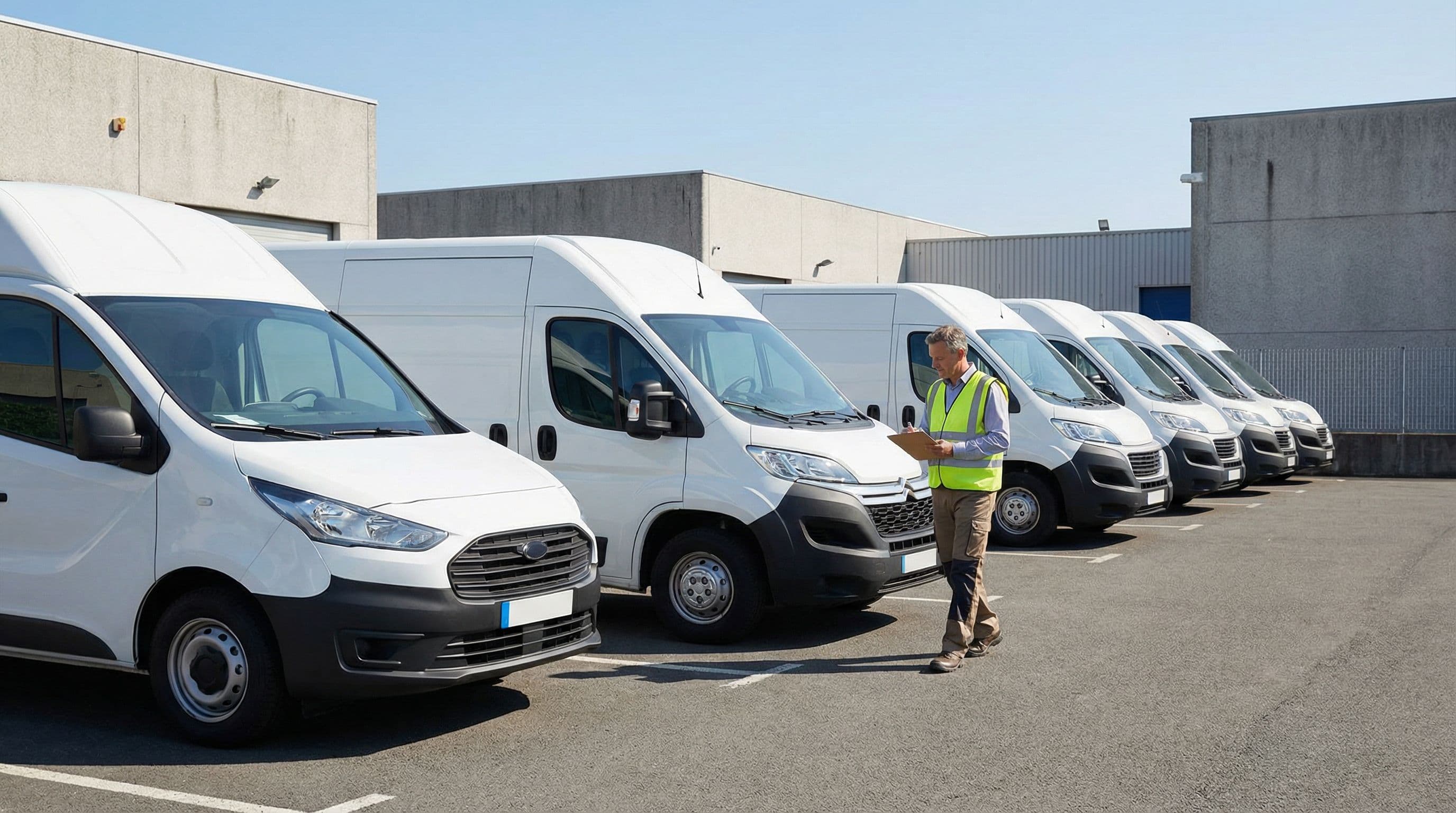
Coverage conversations tend to go better when you start with how your inventory is actually parked and moved. A dealer with all units parked on one fenced lot has a different exposure than a dealer that stages fresh arrivals behind the shop, stores overflow inventory on a second parcel, and sends vehicles through outside vendors before they are front-line ready.
You should review how the policy treats vehicles at your primary lot, temporary storage areas, service or detail locations, and any place inventory sits overnight away from the sales address. If your operation uses a separate overflow lot, ask for that address to be reviewed directly instead of assuming it is picked up automatically. If units move between locations, confirm how that movement is treated and what records you need to keep if a claim follows.
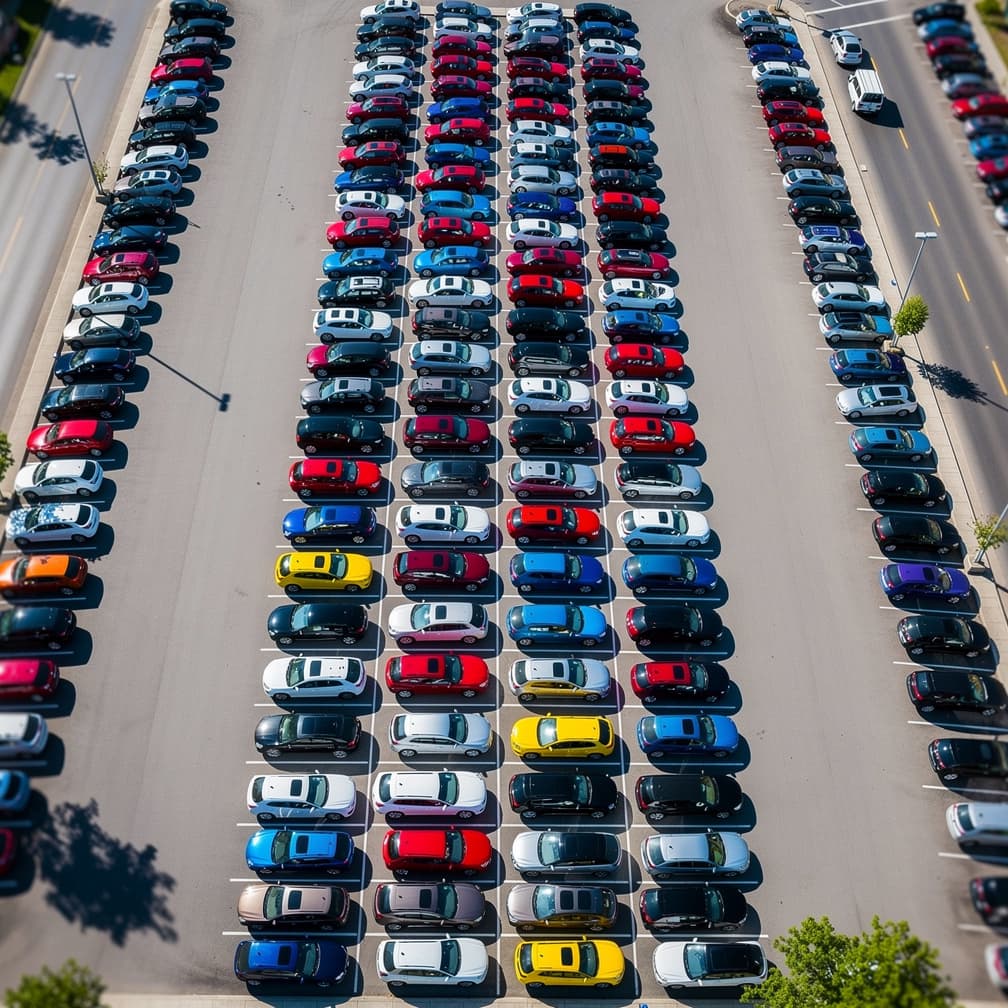
Weather and site conditions also make physical layout worth discussing in plain terms. A lot with uneven grading, limited drainage, tree exposure, or narrow access lanes can create a different loss pattern than a broad paved site with controlled entry. If your inventory is packed tightly, ask how the policy responds when one event affects multiple units at once. If you keep higher value vehicles in a distinct area, note that in the submission so limits and deductibles can be reviewed against the actual concentration of value.
For licensing information, complaint resources, and policy handling questions, the West Virginia Offices of the Insurance Commissioner is the state office to check while you compare terms and endorsements.

Weather Damage
Covers hail, wind, flood, and storm damage to lot inventory.
Theft Protection
Covers vehicles stolen from your lot.
Fire Damage
Covers fire and explosion damage to inventory vehicles.

Vandalism
Covers intentional damage to vehicles on your lot.
Test Drive Coverage
Covers vehicles during customer and employee test drives.
Transit Coverage
Covers vehicles being moved between lot locations.
Dealer Open Lot Insurance Requirements in West Virginia
- Lot layouts here can vary from flat roadside parcels to sloped sites with runoff concerns, so location details should be described with more precision than a mailing address alone.
- If your dealership uses a second parcel, hillside overflow area, or nearby service address, ask for each location to be reviewed explicitly before binding coverage.
- Weather-driven losses can affect several units at once on tightly packed lots, which makes concentration of value and deductible selection worth reviewing together.
- Dealers that move inventory between sales, recon, and storage areas should keep written movement and key-control procedures to support both underwriting and claims handling.
How Much Does Dealer Open Lot Insurance Cost in West Virginia?
Dealer open lot pricing usually turns on exposure quality more than a simple vehicle count. Underwriters want to understand the total value you hold for sale, but they also look at how that value is distributed across the lot, whether inventory is concentrated in one area, and how often units are moved between addresses. A dealer with a modest number of higher value trucks can present a different risk than a dealer with more units spread across several lower value price points.
Your location setup matters. If inventory stays at one address with controlled access, consistent lighting, and documented key control, the file is easier to evaluate than a submission with informal overflow parking or occasional offsite storage that is not clearly listed. If you use a second lot, a repair facility, or a storage yard, include each location up front. Leaving those details for later can slow the quote or create avoidable questions about where a loss occurred.
Weather exposure and terrain can also affect how an underwriter views the account. A paved lot with good drainage, clear traffic flow, and separation between sale units and repair vehicles is easier to defend than a crowded site where runoff, debris, or vehicle stacking creates uncertainty after a storm. The same applies to theft controls. If you can show camera coverage, gate procedures, key logs, and who is authorized to move units after hours, you give the carrier a cleaner picture of the risk.
To get a quote you can actually compare, submit a current inventory list, the highest total inventory value you expect to carry, every storage address, your security controls, prior losses, and any seasonal changes in stock. Then review limits, deductibles, and location wording side by side instead of focusing only on the first premium number you see.
Request a Quote Comparison
Enter your ZIP code to compare dealer open lot insurance rates from top carriers.
Business insurance starting at $25/mo
Who Needs Dealer Open Lot Insurance?
The buyers who most often need this coverage are dealers whose inventory sits outdoors, moves between addresses, or stays exposed before delivery to the retail customer. That includes used auto dealers with a single roadside lot, larger operations with overflow storage, powersports sellers with seasonal swings in inventory, and trailer dealers that keep units visible from the highway but not always inside a fenced footprint. The common issue is not the sign over the door. It is whether you own the units for resale and keep them exposed to loss while they are in your care.
State-specific operating habits make the need more obvious. If you buy vehicles at auction and hold them briefly before recon, your exposure starts before the unit is fully merchandised. If you move inventory between a sales lot and a nearby service address, you should review how that movement is handled. If your lot is narrow, sloped, or split by separate parcels, ask whether the policy schedule matches the way inventory is actually stored at night.
This also matters for dealers that look small on paper but carry meaningful value in a limited space. A compact lot can still hold a large concentration of inventory, and one event can affect several units at once. Dealers that rely on temporary parking arrangements, shared access drives, or informal overflow areas should be especially careful, because a claim often turns on whether the storage setup was disclosed clearly at binding.
If you are renewing, do not assume last year's structure still fits. A change in inventory mix, a second storage address, or a new reconditioning workflow can change what should be scheduled and how your deductible feels in a real loss. Before renewal, compare your current lot map and inventory practices against the policy you have now.
Dealer Open Lot Insurance by City in West Virginia
Dealer Open Lot Insurance rates and coverage options can vary across West Virginia. Select your city below for localized information:
How to Buy Dealer Open Lot Insurance
Buying this coverage goes more smoothly when you prepare the file the way an underwriter will review it. Start with a current inventory report that shows the units you own for sale and the values you want considered. Build a simple location schedule with every address where inventory sits, even if a second site is used only for overflow or short-term storage, and if vehicles spend nights anywhere other than the main lot, put that in writing before you request terms.
Next, document how inventory moves. Note whether units go to a separate recon area, detail shop, body shop, or storage parcel before they are front-line ready. If employees drive vehicles between addresses, explain who is allowed to move them and how keys are controlled. A clean submission answers those questions early and reduces the chance that a quote comes back with assumptions you did not intend.
Photos help, so include current images of fencing, gates, lighting, camera placement, lot surface, drainage, and the spacing between vehicles. Site conditions can vary sharply, so visual proof of how the lot is laid out gives the carrier more than a mailing address. If your lot has a slope, retaining edge, gravel section, or separate upper and lower parking areas, show that clearly.
Then review the quote for operational fit, not just price. Check the named locations, deductible structure, any conditions tied to security, and how offsite storage or ordinary movement is addressed. Ask what documentation would be needed after a weather loss, theft, or multi-unit event. Before binding, confirm that the addresses, inventory values, and overnight storage practices on the application match your real operation. That step is often what separates a smooth claim from a disputed one. Request a quote through CPK Insurance to compare your options with participating licensed providers.
How to Save on Dealer Open Lot Insurance
Saving money on this coverage usually comes from making your account easier to understand and easier to defend. Start with inventory discipline. Keep a current unit list, record where each vehicle sits overnight, and update your location schedule when overflow storage changes. If an underwriter sees a clear process instead of a rough estimate, the quote is more likely to reflect your actual controls rather than broad assumptions.
Physical lot management also matters. Improve drainage where water collects, keep sale units separated from repair vehicles, and avoid packing inventory so tightly that one incident can damage several units. If your lot includes gravel, a slope, or a lower section that holds runoff, address that before renewal and document the change. In a claim, visible risk controls can matter almost as much as the policy language.
Security savings are often practical rather than dramatic. Tighten key control, limit after-hours access, maintain working cameras, and keep lighting consistent across the whole lot, not just near the office. If you use a second storage address, apply the same standards there. A well-secured main lot does less good if overflow inventory sits in a weaker location that was barely described on the application.
You can also save by choosing a deductible you can actually absorb without straining cash flow. A higher deductible may lower premium, but it only helps if you can fund it after a multi-unit loss. Review that choice against your inventory concentration and seasonal stock levels. Better data often produces better terms than a rushed application with missing addresses, vague values, or no explanation of how vehicles move through your operation.
Our Recommendation for West Virginia
If your inventory sits on a slope, across split parcels, behind the shop, or at an overflow address, show that clearly in the submission. A carrier can only quote the exposure it sees on paper.
I would also review concentration of value, not just total inventory value. A smaller lot can still carry significant exposure in a single weather event or security failure. If your higher value units are grouped together, ask whether your limit and deductible still make sense for that layout.
Do not let offsite storage stay informal. If vehicles spend nights at a second address, a service location, or a temporary holding area, get that reviewed before binding. The same goes for routine movement between locations. Those are ordinary dealership habits, but they still need to be reflected accurately.
Finally, use renewal as an operations audit. Compare your current application against how the dealership actually runs today: where units are parked, who controls keys, which vendors handle vehicles, and whether any new parcel is being used. Then update your file with those details so you are not relying on an old picture of the risk.
FAQ
Frequently Asked Questions
Yes, if vehicles are owned for resale and sit exposed on the lot or at overflow storage. Small footprint does not always mean small exposure, especially when several units are parked close together.
It may, depending on how the policy is written and whether that address is disclosed. Ask for every overnight storage location to be reviewed directly before binding, rather than relying on assumptions.
Submit a current inventory list, every storage address, photos of security and lot conditions, and a clear explanation of how vehicles move between sales, recon, and storage areas.
Review site layout, drainage improvements, vehicle spacing, and where higher value units are parked. Those details can affect how an underwriter views the account and how a claim is documented.
Insurance questions fall under the West Virginia Offices of the Insurance Commissioner. That is the state office to check for licensing information, complaint resources, and general regulatory guidance while you compare policy terms.
Yes. Disclose overnight storage at repair, detail, or recon locations before coverage is bound. If inventory regularly leaves the main lot, that operating habit should appear in the application and location review.
Yes, because the issue is concentration of value, not just acreage. If several higher value units are grouped together, one event can affect more inventory than you expect.
Dealer open lot insurance nationwide is generally reviewed for damage or loss to vehicles you own for sale, including hail, wind, theft, vandalism, fire, flood, and test drive exposure, depending on your policy terms, deductibles, valuation method, and any location or off-premises limitations.
Sources
- 1.West Virginia Offices of the Insurance Commissioner(The state regulator is the West Virginia Offices of the Insurance Commissioner.)
Updated July 16, 2026