Updated July 16, 2026

Car Insurance in Green Bay
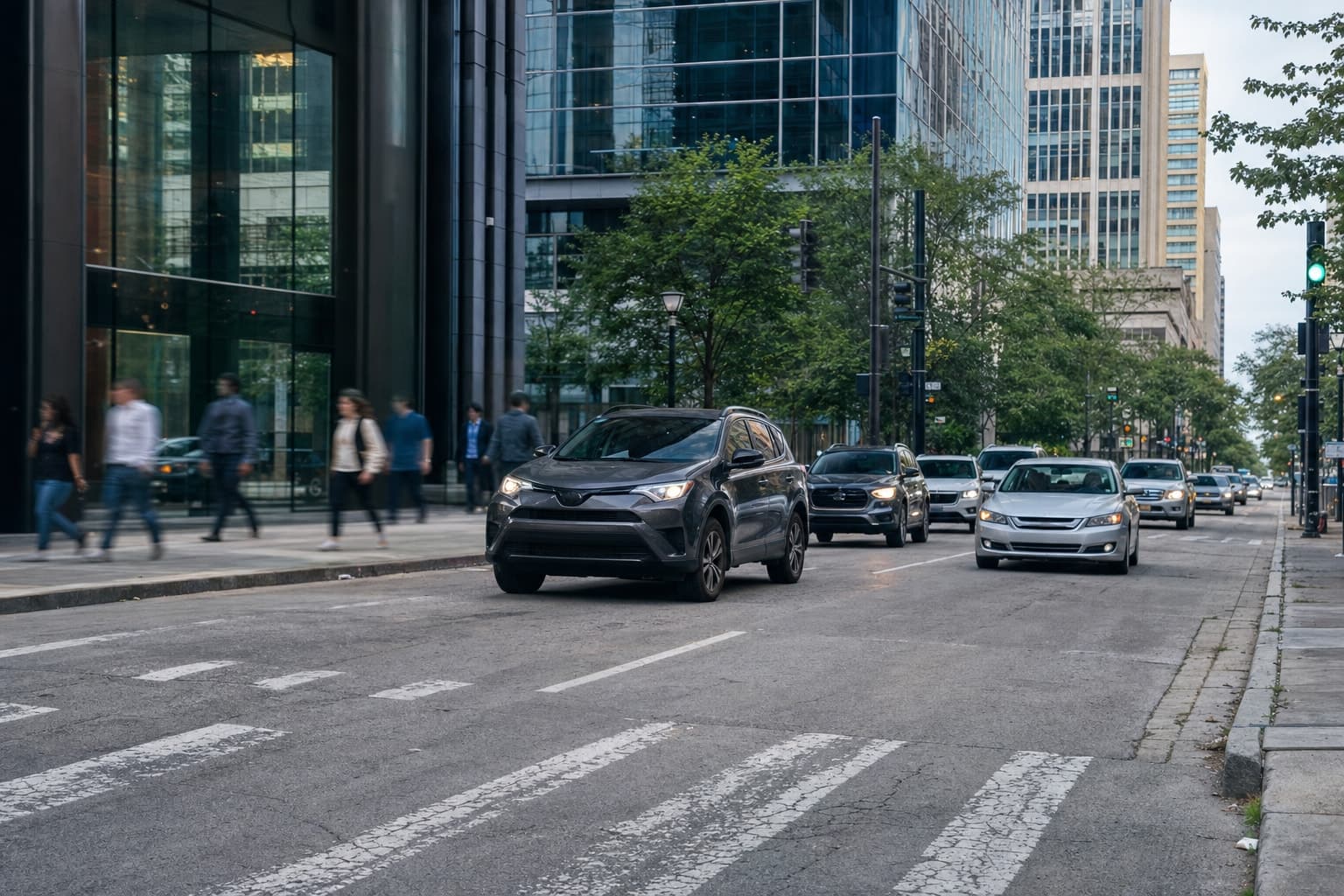
Driving in Green Bay means splitting time between quiet neighborhood streets, busy retail corridors, and event traffic that can turn a normal trip into a stop-and-go crawl. Comparing car insurance here means looking past a bare statewide template. A useful policy accounts for where your vehicle sits curbside, who shares it for work or errands, and how often you deal with heavier congestion near shopping and service areas.
Wisconsin has a moderate climate risk rating. Top hazards: Severe Storm (High), Tornado (Moderate), Winter Storm (High), Flooding (Moderate). The state's expected annual loss from natural hazards is $880M, which influences car insurance premiums and may affect coverage availability in high-risk areas.
What Car Insurance Covers
Coverage here typically centers on liability, collision, comprehensive, uninsured motorist, medical payments, and rental reimbursement. Liability helps with injuries or damage you cause to others, while collision applies when your own vehicle is damaged in an accident. Comprehensive coverage may cover non-collision losses such as weather-related damage that matters in this state's climate profile. Wisconsin has seen its share of tornadoes, severe storms, river flooding, and polar vortex events, so this coverage can be especially relevant for drivers who park outdoors or rely on a vehicle year-round.
Wisconsin also has an uninsured driver rate of 12.4%, which makes uninsured motorist protection an important option for many local drivers. Medical payments coverage can help with covered medical expenses after an auto accident, and rental reimbursement can help keep you mobile while repairs are underway. The state's commercial auto minimums are $25,000/$50,000/$10,000, but personal auto needs can vary, and product terms should be reviewed carefully because coverage requirements may vary by industry and business size. If you are comparing full coverage, the practical question is how much protection you want beyond the state minimums and how your deductible choices affect the policy structure.
Coverage Included

Liability
Can help pay for injuries and property damage you cause to others in an accident, coverage most states require drivers to carry.
Collision
Can help pay to repair or replace your car after a crash with another vehicle or object, regardless of fault.

Comprehensive
Typically covers damage to your car from events other than collisions, such as theft, hail, fire, flooding, or hitting an animal.
Uninsured Motorist
May pay for your injuries and, in some states, car damage when an at-fault driver has no insurance or too little.

Medical Payments
Can help cover medical bills for you and your passengers after an accident, no matter who was at fault.
Rental Reimbursement
May pay for a rental car while your vehicle is in the shop for repairs after a covered claim.
Car Insurance Cost in Green Bay
Average Cost in Wisconsin
$65 - $160
per month
In Wisconsin, car insurance premiums typically run $65 - $160 per month, which tends to run 34% below the national range of $110 - $230 per month.
- Driving record and age
- Vehicle make, model, and year
- Location and commute distance
- Credit-based insurance score
- Coverage limits and deductibles
Contact CPK Insurance for a personalized quote.
Prices shown are general estimates, not guaranteed rates or quotes. Your actual premium will depend on the insurer, coverage selected, personal details, location, claims history, and other underwriting factors. Learn about our pricing methodology.
The average premium range is $65 to $160 per month, with a broader estimate of $110 to $230 per month depending on the policy design and carrier. The typical driver here pays about 8% less than the national average, but the quote still depends on your coverage choices, driving record, and where you live. Drivers in higher-traffic areas such as Madison or Milwaukee may see different pricing than drivers in smaller markets like Eau Claire, La Crosse, or Green Bay because location is one of the main rating factors.
State conditions also matter. Wisconsin's winter storm and severe storm exposure can influence comprehensive coverage decisions, and the 2023 average claim cost of $17,902, which runs higher than in many neighboring states, shows why higher limits or lower deductibles can change what you pay. That figure also exceeds typical minimum liability limits, which is why relying on state minimums alone can leave a gap after a serious accident. The state saw 128,000 crashes in 2023, which means insurers closely review driving history for at-fault accidents and moving violations that signal higher risk. Wisconsin has a large number of insurance companies competing for your business, so comparing quotes across multiple carriers is practical, not optional. For many drivers, the final premium also changes with annual mileage, vehicle type, and whether you add options like rental reimbursement or medical payments.
Industries & Insurance Needs in Green Bay
Brown County's business mix changes how many local drivers use their cars day to day. Retail trade accounts for 12.2% of establishments, health care and social assistance 11.4%, and construction 9.9%, so many households are driving to stores, clinics, job sites, and service calls rather than only making a simple office commute. That can mean more frequent parking lot movement, early or late shift travel, tools or equipment in the vehicle, and occasional use that edges close to business activity. If that sounds like your routine, ask whether your personal auto policy fits how the car is actually used and whether any endorsements are worth reviewing. It is also smart to confirm who is listed as a driver, where the vehicle is principally garaged, and whether a second vehicle should carry different physical damage deductibles based on how often it is used.
What Affects Car Insurance Rates in Green Bay
Green Bay's median household income is $62,546, so the deductible decision is not just a pricing exercise, it is a budget resilience decision. If a cracked bumper, hail damage, or a parking lot collision would force you to pull cash from savings, ask for side by side quotes with more than one deductible and compare the premium difference against what you could comfortably absorb on short notice. That review matters even more if your household depends on one primary vehicle for commuting, school runs, or shift work, because a lower premium can backfire if the out of pocket share is hard to manage after a claim. A practical quote conversation here should test liability limits, collision, comprehensive, rental reimbursement, and roadside options against your actual emergency fund, not just the monthly bill.
What Makes Green Bay Different
Brown County has 6,662 business establishments, which means your car likely sees more time in tight lots and clogged corridors than on open highway. Many claims start with low-speed backing, turning, or door damage rather than a major highway loss. That kind of stop-and-go environment shifts the real risk away from distance and toward where and how your car spends most of its day. In a market shaped by shopping trips, service appointments, and event-driven congestion, many losses are less about long distance driving and more about where and how your car spends the rest of the day.
Our Recommendation for Green Bay
You may want to weigh whether to keep collision and comprehensive on an older vehicle, how high a deductible you can really handle, and whether rental reimbursement would matter if the car sits in a body shop after a low-speed claim. Listing every driver and noting how the car gets used for work or errands tends to matter more than people assume. If one car covers commuting, errands, and occasional work-related stops, your quote should reflect that pattern clearly. The goal is simply matching the policy to your actual parking, driving, and repair-cost situation.
Start with your real use pattern, not a generic online form. When you talk with an agent, walk through where the car is usually parked overnight, whether it spends time in lots during work hours, and which drivers use it every week. If you own an older vehicle, ask for a clean comparison with and without collision and comprehensive. Then weigh that against the amount you would need to repair or replace it after a claim. If your schedule includes retail, health care, or construction-related driving, confirm that your policy description matches that routine and does not leave gray areas around use. Review liability limits with the value of your savings and wages in mind, since a low limit can leave you paying the difference out of pocket after a serious loss. Before you bind coverage, compare at least two deductible options and ask what changes if you add rental reimbursement or roadside assistance.
Get Car Insurance in Green Bay
Enter your ZIP code to compare car insurance rates from carriers in Green Bay, WI.
Car insurance starting at $59/mo
FAQ
Frequently Asked Questions
Share specifics about overnight parking, weekly mileage, who drives the car regularly, and how it gets used for errands or work-related travel. Brown County has 6,662 business establishments, so your daily route probably involves more lot traffic and tight turns than you might assume.
Green Bay households should compare the car's value against the deductible and what they could pay after a loss. With median household income at $62,546, a deductible that looks small on paper can still strain a monthly budget if the car is only worth a few thousand dollars.
Brown County drivers often have routines tied to retail, health care, and construction. Those sectors account for 12.2%, 11.4%, and 9.9% of county establishments, meaning your daily route likely includes more lot traffic and tight turns than you might assume.
Green Bay drivers may want to look into rental reimbursement if one vehicle handles most commuting, school, or shift work. It can be especially useful when a parking lot or low speed collision leaves the car in a repair shop for several days.
Comprehensive coverage is important to review because winter storm and severe storm risks are high, and collision coverage may matter if icy roads lead to an auto accident. Many drivers also look at rental reimbursement so they can keep moving while repairs are completed.
Wisconsin auto insurance requirements should be checked against your vehicle use, but the state also notes that coverage requirements may vary by industry and business size. That means your final quote should be built around your actual driving pattern, not a one-size-fits-all assumption.
Wisconsin's uninsured driver rate is 12.4%, so uninsured motorist coverage can be important if another driver does not have enough protection after a crash. This is especially relevant for commuters and rural drivers who may have longer response times after an auto accident.
Higher deductibles usually reduce premium pressure, but they also increase what you pay after a claim. In Wisconsin, that tradeoff matters because the average claim cost is $17,902, so your deductible should fit your emergency budget and your vehicle value.
Sources
- 1.U.S. Census Bureau, County Business Patterns, Brown County(Brown County has 6,662 business establishments, so local driving is tied to a steady flow of customer trips, employee commutes, delivery activity, and parking lot exposure across the day.; Retail trade accounts for 12.2% of establishments, health care and social assistance 11.4%, and construction 9.9%, so many households are driving to stores, clinics, job sites, and service calls rather than only making a simple office commute.)
- 2.U.S. Census Bureau, ACS 5-Year Estimates, table B19013(Green Bay's median household income is $62,546, so the deductible decision is not just a pricing exercise, it is a budget resilience decision.)
Updated July 16, 2026