
Updated July 16, 2026

Homeowners Insurance in Green Bay
Property managers, mortgage lenders, and local contractors often ask for current proof of coverage before a closing, a renovation draw, or keys change hands. Satisfying them here usually means a declarations page that matches the property address, named insured, mortgagee information, and dwelling limit closely enough that no one has to stop the transaction to fix paperwork. Your policy is really about getting those details right for the house you actually own.
With a median home value of $191,500, many owners are insuring modestly priced homes. That means a small gap between market value, rebuild assumptions, and deductible choice can still matter at claim time. It is worth reviewing replacement-cost language instead of anchoring on sale price alone. If your household budget tracks the city's $62,546 median household income, deductible decisions need to fit what you can actually pay out of pocket after a loss. Before you renew or buy, line up your mortgage clause, recent updates, and any planned contractor work so your quote reflects the property as it sits today.
Wisconsin has a moderate climate risk rating. Top hazards: Severe Storm (High), Tornado (Moderate), Winter Storm (High), Flooding (Moderate). The state's expected annual loss from natural hazards is $880M, which influences homeowners insurance premiums and may affect coverage availability in high-risk areas.
What Homeowners Insurance Covers
A Wisconsin homeowners policy usually centers on dwelling coverage, personal property coverage, liability coverage, additional living expenses, other structures, and medical payments, but the exact language and endorsements vary by carrier and home. The Wisconsin Office of the Commissioner of Insurance regulates the market, yet it does not create a special state mandate that changes the standard home policy structure. That means standard policies still typically may help cover common perils such as fire, wind, hail, theft, and vandalism, while flood damage remains excluded unless you buy separate flood protection. This exclusion matters in Wisconsin because flooding is a real hazard in the state's disaster history, including river flooding in 2023.
Dwelling coverage in Wisconsin should be tied to reconstruction cost, not market value. The state's average dwelling coverage is about $198,400 while median home value is about $248,000. That roughly $50,000 gap exists because market value reflects what a buyer will pay for the property, while dwelling coverage should reflect what it costs to rebuild the structure. If you insure based on sale price, you may fall short on rebuild money after a total loss. Personal property coverage usually needs to be reviewed carefully if you have higher-value belongings, seasonal equipment, or contents stored in basements that can be exposed during severe weather. Liability coverage is especially important if guests visit your property during icy conditions or after storm damage. Additional living expenses coverage in Wisconsin can help if a covered loss forces you out during repairs, which is relevant after winter storm or severe storm damage. Other structures coverage can matter for detached garages, sheds, and similar buildings common on Wisconsin properties, while medical payments coverage can help cover minor injuries on your property without triggering a liability claim.
Coverage Included
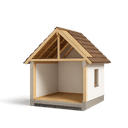
Dwelling
Repairs or rebuilds your home itself, the walls, roof, floors, built-in appliances, and attached structures like a garage, after a covered loss. Set this limit to the full cost of rebuilding, not market value.
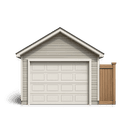
Other Structures
Detached structures on your property, such as a fence, shed, detached garage, or gazebo. Usually set at about 10 percent of your dwelling limit [2].

Personal Property
Your belongings, furniture, clothing, electronics, and appliances, generally written at 50 to 70 percent of your dwelling limit [2]. High-value items like jewelry and art carry special limits.

Additional Living Expenses
Also called loss of use. Pays your added living costs, hotel stays, meals, and a temporary rental, while a covered loss makes your home uninhabitable. Usually set at about 20 percent of your dwelling limit.

Liability
Covers you if someone is injured on your property, or you damage someone else's property, and you are found responsible. The standard $100,000 limit [2] is often raised to $300,000 or $500,000.

Medical Payments
Pays small medical bills, commonly $1,000 to $5,000, if a guest is hurt at your home regardless of fault, without a formal liability claim.
Homeowners Insurance Cost in Green Bay
Average Cost in Wisconsin
$70 - $190
per month
In Wisconsin, homeowners insurance premiums typically run $70 - $190 per month, which tends to run 28% below the national range of $110 - $250 per month.
- Home replacement cost, age, and construction type
- Roof age, material, and condition
- ZIP code and local weather risk (wind, hail, wildfire, hurricane)
- Coverage limits and endorsements
- All-peril and percentage wind/hail deductibles
- Claims history and insurance score where allowed
Typical range for many standard homeowners profiles; lower-risk homes fall below it and coastal, wildfire, or older-roof homes can run well above. Final pricing depends on property details, location, underwriting, and selected coverage.
Prices shown are general estimates, not guaranteed rates or quotes. Your actual premium will depend on the insurer, coverage selected, personal details, location, claims history, and other underwriting factors. Learn about our pricing methodology.
For Wisconsin homeowners, the pricing picture is shaped by a market that is below the national average, but not flat or uniform. The state's average homeowners insurance cost is starting at $98 per month compared with the national average of $165. That $67 difference means a typical Wisconsin buyer may pay about $800 less per year, which can free up budget for higher dwelling limits or lower deductibles rather than simply accepting the cheapest quote. The actual quote still depends on coverage limits, deductibles, claims history, location, and endorsements. Wisconsin's reconstruction cost index is 95, meaning local rebuilding costs run about 5 percent below the national baseline. You should still size your dwelling limit to actual local construction costs rather than assuming a statewide bargain. Labor and materials remain a high-impact factor along with roof age and material, especially after severe storms and winter weather.
Wisconsin sees high risk for severe storm and winter storm events, with moderate flood and tornado risk, so homes in exposed areas may see different pricing than homes in less vulnerable neighborhoods. Wisconsin has about 420 active insurance companies, according to the National Association of Insurance Commissioners. That volume of carriers means two quotes for the same home can differ by hundreds of dollars per year, which is why comparing multiple carriers matters. In practice, your quote is likely to move based on dwelling limit, deductible choice, security features, roof condition, and whether you add endorsements for broader protection.
What Makes Green Bay Different
Affordability discipline shapes the buying calculus here. In a market where the median home value is $191,500 and median household income is $62,546, many owners are not trying to insure a high-end custom build. They are trying to keep a practical house insurable without creating a deductible or coverage gap that becomes a cash-flow problem after a loss. That pushes the review toward line-item decisions. Check whether ordinance or law limits look adequate for an older home, whether personal property limits still fit what is actually in the house, and whether water backup or equipment breakdown endorsements are worth adding.
Keep the policy aligned with what you could realistically pay out of pocket and what it would take to put the home back into service. A useful quote review here compares deductible options against your emergency savings and whether recent repairs or upgrades should change the dwelling estimate.
Our Recommendation for Green Bay
Named insureds, mortgagee clause, property address, and occupancy need to be correct. If any of that is wrong, closings, escrow updates, and contractor certificate requests can stall even when the policy itself is otherwise acceptable. Next, separate home value from rebuild planning. A house can sell around the local median and still need a different dwelling limit once roof type, attached structures, interior finishes, and code-related repair costs are reviewed. If you have done kitchen, bath, electrical, or roofing work, ask that those updates be reflected in the quote inputs rather than assumed away.
Brown County has 6,662 business establishments, with retail trade, health care and social assistance, and construction leading by establishment share. That volume of local business activity means homeowners here often have frequent contractor visits, deliveries, or home service work tied to normal ownership and upkeep. With that much activity on the property, it makes sense to review liability limits, guest injury scenarios, and how claims involving hired work would be handled under your policy terms before you bind coverage.
Get Homeowners Insurance in Green Bay
Enter your ZIP code to compare homeowners insurance rates from carriers in Green Bay, WI.
Home insurance starting at $50/mo
FAQ
Frequently Asked Questions
Green Bay buyers usually need a declarations page showing the property address, named insured, mortgagee information, effective dates, and dwelling coverage. If any of those details are off, a closing or lease-related approval can slow down while documents are corrected.
Green Bay owners should not assume sale price and rebuild cost match. The city's median home value is $191,500. In practical terms, that means reviewing replacement-cost assumptions, updates, and deductible choices matters more than using market value as the only benchmark.
Green Bay households often choose deductibles by balancing premium savings against cash on hand after a loss. With median household income at $62,546, a higher deductible may look attractive. The tradeoff is whether you could actually fund repairs quickly without financial strain.
Brown County has 6,662 business establishments, with retail trade at 12.2%, health care and social assistance at 11.4%, and construction at 9.9%. That concentration in service and construction trades means more contractor and delivery traffic at homes, so reviewing liability limits and claims handling for hired work is worth doing.
In Wisconsin, a standard homeowners policy may cover dwelling damage, personal property, liability, additional living expenses, other structures, and medical payments, but the exact terms depend on the carrier and endorsements. It is especially important to confirm how the policy responds to fire, wind, hail, theft, and storm damage.
Wisconsin's average homeowners insurance cost starts at about $98 per month, well below the national average of $165. Your exact premium can move with dwelling limit, deductible, roof condition, claims history, location, and endorsements.
Mortgage lenders in Wisconsin usually require homeowners insurance even though the state does not legally require every owner to buy it. Lenders often want proof that the dwelling is insured before closing, and they may review coverage limits and deductibles.
If you own your home free and clear, Wisconsin law does not force you to carry homeowners insurance, but the risk of fire, severe storm, winter storm, theft, or liability losses still remains. Many owners keep coverage because a major repair bill can be financially disruptive.
Sources
- 1.U.S. Census Bureau, ACS 5-Year Estimates, table B25077(Green Bay has a median home value of $191,500, so owners should review replacement-cost language instead of anchoring on sale price alone.)
- 2.U.S. Census Bureau, ACS 5-Year Estimates, table B19013(Green Bay has a median household income of $62,546, so deductible decisions need to be realistic for the household budget.)
- 3.U.S. Census Bureau, County Business Patterns, Brown County(Brown County has 6,662 business establishments, with retail trade at 12.2%, health care and social assistance at 11.4%, and construction at 9.9%, so homeowners should review liability limits if contractor or service visits are common.)
Updated July 16, 2026