Updated July 5, 2026

On-Hook Towing Insurance in Green Bay
Brown County has 6,662 business establishments, so local towing operators often work in a market where commercial accounts, property managers, repair shops, and fleet customers expect clean paperwork and a clear process before they release keys. That matters for on-hook towing insurance in Green Bay, because your policy review should match how you actually take custody of vehicles, document pre-tow condition, and hand units off at a shop, lot, or customer site. A light-duty operator handling disabled retail customer vehicles faces a different dispute pattern than a truck moving contractor pickups or service vans between jobs. Here, the buying decision is less about a generic Wisconsin setup and more about whether your limits, deductibles, and claims handling procedures fit the kinds of vehicles you tow and the businesses that refer work to you. If you want a useful quote, bring your truck list, the types of tows you handle most often, where vehicles are stored after pickup, and how drivers record condition before transport.
On-Hook Towing Insurance Risk Factors in Green Bay
Green Bay's top risk factors include Severe weather, Property crime, Flooding, and Vehicle accidents.
Wisconsin has a moderate climate risk rating. Top hazards: Severe Storm (High), Tornado (Moderate), Winter Storm (High), Flooding (Moderate). The state's expected annual loss from natural hazards is $880M, which influences on-hook towing insurance premiums and may affect coverage availability in high-risk areas.
What On-Hook Towing Insurance Covers
In Wisconsin, the useful question is not whether this coverage exists but where your actual loss points show up during a normal week. For many towing businesses, that means looking closely at winter roadside calls, ditch recoveries, parking structure clearances, tight urban hook-ups, and handoffs between tow, storage, and release. Each of those moments can change how damage happens and how a claim is argued.
Ask your quote reviewer to walk through your equipment and service mix in plain operating terms. A flatbed handling dealer transfers may need a different conversation than a wheel-lift unit taking police-directed impounds, and a heavy unit doing recovery work raises different concerns than a light-duty truck focused on short local tows. Review the policy around how vehicles are secured, how often you winch, whether you tow all wheel drive units, whether low-clearance vehicles are common, and whether you move disabled commercial vehicles.
Ice, snow, reduced visibility, and soft shoulders can turn a simple loading job into a question about slide, contact, undercarriage damage, or shifting during transport. That is why it helps to review not only the limit but also the deductible you can realistically absorb, the territory where calls happen, and any exclusions that matter for recovery, impound, or specialty vehicles. Before binding, ask for claim examples tied to your actual dispatch patterns. A good outcome looks like a policy that may help cover a scratched bumper during a tight impound extraction, while a bad outcome is discovering too late that your endorsement excludes ditch recoveries in winter conditions, leaving you to pay for a cracked oil pan out of pocket.
Coverage Included
Collision on Hook
Covers damage to towed vehicles from collisions during transport.
Comprehensive on Hook
Covers theft, fire, and weather damage to vehicles being towed.
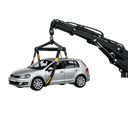
Loading & Unloading
Covers damage during the process of loading and unloading vehicles.
Winching Coverage
Covers damage to vehicles during winching and recovery operations.
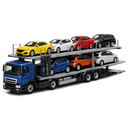
Multiple Vehicle
Covers all vehicles on multi-car carriers and rollback flatbeds.
Industries & Insurance Needs in Green Bay
Brown County's business mix helps explain where towing demand can come from: retail trade accounts for 12.2% of establishments, health care and social assistance 11.4%, and construction 9.9%. So your on-hook review should account for more than private-passenger tows. Retail locations can mean customer vehicles in busy lots, health care related calls can involve time-sensitive relocations and tighter handoff expectations, and construction activity can mean pickups, vans, or work vehicles with equipment-related damage allegations after transport. That mix does not tell you a premium by itself, but it does tell you what to show an underwriter. Be ready to separate roadside assistance from recovery work, note whether you tow commercial units, and explain how drivers photograph condition before loading and after delivery.
What Makes Green Bay Different
Commercial referral pressure is the main thing that changes the buying calculus here. In a county with 6,662 establishments, a towing company is often judged not just on response time, but on whether it can show disciplined custody procedures when a customer vehicle changes hands. That pushes on-hook buying decisions toward documentation and operational fit, not just a limit on paper. If your work comes through shops, landlords, fleets, or local businesses, ask whether your policy structure matches the vehicles you move most often and the way disputes would actually arise. A claim over bumper damage, wheel damage, or a pre-existing condition argument usually turns on records, driver routines, and how clearly your insurance setup aligns with your day-to-day towing work. Review those details before you compare quotes.
Our Recommendation for Green Bay
Start your quote process by sorting your book of business into real towing categories: private-passenger breakdowns, shop-to-shop moves, commercial vehicle tows, and any higher-dispute impound or after-hours work. That gives an underwriter a cleaner picture and can prevent a policy from being reviewed against the wrong exposure. If you serve business clients regularly, ask how condition reports, photos, dispatch logs, and signed releases support an on-hook claim. If your drivers use different equipment for different vehicle types, note that too, because loading method and vehicle class can affect how a damage allegation is evaluated. Green Bay buyers should also review whether their deductible fits cash flow. Even routine vehicle damage can become a meaningful customer dispute, and you want a claims process that is documented well enough to resolve it without guesswork. Bring sample invoices and tow tickets when you request a quote.
Get On-Hook Towing Insurance in Green Bay
Enter your ZIP code to compare on-hook towing insurance rates from carriers in Green Bay, WI.
Business insurance starting at $25/mo
FAQ
Frequently Asked Questions
Green Bay towing companies should lead with truck schedules, typical tow types, storage details, and sample condition reports. In a county with 6,662 business establishments, commercial clients often expect clear documentation before they trust a tow vendor with customer or fleet vehicles.
Brown County business mix can change the discussion. Retail trade is 12.2%, health care and social assistance 11.4%, and construction 9.9%, so you may need to explain commercial vehicle tows, lot pickups, and tighter handoff procedures instead of quoting only personal auto work.
Green Bay operators often face damage disputes at the moment a vehicle is released to a shop, lot, or customer. Clear photos, signed tow tickets, and notes on pre-existing damage can matter as much as the limit you choose.
Green Bay towing insurance usually works better when you separate private auto and commercial tow work during the quote. That helps the underwriter match limits, deductibles, and claims expectations to the vehicles you actually take into custody.
Green Bay customers can dispute even modest vehicle damage, especially when a vehicle is being released to a shop, lot, or owner. That makes careful intake photos, driver notes, and a consistent release process worth reviewing before you bind coverage.
If you move customer vehicles in roadside, recovery, or impound situations where damage can be alleged during the tow, this coverage deserves close attention. Review policy terms and endorsements before you rely on a certificate for new work.
Winter roads can increase the chance of slide, shift, loading, and visibility-related disputes, so your quote should reflect how often your drivers tow in snow, ice, and recovery conditions. Review deductibles, limits, and documentation procedures before renewal.
Flatbeds and wheel-lifts present different claim patterns because the loading method, trip type, and vehicle mix are not the same. Compare quotes using your actual dispatch mix, not a broad towing description, before choosing limits.
Sources
- 1.U.S. Census Bureau, County Business Patterns, Brown County(Brown County has 6,662 business establishments.; Brown County's business mix includes retail trade at 12.2%, health care and social assistance at 11.4%, and construction at 9.9% of establishments.)
Updated July 5, 2026