







































Updated July 16, 2026

Builders Risk Insurance in Milwaukee
Right after a downtown lease is signed for a build-out, or when a house purchase turns into a gut renovation on the East Side, the insurance question gets specific fast. Who is carrying the work in place, the stored materials, and the partially completed value before handoff? Your policy usually becomes a live issue at that moment, not later, because lenders, landlords, and prime contracts often want the responsibility settled before materials are delivered or interior work starts. That review should match the actual project on your desk, whether it is a tenant improvement, a residential rehab, or a ground-up infill job on a tight site. Milwaukee's median home value is $172,000, which means a $60,000 kitchen and interior overhaul can represent roughly a third of the property's finished worth, so a single bad loss could wipe out years of equity growth. That is a cue to check whether your completed value, soft cost needs, and materials-at-site assumptions are still realistic before you bind.
Builders Risk Insurance Risk Factors in Milwaukee
Milwaukee's top risk factors include Severe weather, Property crime, Flooding, and Vehicle accidents.
Wisconsin has a moderate climate risk rating. Top hazards: Severe Storm (High), Tornado (Moderate), Winter Storm (High), Flooding (Moderate). The state's expected annual loss from natural hazards is $880M, which influences builders risk insurance premiums and may affect coverage availability in high-risk areas.
What Builders Risk Insurance Covers
On a project, the useful coverage discussion starts with the build sequence, not a generic checklist. You want to review what is on site in each phase, what arrives early, what is installed quickly, and what could be damaged by moisture, wind, theft, or a loss during temporary vacancy.
For new construction, ask how the form treats materials after delivery, while stored in a locked structure, and while waiting for installation. If your project depends on custom millwork, cabinets, fixtures, or long-lead items, confirm whether they need to be specifically described so there is no dispute later about what was intended to be part of the covered work. If materials are stored off-site, review that separately instead of assuming it follows automatically.
For renovations, the key issue is often the line between the original structure and newly installed materials. If you are remodeling an occupied building, adding onto a commercial structure, or converting space while operations continue, ask where the form stops and where the permanent property policy needs to respond. That is especially important if water damage, temporary openings, or partial occupancy could affect both old and new portions of the building.
You should also review soft cost needs only if they are real to your project. A financed build, a tenant improvement with a delivery deadline, or a seasonal opening can justify a closer look at delay-related exposures. If the project uses temporary structures, scaffolding, fencing, or site trailers, ask whether those items belong under this policy or another line so there are no gaps created by assumption.
Coverage Included

Structure Coverage
Covers the building or structure under construction.

Materials on Site
Covers building materials stored at the construction site.

Materials in Transit
Covers materials being transported to the job site.
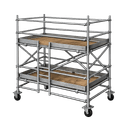
Temporary Structures
Covers scaffolding, fencing, and temporary buildings.

Soft Costs
Covers additional expenses from construction delays due to covered losses.

Equipment Coverage
Covers permanently installed fixtures and equipment.
Industries & Insurance Needs in Milwaukee
Milwaukee County's project mix is the part that changes the conversation. The county has 20,354 business establishments, and its largest establishment shares are health care and social assistance at 16.9%, retail trade at 12.3%, and accommodation and food services at 10.9%, so a lot of local construction demand shows up as occupied-space renovations, tenant improvements, and phased work rather than only stand-alone new builds. That matters for builders risk because the exposure is often tied to interior finishes, building systems, temporary storage, and handoff timing inside active properties. If your job touches a clinic, store, restaurant, or mixed-use space, ask for the form to be reviewed around renovation terms, existing structure treatment where needed, theft controls for materials, and how delay-related costs are handled if opening dates move.
What Makes Milwaukee Different
Renovation density is what changes the calculus here. In Milwaukee, a coverage decision is often less about a clean greenfield schedule and more about work inside existing buildings, partial turnovers, and projects where the owner is improving a property that already has real economic constraints. The city's median household income is $51,888, so a homeowner juggling a $40,000 renovation may buy fixtures in phases or skip a contingency line to keep the loan manageable, which means a mid-project change in scope could quietly outpace the reported limit. Each of those choices can create insurance gaps if the reported project value or timeline is understated. That does not mean every project is underinsured, but it does mean you should treat the application as a living document that gets updated as the job evolves. Before binding, confirm the completed value, separate existing structure from new work where the form requires it, and talk through stored materials, change orders, and any expected pause between milestones.
Our Recommendation for Milwaukee
Start with the contract set, not the certificate request. On a local build-out or rehab, verify who is responsible for insuring the work, whether the owner needs to be named, and whether any lender or landlord wording has to be satisfied before the first draw or delivery. Then build the values carefully. For a residential renovation, weigh the planned spend against the property's current value and decide whether the limit should follow completed value, hard costs only, or a narrower scope based on the form. For commercial interior work, pin down where materials will be stored, who controls site security, and whether a target opening date makes soft cost or delay-related options worth discussing. If you are comparing quotes, ask each carrier contact to explain the same three points in plain language: covered property, excluded causes of loss, and how change orders are reported during the job.
Get Builders Risk Insurance in Milwaukee
Enter your ZIP code to compare builders risk insurance rates from carriers in Milwaukee, WI.
Business insurance starting at $25/mo
FAQ
Frequently Asked Questions
Local tenant build-outs should start with the lease and construction contract. Confirm who insures improvements in progress, whether the landlord needs to be included, and whether materials stored off site or in common areas need to be scheduled before work begins.
Local residential renovations should compare project values against the home's current economics. The city's median home value is $172,000, so a $50,000 rehab can move the property's worth by nearly 30 percent, meaning even modest overruns can leave you short on replacement funds if the limit was set too low.
The county has 20,354 business establishments, with large shares in health care, retail, and accommodation and food services. That concentration means more renovations happen in occupied spaces with phased turnovers, so renovation wording and opening-date exposures deserve closer review.
Local owners often run phased projects to control cash flow. With median household income at $51,888, a homeowner may front-load material purchases or extend the timeline by two months, which means the gap between what you reported and what you actually spent can widen before you realize it.
Buyers can start with the Wisconsin Office of the Commissioner of Insurance, which regulates insurance in the state. This helps ensure the insurer is legally authorized to operate and backed by a state guaranty fund if they fail. Verify the entity name before you bind coverage, send payment, or rely on certificates for a construction closing or lender file.
Winter work can change the underwriting conversation because temporary heat, freeze protection, enclosure timing, and interior material storage become more important. Send those details with the initial submission so the quote reflects how the job will actually be managed.
Owners should check where the policy draws the line between the original structure and newly installed work, especially if the building stays occupied. Also confirm who is responsible under the contract and whether any lender or lease requirements need named parties.
Owner builders can often review builders risk options, but the quote depends on the project details, construction experience, contract structure, and who is performing the work. Prepare a clear scope, timeline, value, and site security plan before requesting terms.
Sources
- 1.U.S. Census Bureau, ACS 5-Year Estimates, table B25077(Milwaukee's median home value is $172,000, so many residential projects involve improvement values that can become a large share of the finished property's worth.)
- 2.U.S. Census Bureau, County Business Patterns, Milwaukee County(Milwaukee County has 20,354 business establishments, and its largest establishment shares are health care and social assistance at 16.9%, retail trade at 12.3%, and accommodation and food services at 10.9%.)
- 3.U.S. Census Bureau, ACS 5-Year Estimates, table B19013(The city's median household income is $51,888, so budget pressure can push owners to phase work, buy materials early, or trim contingencies.)
Updated July 16, 2026





