







































Updated July 16, 2026

Commercial Truck Insurance in Casper
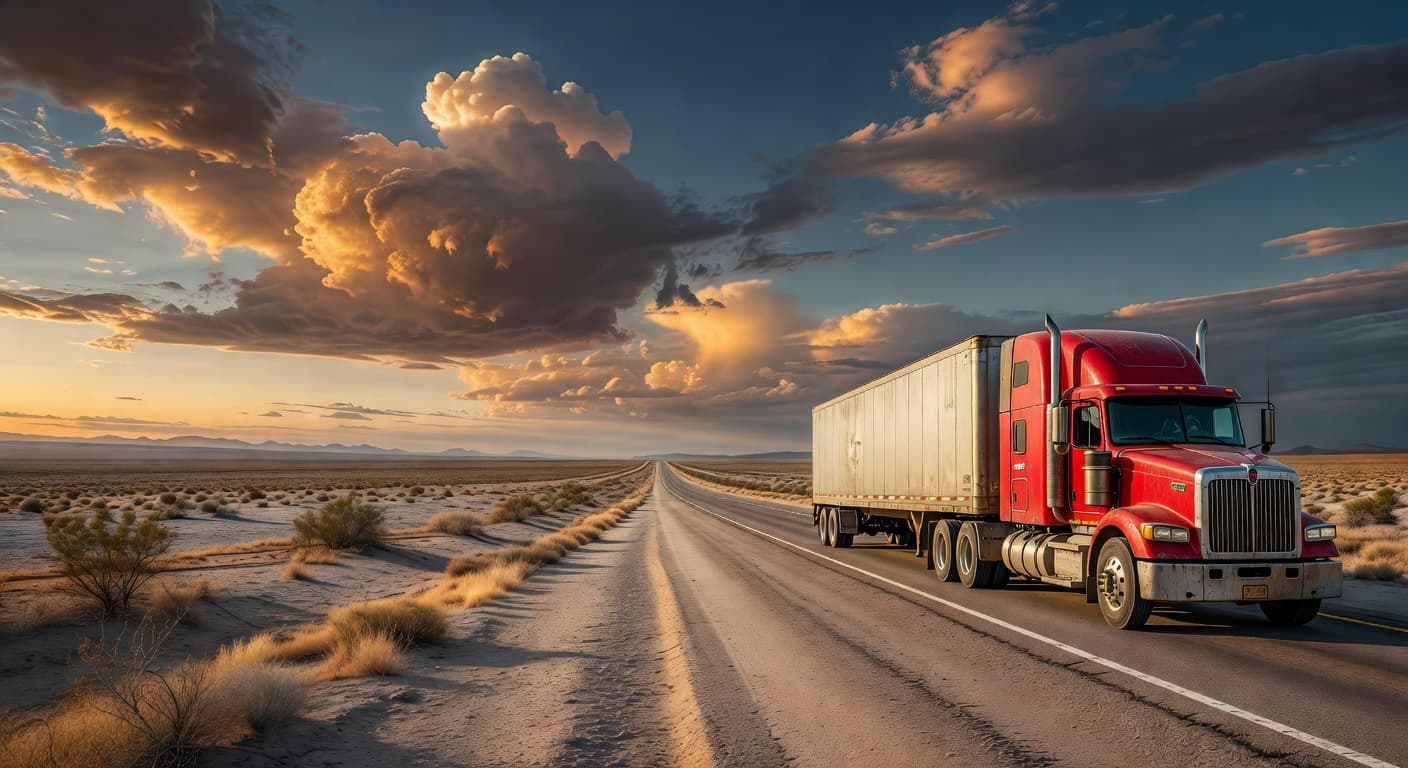
A wind-driven crash on an exposed stretch outside town can turn a routine run into a cargo claim, a tractor repair, and days of missed revenue. That is why commercial truck insurance in Casper should be reviewed around how your units actually stage, load, and move through Natrona County, not just around statewide minimums. Local trucking here often ties into construction deliveries, retail replenishment, and service calls that start early, stack multiple stops, and put drivers on open roads where weather changes fast. If your operation parks equipment outdoors, swaps trailers between jobs, or runs mixed local and regional routes, your policy needs to reflect those working conditions. Physical damage deductibles, hired and non-owned auto, cargo terms, and downtime planning each carry real cost implications worth examining.
Casper also sits inside a county with a broad small-business base, so certificates of insurance and contract requirements can come up quickly when you add a shipper, warehouse, or jobsite customer. Before you renew, it helps to take stock of your units, where they park, how far they run, who drives them, and whether you swap trailers between jobs. The more clearly those details are laid out, the better a quote can reflect the work you actually take.
Commercial Truck Insurance Risk Factors in Casper
**Open-road weather exposure** is the local issue that changes the conversation here. The state page already covers Wyoming's broader storm and wind pattern, but for a Casper-based truck the practical question is how often your drivers leave sheltered streets for open county roads, jobsite approaches, and regional runs where a gust or sudden surface change can turn into a jackknife, rollover, or load shift. That matters most if you haul building materials, retail inventory, tools, or mixed cargo with frequent loading and unloading. Review whether your **physical damage deductible** still makes sense for the value of each unit, and whether cargo wording fits the commodities you actually move. If trailers sit outside between jobs, ask how storage, vandalism, and weather-related losses are handled under your policy terms. A local quote works better when it reflects parking conditions, route radius, trailer use, and whether one disabled truck would interrupt several customer commitments at once.
Wyoming has a moderate climate risk rating. Top hazards: Severe Storm (High), Wildfire (High), Winter Storm (High), Tornado (Moderate). The state's expected annual loss from natural hazards is $160M, which influences commercial truck insurance premiums and may affect coverage availability in high-risk areas.
What Commercial Truck Insurance Covers
Your policy is usually built around the way your trucks actually operate, not a one-size-fits-all package. Motor carrier liability is the core for many for-hire trucking operations, while physical damage can help cover owned tractors and trailers for covered loss or damage. Cargo coverage is often added when you haul freight that customers or brokers expect you to protect in transit. Trailer interchange matters if you use non-owned trailers under a contract, and bobtail coverage or non-trucking liability may be relevant when a tractor is being operated outside dispatch.
Wyoming's commercial auto minimums are $25,000/$50,000/$20,000. That minimum is not the same thing as a full trucking risk program, so many operators review higher limits based on contracts, freight exposure, and route patterns. The state's climate profile also matters: severe storm, wildfire, and winter storm hazards are all rated high, which can affect whether you want stronger physical damage terms, towing-related options, or higher deductibles. Coverage terms still vary by carrier, endorsements, and the type of freight you haul, so your policy should be checked line by line before binding.
Coverage Included

Motor Carrier Liability
Can help cover injuries and property damage your truck causes to others, a coverage federal regulators require most for-hire carriers to maintain.
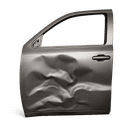
Physical Damage
Can help pay to repair or replace your own truck after an accident, fire, theft, or vandalism.
Cargo Coverage
May pay for damage to or theft of the freight you are hauling while it is in your care.
Trailer Interchange
Can help cover damage to trailers you haul under an interchange agreement but do not own.
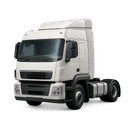
Bobtail Coverage
May provide liability protection when you drive your tractor without a trailer attached, such as after dropping off a load.

Non-Trucking Liability
Can help cover accidents that happen when you use your truck for personal errands rather than dispatched work.
Commercial Truck Insurance Cost in Casper
Average Cost in Wyoming
$380 - $1,025
per month
Businesses in Wyoming typically see commercial truck insurance premiums of $380 - $1,025 per month, which tends to run 8% below the national range of $400 - $1,125 per month.
- Radius of operation
- Commodities hauled and cargo value
- Number and value of power units
- Driver motor vehicle records and CDL experience
- DOT safety record, inspections, and FMCSA scores
- Liability limits and physical damage deductibles
Contact CPK Insurance for a personalized quote.
Prices shown are general estimates, not guaranteed rates or quotes. Your actual premium will depend on the insurer, coverage selected, business details, location, claims history, and other underwriting factors. Learn about our pricing methodology.
Cost depends on the operation being quoted, and pricing can vary based on your limits, deductibles, claims history, location, endorsements, and the risk profile of the freight you haul. Severe winter weather, wildfire exposure, and long rural haul patterns can increase the insurer's view of physical damage and cargo risk. The state's fatal crash rate runs roughly 1.5 times the national average, which can translate to higher liability premiums or stricter eligibility checks for long-haul and regional trucking. On the other hand, Wyoming has a competitive insurance market, which gives you room to compare offers and coverage structures.
A tractor running interstate freight, a local box truck, and a dump truck tied to construction or mining work may all price differently. When you are ready to compare options, have your routes, cargo type, and garaging location prepared for the discussion.
Industries & Insurance Needs in Casper
County business mix is the clearest local demand signal. Natrona County has 2,999 business establishments, and the largest establishment shares are retail trade at 11.6%, construction at 11.1%, and health care and social assistance at 11%, so local trucking often supports time-sensitive deliveries, jobsite material movement, and service-related transport rather than one uniform freight pattern. That should shape how you present your operation to an underwriter. A contractor with flatbeds, a supplier making store deliveries, and a business moving equipment between customer locations can all need different liability limits, cargo treatment, and scheduling assumptions even if the trucks look similar on paper. If your book of business touches several of those sectors, ask for the quote to reflect your actual commodity mix, stop frequency, and loading practices. That is usually more useful than shopping on vehicle type alone.
What Makes Casper Different
In Casper, many trucking risks are not built around one long-haul profile. They are built around a workday that can start with a supply run, shift to a construction delivery, and end with equipment or inventory moved across the county. That mix creates more backing, loading, unloading, and customer-site exposure than a simple mileage estimate suggests.
It also means your insurance review should focus on operational details that get missed on a fast application. Loading arrangements, jobsite access, overnight storage of tools or materials, and trailer ownership all affect how a claim plays out. Casper's median household income is $69,171, which is below the national median, so an injury or property loss can strain a local family's finances enough that they pursue a claim rather than absorb the cost. Bring those day-to-day realities into the quote request instead of treating the policy like a generic trucking form.
Our Recommendation for Casper
Start with the schedule you actually run in and around Casper. If one truck handles several job types in the same week, separate those uses clearly on the application instead of letting the underwriter assume a single cargo class or route pattern. It can help to review liability limits against the contracts you sign, and physical damage values may be worth checking against current unit and trailer values so an older stated amount does not leave a gap after a serious loss.
If you use employee pickups for errands, borrowed trailers, or rented substitutes while a truck is down, it may be worth asking whether hired and non-owned auto or trailer interchange should be considered. Keep driver lists current, especially if seasonal or part-time operators step in. When you are ready to request a quote, having your VINs, garaging details, radius, loss runs, and a short description of your top commodities and customer types pulled together can help the process move efficiently.
Get Commercial Truck Insurance in Casper
Enter your ZIP code to compare commercial truck insurance rates from carriers in Casper, WY.
Business insurance starting at $25/mo
FAQ
Frequently Asked Questions
Casper routes should be described by actual use, not just a rough radius. If you mix local deliveries, county jobsite runs, and occasional regional trips, say so up front so liability, cargo, and physical damage terms are reviewed around the way your trucks really operate.
Natrona County has 2,999 business establishments, so your truck may serve a contractor, a retailer, and a medical office in the same week. Each of those customers tends to hand you different certificate requirements, delivery windows, and loading conditions that your policy has to absorb.
Casper owner-operators often need the quote built around mixed hauling. If you switch between contractor loads and store deliveries, it can help to review commodity descriptions, cargo terms, and customer contract requirements before binding so the policy may better match the work you accept.
Natrona County's leading sectors are retail trade at 11.6%, construction at 11.1%, and health care and social assistance at 11%. When roughly a third of the economy runs through those three sectors, expect frequent stops, tighter delivery windows, and regular customer-site activity to shape your exposure more than highway mileage does.
Casper's median household income is $69,171, which is below the national median, so an at-fault incident can strain a local family's finances enough that they pursue a claim rather than absorb the loss. It can help to review liability limits and claim reporting procedures before renewal, especially if you deliver to homes or small businesses.
Your policy can be built around motor carrier liability, physical damage, cargo coverage, trailer interchange, and bobtail coverage, depending on whether you run long haul, regional, or local routes.
The state's commercial auto minimums are **$25,000/$50,000/$20,000**, and the Wyoming Department of Insurance regulates the market, but actual trucking needs can be higher based on contracts and freight type.
Cost per truck depends on limits, deductibles, claims history, location, and endorsements, with final pricing also shaped by the type of freight you haul and how the truck is used.
Sources
- 1.U.S. Census Bureau, County Business Patterns, Natrona County(Natrona County has 2,999 business establishments.; Natrona County's leading sectors are retail trade at 11.6%, construction at 11.1%, and health care and social assistance at 11%.)
- 2.U.S. Census Bureau, ACS 5-Year Estimates, table B19013(Casper's median household income is $69,171.)
Updated July 16, 2026





