Updated July 5, 2026

Commercial Auto Insurance in Casper
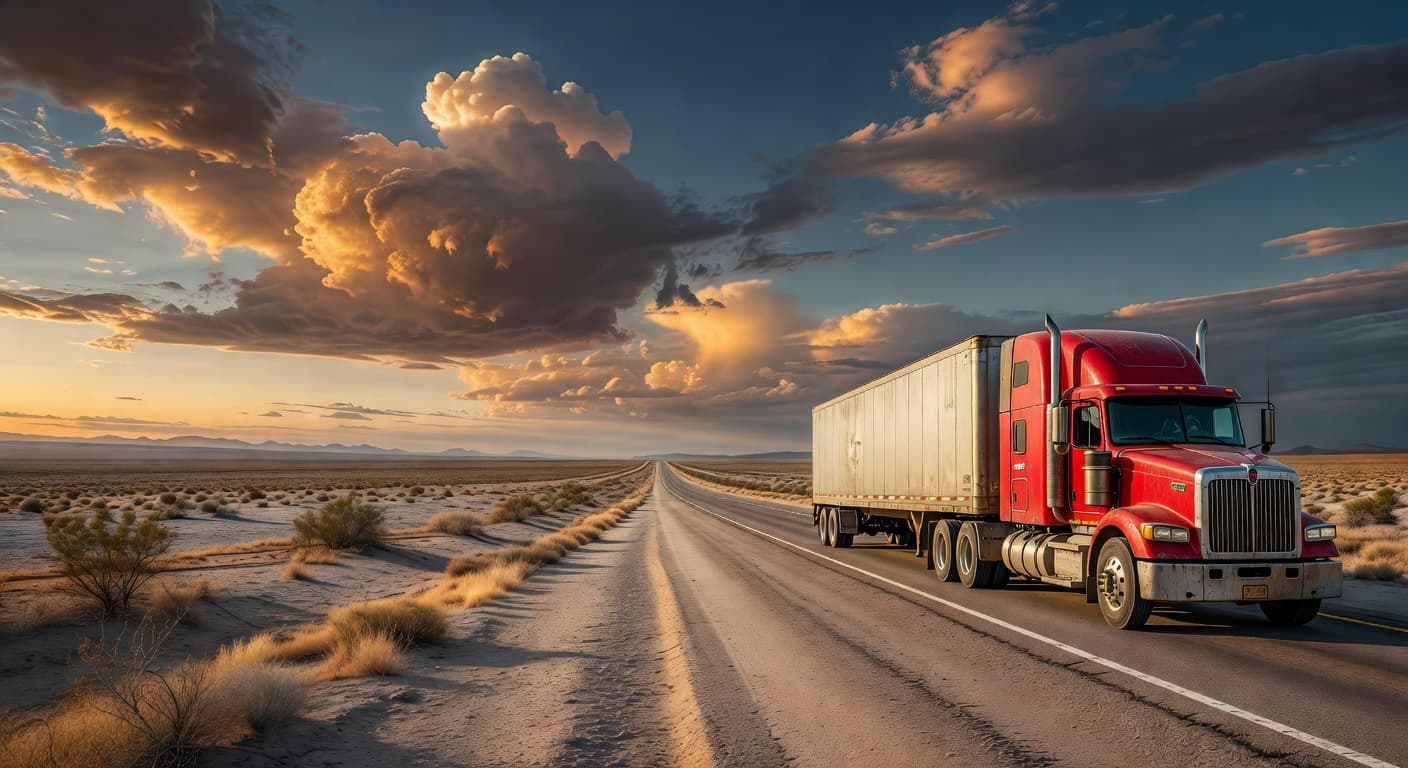
Your vehicles in Casper rarely sit still for long. One day a pickup runs parts between shops on the east side, the next a van heads to a customer across town with tools, inventory, or two employees in the cab. If you lease yard space, keep units at a small shop, or dispatch from home, commercial auto insurance in Casper should be reviewed around how those vehicles are garaged, who drives them, and what they carry between stops. That matters here because the local business base is broad, not concentrated in one trade. Natrona County has 2,999 business establishments, so you are often sharing roads, parking lots, and job sites with other contractors, retailers, and service fleets. More traffic around customer pickups, supplier runs, and short in-town routes can change how you think about hired and non-owned auto, physical damage deductibles, and driver scheduling. A useful quote request starts with your actual vehicle list, normal radius, employee driver count, and whether any unit also pulls trailers or hauls equipment during the week.
Commercial Auto Insurance Risk Factors in Casper
Casper's top risk factors include Severe weather, Property crime, Flooding, and Vehicle accidents. Flooding can cause significant vehicle damage, make sure comprehensive coverage is included.
Wyoming has a moderate climate risk rating. Top hazards: Severe Storm (High), Wildfire (High), Winter Storm (High), Tornado (Moderate). The state's expected annual loss from natural hazards is $160M, which influences commercial auto insurance premiums and may affect coverage availability in high-risk areas.
What Commercial Auto Insurance Covers
Commercial auto insurance is designed to respond when a business vehicle is involved in an accident, whether that vehicle is a sedan for client visits, a van for deliveries, or a truck used on job sites. The core protections include liability, collision, comprehensive, medical payments, and uninsured motorist coverage. Wyoming's minimum liability requirement applies to commercial vehicles, and all commercial vehicles must be registered with the Wyoming DMV. Liability can help cover bodily injury and property damage claims if your business vehicle is at fault in a crash. Collision addresses damage to your covered vehicle after a collision, while comprehensive handles theft and weather damage, which is especially relevant given the state's severe storms, winter weather, wildfire exposure, and history of major disaster declarations. The policy may also help cover hired and non-owned auto exposure when endorsed, which matters if employees rent vehicles or use personal cars for company errands, client meetings, or deliveries.
Coverage Included
Bodily Injury Liability
Covers injuries you cause to others in an accident

Property Damage Liability
Covers damage you cause to others' property

Collision Coverage
Pays for damage to your vehicle in an accident

Comprehensive Coverage
Covers theft, vandalism, weather, and animal damage

Medical Payments
Covers medical costs for your drivers and passengers

Uninsured Motorist
Protection when the other driver lacks insurance
Hired & Non-Owned Auto
Covers rented or employee-owned vehicles used for work
Commercial Auto Insurance Cost in Casper
Average Cost in Wyoming
$120 - $330
per month
Businesses in Wyoming typically see commercial auto insurance premiums of $120 - $330 per month, which tends to run 18% below the national range of $140 - $410 per month.
- Fleet size and vehicle types
- Driver records and experience
- Coverage limits and deductibles
- Business industry and use
- Annual mileage and operating radius
- Claims history
Rates based on small business averages. Your actual premium may vary.
Prices shown are general estimates, not guaranteed rates or quotes. Your actual premium will depend on the insurer, coverage selected, business details, location, claims history, and other underwriting factors. Learn about our pricing methodology.
Wyoming's average premium range is $120 to $330 per month, or about $1,440 to $3,960 per vehicle annually for small businesses. That sits below the national average, but actual pricing still varies by vehicle type, driver records, mileage, operating radius, deductibles, and claims history. The quote you receive will still reflect your fleet size and whether your vehicles are used in higher-exposure work such as mining, oil/gas extraction, deliveries, or long-distance service routes. The state's fatal crash rate is 1.95 deaths per 100 million vehicle miles traveled compared with a national average of 1.33, meaning Wyoming sees roughly 46 percent more fatal crashes per mile driven than the country as a whole. Carrying higher liability limits is worth considering to protect against severe losses on rural highways. The average bodily injury and property damage claim cost is $18,404, so choosing higher physical damage deductibles can meaningfully reduce your monthly premium if you have the cash reserves to cover a larger share of repairs. Severe winter storms and wildfire exposure can also make comprehensive coverage more important, especially for businesses that park outdoors or travel across rural routes. Delivery and construction-style fleets may see higher pricing pressure than office-based users, while clean driver histories, higher deductibles, and bundled policies can help shape a more manageable quote.
Industries & Insurance Needs in Casper
Natrona County's business mix changes the coverage conversation because so many local vehicles do more than commute. County Business Patterns shows retail trade at 11.6% of establishments, construction at 11.1%, and health care and social assistance at 11%. So a lot of business driving here involves deliveries, supply runs, mobile crews, home or facility visits, and vehicles that stay in service all day instead of sitting at one location. That should push you to match each unit to its real use class rather than insuring every vehicle the same way. A contractor's pickup, a retailer's delivery van, and a care provider's passenger vehicle can create very different liability, medical payments, and physical damage questions. Before you ask for terms, separate vehicles by use, list any regular employee drivers, and note whether tools, products, or clients are ever in the vehicle.
What Makes Casper Different
Operational variety is what changes the calculus here. In some places, a commercial auto review can be built around one dominant trade. Around Casper, the county's 2,999 establishments are spread across several active sectors, which means many owners use vehicles in mixed ways during the same week: job-site travel, supplier pickups, customer appointments, and occasional errands by staff. That mix raises a practical underwriting issue. If a vehicle's real use drifts beyond what was disclosed, a claim review gets harder than it needs to be. The safer approach is to describe operations plainly: where vehicles are kept overnight, whether employees take them home, how often they cross county lines, and whether any personal vehicles are used for business tasks. If your operation has grown from one owner-driven truck to several units and rotating drivers, this is the point to review symbols, driver lists, and hired and non-owned auto instead of assuming last year's setup still fits.
Our Recommendation for Casper
Start your review with the vehicles that create the most downtime if they are out of service. For many local businesses, that is not every unit, it is the service truck with equipment, the van tied to customer appointments, or the pickup assigned to a foreman. Then check whether your policy matches how drivers actually rotate. If spouses, office staff, or newer hires ever move a vehicle, list that clearly rather than leaving the schedule too narrow. If you reimburse employees for errands or client visits in their own cars, ask for a hired and non-owned auto review instead of assuming the business has no exposure because it does not own that vehicle. Casper buyers should also compare deductibles against cash flow, not just premium, especially if one damaged unit would interrupt jobs or deliveries for several days. Bring a current vehicle schedule, driver list, garaging addresses, and a short description of what each unit does during a normal week before you request a free quote.
Get Commercial Auto Insurance in Casper
Enter your ZIP code to compare commercial auto insurance rates from carriers in Casper, WY.
Business insurance starting at $25/mo
FAQ
Frequently Asked Questions
Casper businesses often do, because a single truck can still be titled to the business, driven by employees, or used to haul tools and materials between jobs. The key question is how the vehicle is used during the workweek, not just how many units you own.
Casper contractors and service firms should describe who drives each unit, where it is parked overnight, whether tools or equipment stay in the vehicle, and if trailers are pulled. Those details help match the policy to actual operations instead of a generic classification.
Natrona County has 2,999 business establishments, so many owners share roads, lots, and job sites with other commercial vehicles. That can make accurate use descriptions, driver lists, and liability limit choices more important when you compare quotes.
Casper vehicles are not usually rated the same way. In Natrona County, retail trade is 11.6% of establishments, construction 11.1%, and health care and social assistance 11%, so delivery vans, work pickups, and client-transport vehicles can present different exposures.
Casper owners should gather a vehicle schedule, VINs, driver information, garaging addresses, and a short note on each unit's use. If employees ever use personal cars for errands or visits, include that too so hired and non-owned auto can be reviewed.
Depending on your policy, it may help cover liability for bodily injury and property damage, collision damage to your vehicle, comprehensive losses like theft and weather damage, medical payments, and uninsured or underinsured motorist protection. In Wyoming, that matters because severe weather and wildfire exposure can affect parked or traveling business vehicles.
Commercial vehicles must carry minimum liability coverage and be registered with the Wyoming DMV. Uninsured/underinsured motorist coverage may also be required, so it is worth confirming the setup before you buy.
The average premium range is $120 to $330 per month, and small-business annual averages are listed at $1,440 to $3,960 per vehicle. Actual pricing varies by vehicle type, driver records, limits, deductibles, mileage, operating radius, claims history, and whether you need fleet or single-vehicle coverage.
Sources
- 1.U.S. Census Bureau, County Business Patterns, Natrona County(Natrona County has 2,999 business establishments, so you are often sharing roads, parking lots, and job sites with other contractors, retailers, and service fleets.; County Business Patterns shows retail trade at 11.6% of establishments, construction at 11.1%, and health care and social assistance at 11%.)
Updated July 5, 2026