







































Updated July 16, 2026

Inland Marine Insurance in Casper
In a smaller market like Casper, the main difference is usually not a different policy form. It is carrier appetite, how quickly underwriters can understand your operation, and how often customers, landlords, or general contractors want proof of coverage before they hand over a site, a key, or a purchase order. For inland marine insurance, that means your submission should be specific about what property moves, where it goes during a normal week, and whether it is left in vehicles, trailers, or temporary job sites between stops. Natrona County has roughly 3,000 business establishments, so a single disputed certificate can stall your next project while a competitor takes the call. If you carry tools, diagnostic equipment, installation materials, or customer property off premises, make sure your submission reflects those movements instead of relying on a property policy built around one address.
Inland Marine Insurance Risk Factors in Casper
Casper's top risk factors include Severe weather, Property crime, Flooding, and Vehicle accidents.
Wyoming has a moderate climate risk rating. Top hazards: Severe Storm (High), Wildfire (High), Winter Storm (High), Tornado (Moderate). The state's expected annual loss from natural hazards is $160M, which influences inland marine insurance premiums and may affect coverage availability in high-risk areas.
What Inland Marine Insurance Covers
In Wyoming, this coverage is built for property that does not stay put. Your policy may help cover tools, equipment, materials, and goods that move between job sites, customer locations, and temporary storage, depending on the policy form. The core options include tools and equipment, goods in transit, contractors equipment, installation floater, and builders risk coverage. Those matter because a fixed-location property policy does not automatically follow property once it leaves the premises. For Wyoming businesses, that is especially relevant when equipment is hauled across long distances, staged in temporary yards, or left at a project site in changing weather.
Wyoming does not impose a special inland marine mandate, but your needs depend on your operation. Policy structure, limits, and endorsements should be reviewed carefully rather than assumed from a national template. A contractor working near Cheyenne, a crew storing equipment in Casper, or a business moving goods through temporary storage in Laramie should confirm whether the policy may cover theft, damage, vandalism, and other covered perils while property is away from the main location.
Because Wyoming has high-rated severe storm, wildfire, and winter storm exposure, the policy wording around offsite storage, transit, and job-site exposure deserves extra attention. If you need installation floater or builders risk coverage, ask how the policy treats materials waiting to be installed, items in transit, and property at a temporary location.
Coverage Included
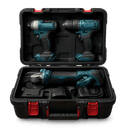
Tools & Equipment
Can help repair or replace hand tools, power tools, and gear that are stolen or damaged on the job or in transit.
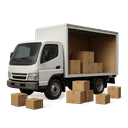
Goods in Transit
May cover products, materials, and merchandise while they are being shipped or hauled between locations in your care.
Contractors Equipment
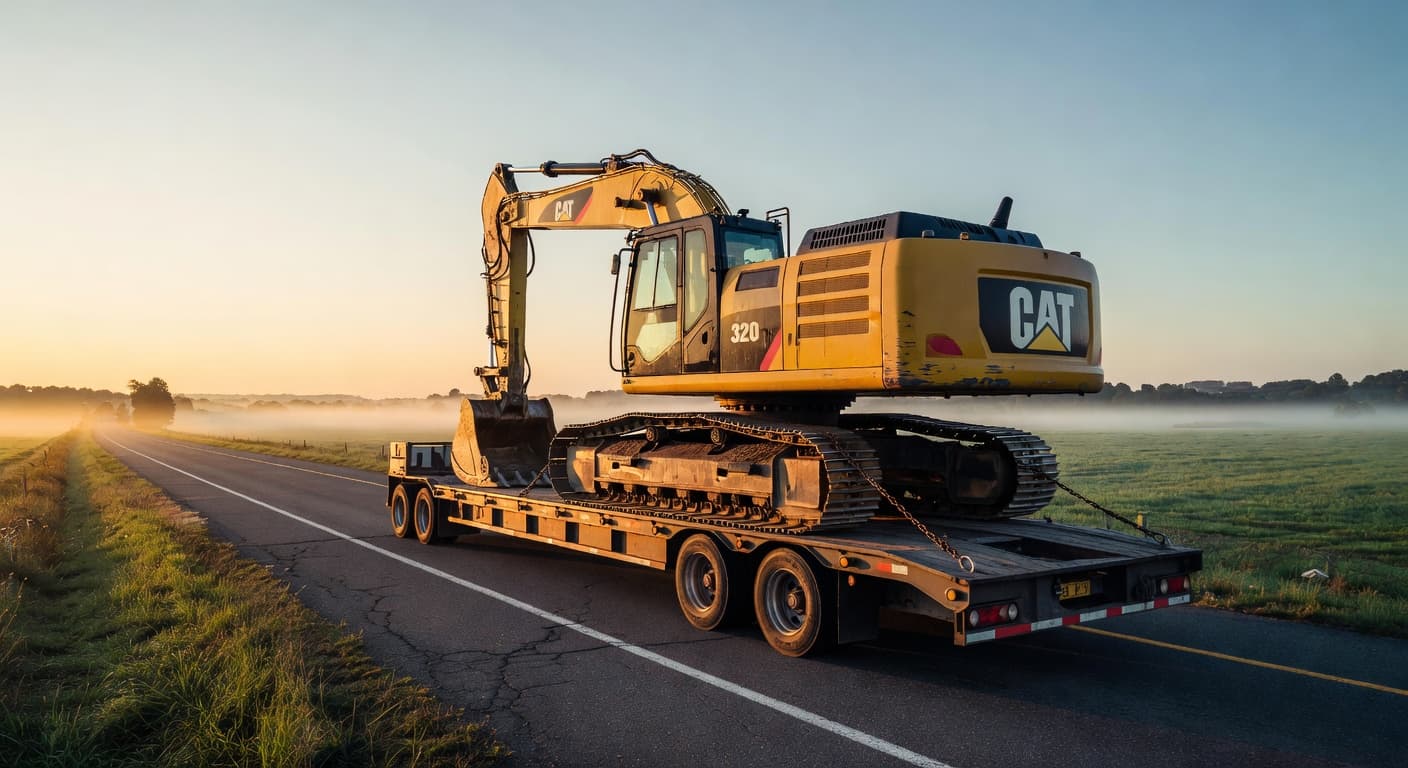
Typically covers heavy machinery like excavators, loaders, and generators against theft or damage at job sites and between them.
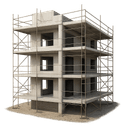
Installation Floater
Can help cover materials and fixtures from the moment you buy them until they are installed and accepted at a project.
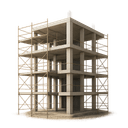
Builders Risk
May cover a structure under construction, along with materials on site, against damage from fire, wind, theft, and vandalism.
Inland Marine Insurance Cost in Casper
Average Cost in Wyoming
$25 - $90
per month
Businesses in Wyoming typically see inland marine insurance premiums of $25 - $90 per month, which tends to run 4% below the national range of $20 - $100 per month.
- Total insured value of the scheduled property
- Type and age of the equipment
- Where it is stored and how far it travels
- Jobsite security and theft prevention
- Per-item limits and deductibles
- Prior theft and in-transit losses
Contact CPK Insurance for a personalized quote.
Prices shown are general estimates, not guaranteed rates or quotes. Your actual premium will depend on the insurer, coverage selected, business details, location, claims history, and other underwriting factors. Learn about our pricing methodology.
For Wyoming businesses, the average premium range is $25 to $90 per month, while broader small-business figures show a monthly average range of $20 to $100. Actual pricing varies by carrier, class of business, and how much mobile property you insure. The state-specific premium index is 92, which suggests premiums here run below the national average. In practical terms, that can mean your base rate may start lower than in higher-index states, though your final quote still depends on your property schedule and risk profile. Limits, deductibles, claims history, location, industry, risk profile, and policy endorsements all affect the final number.
Wyoming's risk environment can push pricing in different directions. Severe storm, wildfire, and winter storm exposure can matter when equipment is stored outdoors, moved frequently, or left at a remote site. A business in a county with heavier weather exposure may see different pricing than one with more controlled storage and shorter transit windows.
Wyoming has 180 active insurance companies competing for business, and 21,800 businesses operate here with 99% classified as small. That level of competition can help when comparing costs, especially if you request multiple quotes and present clear schedules of tools, equipment, and materials. Farm Bureau is among the top carriers in the state, which can be a useful starting point, though the best fit varies by your operations and endorsements.
To manage cost, align limits with actual replacement values, keep deductibles realistic for your cash flow, and avoid paying for coverage you do not need. Because the policy can be tailored to your specific mobile property, the price depends heavily on how broad the schedule is and how much offsite exposure you are insuring.
Industries & Insurance Needs in Casper
Natrona County's business mix is the part that matters most here. Retail trade accounts for 11.6% of establishments, construction 11.1%, and health care and social assistance 11%, so a lot of local operations depend on property that leaves the main premises and still needs to be insured while it is being delivered, installed, used, or carried between locations. That changes the inland marine conversation because the exposure is not limited to one trade. A contractor may move tools and materials daily, a retailer may move inventory or display property, and a health-related operation may transport specialized equipment between offices or service locations. If your business fits any of those patterns, ask the quote to separate high-value items, unnamed tools, and any customer property in your care. That helps you review limits by class of property instead of buying one blanket number that may not match how losses actually happen.
What Makes Casper Different
That tight local network is what changes the calculus here. Documentation problems tend to surface early because the same owners, property managers, contractors, and vendors work together repeatedly, so proof expectations can feel more immediate than they would in a larger city where counterparties are less connected. For inland marine coverage, that matters when your work depends on showing that mobile tools, equipment, or materials are scheduled correctly before you enter a site or take responsibility for property away from your main location. The practical move is to build your quote around operations, not just asset totals. Track what travels each week, what sits in a trailer overnight, and what belongs to customers or vendors. That gives you a better chance to review exclusions, sublimits, and valuation terms before a certificate request exposes a gap.
Our Recommendation for Casper
Start with an inventory that reflects how your property actually moves locally. Note which equipment is permanently installed versus mobile, and flag anything that regularly sits in a truck or gets checked out by an employee. If you serve households or small businesses, keep in mind that Casper's median household income is $69,171, meaning many of your customers are working with limited financial flexibility if a job runs long or equipment needs replacement. That tight margin makes downtime-sensitive items and property of others in your care worth scheduling carefully. Ask whether the quote handles scheduled equipment, unscheduled tools, installation exposures, and property in transit differently, because one form may fit your operation better than another. If a landlord, lender, or project owner asks for evidence of coverage, review the wording before you send it so the certificate matches the property and activities you actually need insured.
Get Inland Marine Insurance in Casper
Enter your ZIP code to compare inland marine insurance rates from carriers in Casper, WY.
Business insurance starting at $25/mo
FAQ
Frequently Asked Questions
You may still need it if property regularly leaves your main address. Local trips between customers, temporary work sites, storage yards, or vehicles can create the same mobile property exposure as longer runs. If you are hauling displays to a community event or leaving diagnostic tools in a truck overnight, that movement is what matters, not the mileage.
List higher-value tools, equipment, and materials that move between jobs. Construction makes up 11.1% of county establishments, meaning roughly one in nine local businesses faces the same scheduling pressure when gear has to be on site by a specific date. Separate your scheduled items from smaller unscheduled tools before quoting so the high-value gear gets the attention it deserves.
Inventory, displays, and equipment away from the main location are common reasons to consider it. Retail trade accounts for 11.6% of the county, so a single lost shipment or damaged display unit can cost a small shop a season of revenue. Talk through your transit and pop-up exposures with your provider before something goes missing.
Review it if equipment travels between offices, events, or service locations. Health care and social assistance represent 11% of county establishments, and a damaged portable unit can mean canceled appointments and lost revenue while you wait for a replacement. Mobile equipment is not just a contractor issue, so ask whether your policy covers property in transit the same way it covers property at your main address.
This coverage is sold under Wyoming insurance rules, with oversight from the Wyoming Department of Insurance. If a policy term or claims process is unclear, review the form carefully before binding coverage. **Get a quote that fits how your property actually moves.**
It may help cover business property that moves between locations, including tools, equipment, materials, and goods being transported, depending on the policy form and whether the loss fits a covered peril. In Wyoming, that matters when property is traveling to Cheyenne, Casper, Laramie, or a rural job site rather than sitting at your main location.
The policy is designed to follow mobile property to offsite locations, including job sites and temporary storage, instead of limiting protection to a fixed premises. You should confirm the storage language carefully because Wyoming weather exposure can make temporary locations a bigger risk than a permanent warehouse.
Contractors, businesses tied to mining and oil/gas extraction, and any company that regularly moves tools, materials, or equipment between sites are strong candidates. Wyoming's economy is small-business heavy, so many firms need a policy that matches a mobile work pattern rather than a fixed storefront.
Sources
- 1.U.S. Census Bureau, County Business Patterns, Natrona County(Natrona County has 2,999 business establishments, so local buyers often work through a tight network of vendors, project owners, and repeat counterparties who notice gaps in certificates and schedules quickly.; Retail trade accounts for 11.6% of establishments, construction 11.1%, and health care and social assistance 11%, so a lot of local operations depend on property that leaves the main premises and still needs to be insured while it is being delivered, installed, used, or carried between locations.)
- 2.U.S. Census Bureau, ACS 5-Year Estimates, table B19013(Casper's median household income is $69,171, so replacing damaged customer-facing equipment or delaying a job can affect buyers who are still watching budgets closely.)
- 3.Wyoming Department of Insurance(Casper businesses buy this coverage under Wyoming insurance rules, with oversight from the Wyoming Department of Insurance.)
Updated July 16, 2026





