








































Updated July 16, 2026

Commercial Property Insurance in Casper
For owners comparing commercial property insurance in Casper, the local decision is less about theory and more about how a specific building will hold up after a loss. The same policy can be asked to protect very different kinds of property. That matters when your location includes inventory, tenant improvements, signage, kitchen equipment, or specialized tools. Casper also sits in a market with a cost of living index of 79, meaning routine overhead stays lower but you should still size deductibles and limits carefully rather than assuming a cheaper market automatically means cheaper risk.
With 1,348 business establishments in the city, carriers see a concentrated mix of property profiles and price them against each other, so your quote may reflect how your building stacks up against neighbors with similar construction and occupancy. Property crime runs above what many owners want to see, which means inventory, signage, and exterior equipment deserve specific attention on your policy. What matters is whether the limits and endorsements fit what you actually own. If your business depends on a physical location, your policy should reflect the building, the contents, and how quickly you would need to reopen after a covered loss.
Commercial Property Insurance Risk Factors in Casper
Casper’s risk profile is shaped by **severe weather, property crime, and flooding**, all of which can affect commercial property insurance coverage in Casper. The city’s flood zone percentage is 6, so a limited but real share of properties may need to think carefully about water-related exposure even if they are not in an obvious high-risk spot. Severe weather can drive claims for building damage and storm damage, especially for roofs, exterior walls, signage, and other exposed parts of a property. Property crime is also a practical underwriting factor because businesses with visible inventory, equipment, or storefront access may face higher theft and vandalism concerns. For owners with specialized equipment, any storm-related power event or physical damage can also make equipment breakdown coverage worth reviewing. In a city where many businesses rely on customer traffic or daily operations, a covered loss can quickly become a business interruption issue if the space cannot be used right away.
Wyoming has a moderate climate risk rating. Top hazards: Severe Storm (High), Wildfire (High), Winter Storm (High), Tornado (Moderate). The state's expected annual loss from natural hazards is $160M, which influences commercial property insurance premiums and may affect coverage availability in high-risk areas.
What Commercial Property Insurance Covers
In Wyoming, commercial property insurance is built to protect the physical parts of your operation that are most likely to be hit by fire, theft, vandalism, storm damage, equipment breakdown, or a covered natural disaster. The core coverage usually includes building coverage if you own the structure, plus business personal property coverage for furniture, fixtures, inventory, computers, and signage. If you lease space in Cheyenne, Casper, Laramie, Gillette, or Rock Springs, you may still need a policy to protect your tenant improvements and contents even though the landlord insures the shell. Wyoming does not require a standard commercial property policy by statute, but requirements can vary by lender, lease, and industry. That means the coverage you need may be driven by contracts rather than a statewide mandate. Common add-ons include business income coverage, equipment breakdown coverage, and ordinance or law coverage. Standard policies typically exclude flood damage, so a business near flood-prone or runoff-prone areas may need separate protection. Coverage terms can also vary by carrier, so compare the exact provisions before you bind.
Coverage Included
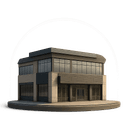
Building Coverage
Can help pay to repair or rebuild your building after covered damage like fire, wind, or vandalism.

Business Personal Property
Can help replace furniture, inventory, equipment, and supplies inside your building when a covered event damages or destroys them.
Business Income
May replace lost revenue and help cover ongoing expenses like payroll and rent while covered damage keeps your business closed.

Equipment Breakdown
Typically covers sudden mechanical or electrical failure of equipment like HVAC systems, boilers, or refrigeration units, which standard property policies often exclude.
Ordinance or Law
Can help cover the added cost of rebuilding to current building codes after a covered loss to an older structure.
Commercial Property Insurance Cost in Casper
Average Cost in Wyoming
$60 - $220
per month
Businesses in Wyoming typically see commercial property insurance premiums of $60 - $220 per month, which tends to run 21% below the national range of $65 - $290 per month.
- Building value and construction type
- Roof age and condition
- Fire protection class
- Occupancy and the operations inside the building
- Business personal property and equipment values
- Wind and hail deductible terms
Contact CPK Insurance for a personalized quote.
Prices shown are general estimates, not guaranteed rates or quotes. Your actual premium will depend on the insurer, coverage selected, business details, location, claims history, and other underwriting factors. Learn about our pricing methodology.
The cost of commercial property insurance in Wyoming is shaped by the state's below-national-average premium environment, but the final price still varies widely by building and business profile. The average premium range in the state is about $60 to $220 per month, meaning most owners can expect to pay somewhere in that band before endorsements and risk factors adjust the number. Broader small-business figures show many paying roughly $750 to $3,500 per year depending on limits and endorsements. Wyoming's premium index is 92, meaning rates here run about 8% below the national average, so your base premium may start lower than in many other states. Yet that does not override local risk. Severe storm, winter storm, wildfire, and tornado exposure can push premiums upward, especially for properties in exposed corridors or in areas with higher catastrophe history. Location matters because Wyoming has seen major disaster declarations for wildfire, flash flooding and mudslides, and severe winter storm events. All of those can influence how underwriters view your building. Carriers also look at claims history, construction type, occupancy, deductibles, policy endorsements, and whether you need extra business income or equipment breakdown coverage. A higher deductible can reduce monthly cost, while replacement cost coverage usually costs more than actual cash value. Because 180 insurers compete in the state, a quote can differ significantly from one carrier to another even for the same building.
What Makes Casper Different
One storefront may need only modest contents protection. Another location may depend on specialized equipment, tenant improvements, or business income coverage after a shutdown. A restaurant on Center Street faces different risks than a clinic near Wyoming Medical Center, so your policy should reflect that distinction.
Add in severe weather, property crime, and a 6% flood-zone footprint, and the result is a city where local building condition, occupancy, and asset mix can influence coverage needs more than a simple state average would suggest. Roughly one building in sixteen sits in a flood zone here, so it is worth confirming whether your address is one of them.
Our Recommendation for Casper
Start with your building's actual exposure, including roof condition, exterior materials, occupancy type, inventory value, and whether your business depends on equipment that cannot sit idle. Then compare coverage with a focus on the parts of the policy that matter after severe weather or theft, not just the monthly premium. If you lease, verify which improvements and contents are your responsibility. If you own, make sure building coverage reflects current reconstruction costs.
Review business income coverage if a temporary closure would strain cash flow, and ask whether equipment breakdown coverage is useful for your operation. For storefronts and restaurants, pay close attention to business personal property coverage and signage. For offices and clinics, check interior buildouts and fixtures. Because property crime and weather are part of the local picture, security upgrades, roof maintenance, and accurate asset schedules can support a cleaner quote. When you compare options, look at limits, deductibles, and endorsements side by side.
Get Commercial Property Insurance in Casper
Enter your ZIP code to compare commercial property insurance rates from carriers in Casper, WY.
Business insurance starting at $25/mo
FAQ
Frequently Asked Questions
A Casper storefront often needs protection for the building if it owns it, plus inventory, shelving, registers, signage, and interior fixtures. Property crime and severe weather make both contents and exterior property important to review.
Casper's mix of government, healthcare, retail, hospitality, and mining-related businesses creates very different property values and occupancy types. A carrier pricing a restaurant on one block and a clinic on the next has to account for those differences, which is why two buildings a mile apart can land on very different quotes.
It can be, especially if a severe-weather claim or other covered loss would stop operations for more than a short period. Businesses with tight margins or high daily traffic often review this endorsement closely.
If your business relies on specialized equipment, refrigeration, or systems that are costly to replace or repair, it is worth reviewing. The value depends on how much your operation depends on that equipment.
Confirm your building value, contents list, lease obligations, and deductible, and decide whether you need endorsements like business income coverage or ordinance or law coverage. The specifics of your building and operation tend to shape the final policy more than the city name alone.
It can help cover your building if you own it, plus business personal property coverage for equipment, furniture, fixtures, inventory, computers, and signage. In Wyoming, that protection is especially relevant for storm damage, wildfire, theft, vandalism, and fire risk.
The average premium range in Wyoming is about $60 to $220 per month, but the final price varies by location, construction type, claims history, deductible, and endorsements. Properties with higher severe storm, winter storm, or wildfire exposure can cost more.
Often yes, because a lease may require you to insure your contents, tenant improvements, and business interruption exposure even if you do not own the building. The landlord may cover the structure, but your responsibility can still be significant.
Updated July 16, 2026





