Updated July 16, 2026

Dealer Open Lot Insurance in Cheyenne
Selling vehicles in Cheyenne means fewer carriers may actively want dealer inventory with outdoor storage, mixed-use lots, or overflow parking. That changes how you shop for this coverage. Dealer open lot insurance here is less about finding a generic form and more about showing underwriters exactly where units sit, how keys are controlled, when vehicles move between the front line and overflow, and who checks the lot after weather moves through. Local deals still run on relationships and proof expectations. Floorplan lenders, landlords, and auction partners may want clean evidence of limits, locations, and loss controls before inventory expands or a temporary storage arrangement starts. If your operation uses more than one parking area, rotates trade-ins quickly, or keeps higher-value units exposed near public access, ask for coverage built around that layout instead of a one-address assumption. You want the schedule, reporting method, and valuation approach reviewed before a claim tests them.
Dealer Open Lot Insurance Risk Factors in Cheyenne
Cheyenne's top risk factors include Severe weather, Property crime, Flooding, and Vehicle accidents.
Wyoming has a moderate climate risk rating. Top hazards: Severe Storm (High), Wildfire (High), Winter Storm (High), Tornado (Moderate). The state's expected annual loss from natural hazards is $160M, which influences dealer open lot insurance premiums and may affect coverage availability in high-risk areas.
What Dealer Open Lot Insurance Covers
In Wyoming, the coverage review usually starts with where inventory is physically kept during the week, not just the main sales lot address. Some dealers use overflow areas, seasonal storage, gravel extensions, or separate reconditioning space. If a unit spends time away from the primary lot, you want that addressed clearly before binding.
Open terrain can increase how quickly wind-driven debris reaches parked vehicles, and a fast-moving hail event can affect many units at once. If your operation keeps higher-value trucks, SUVs, or specialty inventory outdoors, ask how limits apply across the full lot and whether any location-specific conditions change the way damage is adjusted.
Movement patterns raise their own questions. A dealership may shift vehicles between towns, move units to detail or body work, or keep some inventory at a secondary address while space is tight. Ask your agent to walk through ordinary handling, temporary storage, and any off-premises situations that are part of your routine.
Security procedures belong in the coverage discussion from the start. Underwriters often want to understand fencing, lighting, camera placement, key control, and who can release a vehicle after hours. If your lot is visible from a highway but lightly staffed at night, document that exposure honestly and request terms built around how your dealership actually operates.
Coverage Included

Weather Damage
Covers hail, wind, flood, and storm damage to lot inventory.
Theft Protection
Covers vehicles stolen from your lot.
Fire Damage
Covers fire and explosion damage to inventory vehicles.

Vandalism
Covers intentional damage to vehicles on your lot.
Test Drive Coverage
Covers vehicles during customer and employee test drives.
Transit Coverage
Covers vehicles being moved between lot locations.
Industries & Insurance Needs in Cheyenne
Laramie County has 3,545 business establishments, so local dealers often work in a business environment where vendors, landlords, lenders, and service partners expect organized proof of coverage and clear operating details before they extend terms or share space. The county mix also matters: professional, scientific, and technical services account for 17.7% of establishments, health care and social assistance 10.3%, and retail trade 10%. That points to a local economy with steady service and consumer traffic, which can support used-vehicle demand but also means your lot presentation, signage, and inventory turnover are visible to a broad everyday customer base. For insurance buying, the practical takeaway is to request terms that match how inventory actually turns here: front-line units, recent trade-ins awaiting recon, and any overflow storage should be described separately so your quote reflects real exposure instead of a simplified snapshot.
What Makes Cheyenne Different
In a market this size, you usually have less room for vague applications, informal overflow arrangements, or outdated lot diagrams because fewer underwriting teams may have appetite for the exact way your inventory is stored. That does not automatically make coverage harder to place, but a clean, specific file tends to get better terms faster. If vehicles move between the sales line, a side parcel, and a temporary overflow area, show each location and the maximum values kept there. If your operation mixes older cash units with newer financed inventory, separate those concentrations clearly. The goal is giving underwriters enough detail to say yes quickly rather than asking follow-up questions after binding. Photos, address-level storage details, security practices, and a realistic peak inventory value are what get you usable quotes.
Our Recommendation for Cheyenne
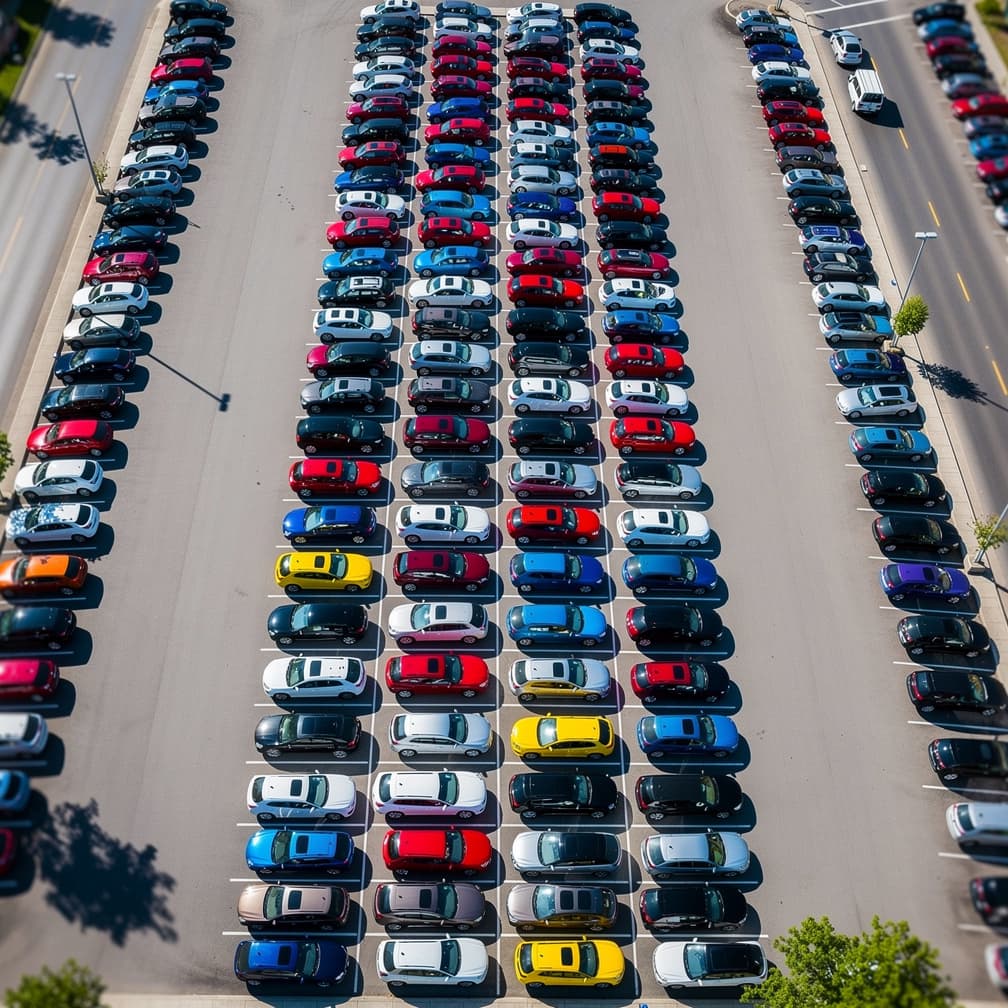
Start with your lot map, not your renewal declaration. Mark every place where sale units are parked, including overflow, service-adjacent spaces, and any off-site storage you use during busy buying periods. Then match each area to its peak number of vehicles and approximate total value, because underwriters price concentration and layout, not just your dealer type. Cheyenne households report a median income of $77,176, which translates to stronger average transaction prices and more financed inventory per lot than in many surrounding areas. If your average unit value has risen, adjust your reported limits to reflect what a single weather event or theft could actually cost you. When you request a quote, ask specifically how the policy handles newly acquired units, temporary location changes, and deductibles by cause of loss, since those answers determine whether a claim gets paid the way you expect. Find out how valuation works when multiple vehicles are damaged at once, too. If anything about your storage pattern is seasonal or informal, disclose it before binding and get the schedule corrected in writing.
Get Dealer Open Lot Insurance in Cheyenne
Enter your ZIP code to compare dealer open lot insurance rates from carriers in Cheyenne, WY.
Business insurance starting at $25/mo
FAQ
Frequently Asked Questions
Cheyenne dealers often face a narrower underwriting market, so a detailed schedule helps carriers evaluate each storage area, peak inventory values, and movement between locations. That usually leads to cleaner terms than a quote built on one address and rough vehicle counts.
Cheyenne operations should disclose every place sale units are stored, even if overflow use is occasional. If a loss happens at an unscheduled location, claim handling can get harder, so ask for each address and maximum value to be reviewed before binding.
Laramie County has 3,545 business establishments, so your lenders and landlords have likely reviewed many dealer files and may expect organized proof of coverage before extending credit or leasing space. A complete submission with locations, controls, and values can make those conversations easier before inventory expands.
Cheyenne household incomes support higher average vehicle prices than many surrounding areas, so a lot that used to carry mostly mid-range units may now have more financed inventory sitting outside. If your per-unit values have climbed, ask whether your current limits would actually replace what sits on the lot after a total loss.
Dealers should list every place inventory is stored, even if a secondary lot or overflow area is used only part of the time. That gives the underwriter a clearer picture of exposure and helps avoid disputes about where a damaged unit was kept.
Weather can make concentrated inventory losses more important to review, especially when vehicles sit outdoors across open terrain. Instead of assuming one standard setup fits, ask how your lot layout, storage pattern, and deductible choice affect the quote.
Dealerships often can seek terms that contemplate offsite storage, depending on the specific policy form and conditions. The key is disclosure before binding. If units are kept at overflow ground, a service address, or another parcel, include that in the submission and ask for it to be reviewed explicitly.
Underwriters usually want a current inventory schedule, values, all storage addresses, claims history, and details about fencing, lighting, cameras, key control, and test-drive procedures. A complete submission tends to produce a more usable quote than a bare application.
Sources
- 1.U.S. Census Bureau, County Business Patterns, Laramie County(Laramie County has 3,545 business establishments.; Laramie County's leading sectors by establishment share are professional, scientific, and technical services 17.7%, health care and social assistance 10.3%, and retail trade 10%.)
- 2.U.S. Census Bureau, ACS 5-Year Estimates, table B19013(Cheyenne median household income is $77,176.)
Updated July 16, 2026