Updated July 16, 2026

Business Owners Policy Insurance in Wyoming
A business owners policy is often the starting point for a small Wyoming company that wants property protection, liability coverage, and business income support in one package. That matters here because Wyoming has 21,800 businesses and 99% of them are small, meaning most owners are balancing limited staff against real exposure to severe storms, wildfires, and winter weather. In places like Cheyenne, Casper, and Laramie, a single event can affect a storefront, storage area, or equipment set differently depending on location, building age, and proximity to weather-prone areas. Wyoming also has 180 active insurance companies competing for business, which means more carriers vying for your premium and more room to find terms that fit your operation. If you are comparing this coverage for a retail shop, restaurant, office, or light service business, the key question is not just whether you qualify but how the bundled protection lines up with your property, inventory, and income exposure.
What Business Owners Policy Insurance Covers
A BOP in Wyoming typically combines commercial property and general liability into one small business insurance bundle, and it often adds business income coverage if a covered loss interrupts operations. For a Wyoming business, that means the package may help protect a building you lease or own, tenant improvements, equipment, and inventory if a covered property event occurs. It also addresses third-party liability claims tied to your premises or business operations, which is important for customer-facing locations in cities such as Cheyenne, Casper, and Sheridan where foot traffic and weather-related slip hazards can affect daily operations. If a covered event forces a temporary shutdown, this coverage can help pay ongoing expenses and replace the income you lose while repairs are underway, which is especially relevant during winter storms or wildfire-related disruptions.
Some policies can be customized with equipment breakdown coverage, and many carriers also offer endorsements for hired and non-owned auto coverage when your business has occasional vehicle-related exposure. Because coverage terms, exclusions, and endorsements vary by carrier, industry, property value, and business size, the policy should be reviewed line by line before binding.
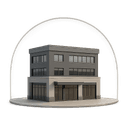
Commercial Property
Can help repair or replace your building, equipment, inventory, and furnishings after covered events like fire, wind, or theft.

General Liability
Can help cover customer injuries, damage to property owned by others, and related legal costs your business becomes responsible for.
Business Income
May replace lost income and help pay rent, payroll, and other continuing expenses while covered damage forces a temporary shutdown.
Equipment Breakdown
Typically covers repair or replacement when equipment like air conditioning, refrigeration, or computers fails from a sudden mechanical or electrical breakdown.
Hired & Non-Owned Auto
May respond when vehicles your business rents or employees' personal cars are used for work and cause an accident.
Business Owners Policy Insurance Requirements in Wyoming
- The Wyoming Department of Insurance regulates the market, so policy terms and endorsements should be reviewed through a Wyoming-licensed carrier or agent.
- Businesses should compare quotes from multiple carriers because pricing can vary by underwriting approach.
- Wyoming workers comp is required for employers with at least one employee, but sole proprietors and partners are exempt.
How Much Does Business Owners Policy Insurance Cost in Wyoming?
Average Cost in Wyoming
$45 - $140
per month
Businesses in Wyoming typically see business owners policy insurance premiums of $45 - $140 per month, which tends to run 12% below the national range of $50 - $160 per month.
- Annual revenue and industry class
- Building and contents values
- Square footage and building age
- Catastrophe exposure at your address
- Liability limits and property deductibles
- Claims history
Contact CPK Insurance for a personalized quote.
The Wyoming price picture for this coverage is below the national average, but the actual cost still varies by coverage limits, deductibles, claims history, location, industry risk, and endorsements. Pricing can vary materially between carriers, and differences in limits and optional coverages can move the final quote. Wyoming's premium index is 92, meaning a policy that might cost $100 nationally could run closer to $92 here. That lower baseline can free up budget for higher limits or endorsements that matter for your operation, though the advantage is not uniform across every business type. A shop in Cheyenne or Casper with modest inventory and limited foot traffic may see a different quote than a business in a higher-risk profile industry or a location with greater storm exposure.
Severe weather risk is rated high across the state, and those hazards can influence property-related pricing because they affect repair likelihood and downtime. The state's small-business share means many policies are written for smaller footprints, but property value, revenue, and endorsements still matter. Statewide averages do not capture your building type, inventory level, or business interruption exposure, so a personalized quote is the only way to get an accurate number.
| BOP Component | What's Included | Typical Limits |
|---|---|---|
| General Liability | Third-party injury, property damage, advertising injury | $1M/$2M |
| Commercial Property | Building, equipment, inventory, fixtures | Replacement cost |
| Business Interruption | Lost income + ongoing expenses during shutdown | 12 months coverage |
| Cyber (Endorsement) | Data breach response and liability | $50K to $100K |
| EPLI (Endorsement) | Employment discrimination, harassment claims | $50K to $250K |
| Equipment Breakdown | Mechanical/electrical equipment failure | Varies by equipment value |
General Liability
- What's Included
- Third-party injury, property damage, advertising injury
- Typical Limits
- $1M/$2M
Commercial Property
- What's Included
- Building, equipment, inventory, fixtures
- Typical Limits
- Replacement cost
Business Interruption
- What's Included
- Lost income + ongoing expenses during shutdown
- Typical Limits
- 12 months coverage
Cyber (Endorsement)
- What's Included
- Data breach response and liability
- Typical Limits
- $50K to $100K
EPLI (Endorsement)
- What's Included
- Employment discrimination, harassment claims
- Typical Limits
- $50K to $250K
Equipment Breakdown
- What's Included
- Mechanical/electrical equipment failure
- Typical Limits
- Varies by equipment value
How Wyoming compares with the national baseline
Property crime per 100,000 residents
1,780 vs 2,200 baseline
Property crime in Wyoming runs below the national average, at 1,780 vs 2,200 incidents per 100,000 residents.
Blue bar: Wyoming. Gray line: national baseline.
Prices shown are general estimates, not guaranteed rates or quotes. Your actual premium will depend on the insurer, coverage selected, business details, location, claims history, and other underwriting factors. Learn about our pricing methodology.
Request a Quote Comparison
Enter your ZIP code to compare business owners policy insurance rates from top carriers.
Business insurance starting at $25/mo
Who Needs Business Owners Policy Insurance?
A BOP in Wyoming is a strong fit for small to mid-size businesses that want commercial property and general liability in one policy and need a practical starting point for bundled coverage. Retailers in Cheyenne, Casper, and Gillette often need it because inventory and storefront property may be exposed to severe weather and theft-related losses, and the state's property crime environment makes physical protection worth reviewing carefully. Restaurants and accommodation or food service businesses, which are part of Wyoming's top employment sectors, may also benefit because they usually have customer traffic, equipment, and revenue that can be disrupted by a covered property event. Offices, professional storefronts, and light service businesses in places like Laramie, Rock Springs, and Sheridan may use it to align building, contents, and liability protection without managing separate policies.
Wyoming's economy is also shaped by mining and oil/gas extraction, government, healthcare, and retail, so businesses that lease space, store inventory, or rely on equipment should check whether the policy's property limits are enough for their operation. Eligibility thresholds vary by carrier, so larger or more complex operations may need separate policies. Wyoming businesses should also remember that workers comp is required for employers with at least one employee, so your BOP is not a substitute for that separate obligation. Sole proprietors and partners are exempt from that requirement, but they may still want a BOP for property, liability, and income protection.
Business Owners Policy Insurance by City in Wyoming
Business Owners Policy Insurance rates and coverage options can vary across Wyoming. Select your city below for localized information:
How to Buy Business Owners Policy Insurance
To buy a business owners policy in Wyoming, start by matching your business type, property details, and revenue to carrier eligibility rules before you compare prices. The Wyoming Department of Insurance regulates the market, so the first step is to work with a carrier or agent that writes commercial property and general liability in Wyoming and can explain how the policy fits your industry. Coverage requirements vary by industry and business size, so gather your key details before requesting quotes. That includes your business address, square footage, building ownership or lease details, equipment values, inventory estimates, payroll or revenue figures, and any prior claims history.
Ask whether the quote includes business income coverage, equipment breakdown coverage, and any endorsements you need for your operations, because those additions can change both the premium and the protection level. If you have a location in a weather-exposed area or a property with higher replacement cost, be ready to discuss deductibles and limits carefully. If you need workers comp because you have employees, that should be handled separately, and you can ask whether the same carrier can quote both lines. Request a quote through CPK Insurance to compare your options with participating licensed providers.
How to Save on Business Owners Policy Insurance
The most reliable way to manage cost is to compare multiple quotes and keep the policy aligned with your actual exposure instead of overbuying limits you do not need. If your business is in Cheyenne, Casper, or another location with significant weather exposure, ask how the carrier prices severe storm, wildfire, and winter weather risk, because those hazards are high in Wyoming and can influence property-related premiums.
A smaller retail shop or office may be able to save by choosing practical deductibles and by only adding endorsements that fit the business, such as equipment breakdown coverage when equipment is central to operations. Bundling can also help because a BOP already combines commercial property and general liability, and some businesses may be able to coordinate workers comp separately with the same carrier for a simpler account structure. If your business qualifies as a small or mid-size account, staying within common BOP eligibility ranges can help you remain in the market that carriers are most willing to quote. Wyoming businesses should also review building age, roof condition, and safety features before renewal, since property condition can affect underwriting.
Our Recommendation for Wyoming
For most Wyoming small businesses, the smartest first step is a BOP that matches the building, contents, and revenue you actually have today. The right quote is usually the one that balances property, liability, and business income protection without unnecessary extras. If your operation depends on equipment or stored inventory, ask directly about equipment breakdown coverage and whether the limits are enough for your location. If your business uses vehicles occasionally but not as a core fleet, ask whether hired and non-owned auto coverage is available as an endorsement. Before you bind coverage, compare at least two carriers, confirm deductible choices, and make sure the policy reflects your Wyoming address, square footage, and revenue. That approach gives you a more accurate quote and a better fit for the way Wyoming businesses actually operate.
FAQ
Frequently Asked Questions
In Wyoming, a BOP usually combines commercial property, general liability, and business income coverage, and many carriers let you add equipment breakdown coverage or other endorsements depending on the business.
Your cost depends on limits, deductibles, claims history, location, industry, and endorsements. Wyoming's premium index of 92 suggests pricing generally runs below the national average, but your specific quote will reflect your individual risk profile and coverage choices.
There is no statewide BOP mandate, but Wyoming businesses should compare quotes from multiple carriers, and coverage requirements may vary by industry and business size. A policy that works for a small retail shop may not fit a larger or more complex operation.
If you run a small or mid-size business in Cheyenne, Casper, or another Wyoming city and need property, liability, and income protection together, a BOP is often the starting point to compare. Your location and exposure to severe weather may affect how carriers underwrite and price the policy.
Business income coverage can help replace lost income and ongoing expenses if a covered event forces a temporary shutdown, which is relevant in Wyoming because severe storm, wildfire, and winter weather risk can interrupt operations. This protection may apply while repairs are underway and your business cannot operate normally.
Yes, many carriers offer equipment breakdown coverage as an endorsement, which can matter if your Wyoming business depends on machinery, refrigeration, or other equipment to keep operating. This addition can help cover repair or replacement costs when a sudden mechanical or electrical failure occurs.
Gather your address, square footage, property values, inventory, revenue, and claims history, then compare your options with participating licensed providers.
A BOP bundles general liability insurance, commercial property insurance, and business interruption coverage into a single policy at a discounted rate. Most BOPs can be customized with endorsements for cyber liability, employment practices liability, professional liability, equipment breakdown, and more.
Updated July 16, 2026