Updated July 16, 2026

Key Takeaways
- List every towing and transport service you perform before requesting quotes, so loading, unloading, winching, and recovery exposures are reviewed correctly.
- Compare the on-hook limit, deductible, valuation method, and exclusions side by side instead of choosing a policy on premium alone.
- Ask in writing whether your policy addresses the specific vehicles you tow most often, especially specialty, modified, low-clearance, or higher-value units.
- Use pre-tow photos, condition notes, and signed release procedures on every job to reduce disputes and support claims handling.
- Review on-hook coverage together with auto liability and any garagekeepers coverage before renewal to catch gaps between transport and storage.
On-Hook Towing Insurance in Wyoming
In Wyoming, lenders financing your trucks, motor clubs sending you calls, and property managers authorizing impounds often want proof that your policy matches the work you actually perform. They are not just checking for a certificate. They want to see limits, covered operations, and whether your towing business can respond if a customer vehicle is damaged while attached, loaded, carried, or unloaded. That is where on-hook towing insurance becomes a practical buying issue, not a paperwork exercise. A quote should line up with how you dispatch across long rural stretches, handle weather-driven roadside calls, move pickups and heavier vehicles, and document condition before and after the tow. Wyoming also puts insurance oversight under the Wyoming Department of Insurance, which means you have a state-level resource for verifying carrier licensing, reviewing policy filings, and filing complaints if a claim handling dispute arises. In practical terms, that means you can confirm a carrier is legitimate before you pay a premium, compare policy forms to see what is actually excluded, and escalate to the state if a claim goes sideways. When requesting quotes, ask each source to match your truck types, service radius, storage exposure, and the mix of consensual tows, recoveries, and impounds you actually run.
What On-Hook Towing Insurance Covers
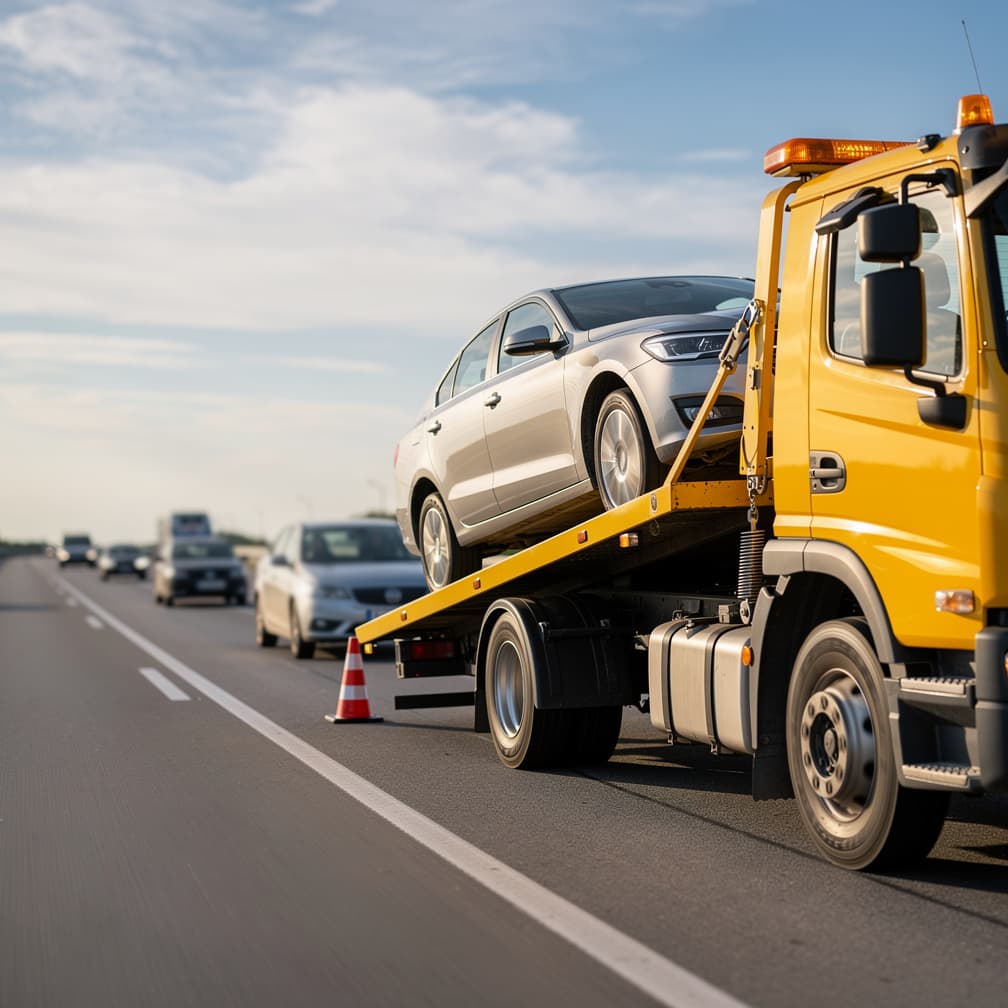
The real question is where your operation creates the most expensive handoff points, and whether the policy terms match those moments. If your drivers work long highway stretches, mountain approaches, rural county roads, or winter roadside calls, ask how the policy responds during loading, winching, wheel-lift transport, flatbed carriage, and unloading. Those are the points where a customer dispute usually starts, because the owner may not have seen the vehicle until after the tow is complete.
You should also review how the carrier classifies the kinds of vehicles you move. A tow company handling standard passenger vehicles may be underwritten differently from one that regularly moves pickups, vans, work trucks, or vehicles with pre-existing body damage. That matters because a claim often turns on the photos and written notes you take at pickup, the attachment method, and whether the vehicle was stable before transport began. Wyoming weather and road conditions can also change the exposure even when the service type stays the same. If your dispatch mix includes breakdown tows in snow, ditch pulls after storms, or longer-distance transports between towns, ask whether the underwriter wants separate detail on recovery work versus routine towing. That distinction can affect how your operation is evaluated.
Before you buy, request specimen wording or a clear coverage summary and compare it against your dispatch logs. If a large share of your work involves after-hours calls, impounds, or recovery situations, make sure those activities are disclosed up front rather than argued about after a loss.
Collision on Hook
Covers damage to towed vehicles from collisions during transport.
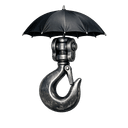
Comprehensive on Hook
Covers theft, fire, and weather damage to vehicles being towed.
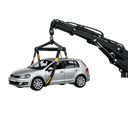
Loading & Unloading
Covers damage during the process of loading and unloading vehicles.
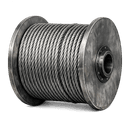
Winching Coverage
Covers damage to vehicles during winching and recovery operations.
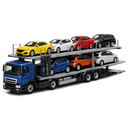
Multiple Vehicle
Covers all vehicles on multi-car carriers and rollback flatbeds.
On-Hook Towing Insurance Requirements in Wyoming
- Wyoming towing operations often cross long rural distances, so you should confirm that your quoted operations and service radius match where loaded vehicles actually travel.
- If winter roadside calls and storm-related recoveries are part of your book, disclose them clearly instead of letting the underwriter assume routine local towing only.
- Businesses that mix impounds, dealer moves, and standard roadside towing should keep those services distinct in applications, dispatch records, and certificate requests.
- A Wyoming account with strong vehicle condition photos, hookup documentation, and delivery records is usually easier to defend when a damage dispute follows the tow.
How Much Does On-Hook Towing Insurance Cost in Wyoming?
The price of on-hook coverage usually moves with exposure details that an underwriter can verify, not with a one-line description of your business. Start with the vehicles you tow. A schedule built around ordinary passenger cars may be reviewed differently from one that includes heavier pickups, commercial vans, or work trucks. The more expensive or specialized the vehicles you move, the more closely the carrier will look at limits, attachment methods, and the dollar size of claims your work type tends to generate.
A business doing mostly planned dealer transfers or local transport may present a different profile from an operator taking emergency roadside calls, private property impounds, and recovery jobs in the same week. In Wyoming, that difference can become more pronounced because long travel distances, winter conditions, and remote dispatch locations can increase the chance that a small incident turns into a larger claim dispute. Expect the quote process to focus on operational details such as truck type, wheel-lift versus flatbed use, service radius, storage arrangements, driver experience, loss history, and whether you photograph vehicle condition before hookup and after delivery. Deductible choices and requested limits also change the premium. A higher deductible lowers your premium but means more out-of-pocket cost when a claim hits, so it helps to decide in advance what level of retained risk your business can absorb without disrupting cash flow.
A useful quote comparison is not just the lowest number. Ask each carrier or broker to show what assumptions were used. If one quote is materially lower, confirm that it reflects the same services, territory, and vehicle types. Otherwise, you may be comparing a narrower underwriting assumption rather than a true savings opportunity.
Request a Quote Comparison
Enter your ZIP code to compare on-hook towing insurance rates from top carriers.
Business insurance starting at $25/mo
Who Needs On-Hook Towing Insurance?
The buyers who most often need to review on-hook exposure are the operators whose daily work shifts by call type, season, and geography. If you run roadside assistance across long stretches between towns, your risk is different from a company that stays inside one urban service area. If you handle impounds for property owners, accident recovery after storms, or dealer and auction moves, you should assume the underwriter needs a more detailed picture than a generic towing classification provides.
A repair shop with a rollback, a roadside service business that occasionally transports disabled vehicles, or a recovery-focused operator that also performs standard tows may all create the same core exposure once a customer vehicle is attached to the truck.
Wyoming conditions make that review more important. Rural dispatches can mean longer loaded travel time, and weather can change the difficulty of loading and unloading. A vehicle pulled from a ditch or moved off a slick shoulder can produce a different claim narrative than a routine transport from one paved lot to another. If your work includes any of those situations, your quote should describe them clearly. You should also think about who asks for proof. Lenders, contract partners, and commercial accounts often want evidence that your insurance program matches the services you are billing for. Before renewing, compare your invoices and dispatch categories against your current policy description. If they do not line up, fix that before the next certificate request or claim.
On-Hook Towing Insurance by City in Wyoming
On-Hook Towing Insurance rates and coverage options can vary across Wyoming. Select your city below for localized information:
How to Buy On-Hook Towing Insurance
Buying this coverage goes more smoothly when you present your operation the way an underwriter will evaluate it, by service type, vehicle type, territory, and claim controls. Start by separating routine tows from recovery work, impounds, dealer moves, auction transport, roadside assistance, and any longer-distance hauling. Then identify which trucks perform each task, because equipment built for scheduled transports is not reviewed the same way as a unit taking unpredictable roadside calls.
Next, prepare the records that answer the questions most likely to slow down a quote. That usually includes a current vehicle schedule, driver list, loss runs if available, service radius, storage details, and a short explanation of how you document vehicle condition. In Wyoming, it also helps to explain where your calls occur most often, such as interstate work, rural county routes, mountain travel, or mixed territory. That gives the underwriter a clearer picture of loading conditions, travel distances, and after-hours exposure.
Ask each quoting source to confirm how your operation is being described. If your business performs both standard towing and more difficult recovery work, make sure both are disclosed. If you subcontract overflow calls or use owner-operators, raise that early so there is no mismatch between the application and the way jobs are actually handled. When you are ready to move forward, read the quote summary line by line. Verify covered vehicles, listed operations, deductibles, and any conditions tied to documentation or driver qualifications. Then request certificates only after the final policy reflects the work you truly do, not the simplified version that was easiest to submit.
Request a quote through CPK Insurance to compare your options with participating licensed providers.
How to Save on On-Hook Towing Insurance
The most reliable way to lower friction in underwriting is to make your operation easier to understand and easier to defend after a loss. Start with condition documentation. Use consistent before-and-after photos, note existing damage on every tow, and keep dispatch records that show where the vehicle was picked up, how it was attached, and who received it at delivery. That discipline can help reduce disputes that may otherwise make an account look harder to insure at renewal.
You can also save by tightening the way jobs are assigned. Match heavier vehicles and more difficult recoveries to the trucks and drivers best suited for them, rather than treating every call as interchangeable. If your operation mixes flatbed work, wheel-lift towing, impounds, and recovery, keep those categories visible in your records. Clear segmentation helps an underwriter see the difference between routine transport and higher-severity work.
Review your service radius and contract requirements ahead of shopping. If you no longer perform certain higher-risk jobs, remove them from your submissions. If a commercial client or lender requires specific limits, ask for those terms directly instead of overbuying broad assumptions across the whole account. Savings often come from cleaner alignment, not from stripping out useful protection. Finally, clean up avoidable underwriting concerns ahead of renewal. Update driver information, correct outdated vehicle schedules, and explain any prior losses with the operational changes you made afterward. In Wyoming, where weather and distance can complicate claims, a well-documented account often earns more serious consideration than a rushed application with missing details.
Our Recommendation for Wyoming
Buy this coverage with your dispatch map in mind, not just your truck list. A tow company that spends most of its time on local private property impounds presents one kind of exposure. An operator running long rural calls, winter breakdowns, and occasional recovery work presents another. Your application should make that difference obvious. Focus your submission on three things: the heaviest vehicles you tow, the hardest conditions you work in, and the longest loaded trips you take. If any one of those is understated, the policy may still bind, but the account can become harder to defend after a claim. That is especially important if your drivers switch between flatbeds and wheel-lifts or if your business handles both consensual tows and impounds.
You should also pressure-test your documentation process ahead of renewal. If a customer disputes new damage, can you produce timestamped photos, dispatch notes, hookup details, and delivery confirmation quickly. If not, fix that workflow now, because better records can matter as much as the policy form. Finally, keep your insurance description synchronized with your invoices and contracts. If your paperwork shows recovery, transport, or impound activity that was never disclosed in the application, ask for an updated review ahead of the next certificate request.
FAQ
Frequently Asked Questions
In Wyoming, lenders, commercial clients, motor clubs, and property managers often ask for proof that your policy matches the towing work you perform. They usually want more than a certificate, especially when contracts, financed trucks, or impound authority are involved.
Wyoming places insurance oversight under the Wyoming Department of Insurance, but your need for on-hook coverage is usually driven by your operations, contracts, and risk tolerance. Review state filings, lender requirements, and client agreements before deciding how to structure the policy.
Winter roadside calls, remote pickups, and difficult loading conditions all change your risk profile. An underwriter looks at those details to gauge claim severity, meaning how much a single loss might cost. A ditch pull in a snowstorm carries more potential for a large payout than a flat lot transport, so disclose recovery work, travel patterns, and documentation practices up front.
Wyoming underwriters often want the operation described by truck type and service type, because a flatbed used for planned transport is not the same exposure as a wheel-lift handling unpredictable roadside calls. Break out each use clearly when requesting quotes.
Wyoming businesses do not need to call themselves towing companies to create this exposure. If your rollback or service truck transports customer vehicles as part of repair, roadside, or recovery work, ask for a quote that reflects those actual operations.
Wyoming applicants usually get better quote accuracy when they provide a vehicle schedule, driver list, service radius, loss information, storage details, and a clear description of towing, impound, transport, and recovery work. Good records help the underwriter classify the account correctly.
Wyoming claims often become disputes when vehicle condition was not documented before hookup or at delivery. Timestamped photos, dispatch notes, and clear handoff records can make a major difference if a customer later alleges damage during loading, transport, or unloading.
On-hook towing insurance may cover damage to a customer vehicle while it is being loaded, attached, carried, winched, or unloaded by your tow truck, depending on the policy terms. Buyers should review collision, fire, theft, weather, and loading-related damage carefully.
Sources
- 1.Wyoming Department of Insurance(Wyoming puts insurance oversight under the Wyoming Department of Insurance.)
Updated July 16, 2026