








































Updated July 5, 2026

Inland Marine Insurance in Laramie
You often work out of a small shop, a leased bay, a clinic office, or a home base near campus, then load up tools, diagnostic gear, samples, or client property for the next stop across town or out into the county. Inland marine insurance in Laramie deserves a closer review when your equipment does not stay at one address, because loss scenarios change once property rides in a truck, sits in a temporary workspace, or moves between customer locations during the week. Here, that pattern shows up across contractors, technical service firms, and health-related operations that rely on portable equipment to keep appointments and projects moving. If your day includes unloading at one site in the morning, storing items overnight somewhere else, and returning to a primary location later, ask for a quote that schedules the property you actually move, not just what sits inside your main premises policy. The goal is simple: match limits, valuation, and any transit or installation exposure to the way your business really handles mobile property.
Inland Marine Insurance Risk Factors in Laramie
Local movement is the issue that changes the coverage review most. Property that leaves your main address can face a different claim path than property kept inside a fixed building, especially if it is loaded and unloaded repeatedly, left at a temporary job site, or carried into client premises by employees. In this market, that often means contractor tools, testing equipment, laptops, cameras, medical or therapy devices, and materials waiting for installation. Wyoming hazard patterns matter in the background, but the practical buying question here is operational: **where does the property go, who has custody, and how long does it stay away** from your primary location? Build your quote around those details. A good review usually lists the equipment that travels most, checks whether temporary storage and transit are contemplated, and confirms whether customer property or installation exposures should be added.
Wyoming has a moderate climate risk rating. Top hazards: Severe Storm (High), Wildfire (High), Winter Storm (High), Tornado (Moderate). The state's expected annual loss from natural hazards is $160M, which influences inland marine insurance premiums and may affect coverage availability in high-risk areas.
What Inland Marine Insurance Covers
In Wyoming, this coverage is built for property that does not stay put. Your policy may help cover tools, equipment, materials, and goods that move between job sites, customer locations, and temporary storage, depending on the policy form. The core options include tools and equipment, goods in transit, contractors equipment, installation floater, and builders risk coverage. Those matter because a fixed-location property policy does not automatically follow property once it leaves the premises. For Wyoming businesses, that is especially relevant when equipment is hauled across long distances, staged in temporary yards, or left at a project site in changing weather.
Wyoming does not impose a special inland marine mandate, but your needs depend on your operation. Policy structure, limits, and endorsements should be reviewed carefully rather than assumed from a national template. A contractor working near Cheyenne, a crew storing equipment in Casper, or a business moving goods through temporary storage in Laramie should confirm whether the policy may cover theft, damage, vandalism, and other covered perils while property is away from the main location.
Because Wyoming has high-rated severe storm, wildfire, and winter storm exposure, the policy wording around offsite storage, transit, and job-site exposure deserves extra attention. If you need installation floater or builders risk coverage, ask how the policy treats materials waiting to be installed, items in transit, and property at a temporary location.
Coverage Included
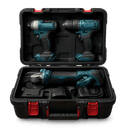
Tools & Equipment
Can help repair or replace hand tools, power tools, and gear that are stolen or damaged on the job or in transit.
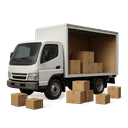
Goods in Transit
May cover products, materials, and merchandise while they are being shipped or hauled between locations in your care.
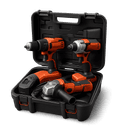
Contractors Equipment
Typically covers heavy machinery like excavators, loaders, and generators against theft or damage at job sites and between them.
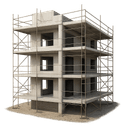
Installation Floater
Can help cover materials and fixtures from the moment you buy them until they are installed and accepted at a project.
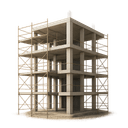
Builders Risk
May cover a structure under construction, along with materials on site, against damage from fire, wind, theft, and vandalism.
Inland Marine Insurance Cost in Laramie
Average Cost in Wyoming
$25 - $90
per month
Businesses in Wyoming typically see inland marine insurance premiums of $25 - $90 per month, which tends to run 4% below the national range of $20 - $100 per month.
- Total insured value of the scheduled property
- Type and age of the equipment
- Where it is stored and how far it travels
- Jobsite security and theft prevention
- Per-item limits and deductibles
- Prior theft and in-transit losses
Contact CPK Insurance for a personalized quote.
Prices shown are general estimates, not guaranteed rates or quotes. Your actual premium will depend on the insurer, coverage selected, business details, location, claims history, and other underwriting factors. Learn about our pricing methodology.
For Wyoming businesses, the average premium range is $25 to $90 per month, while broader small-business figures show a monthly average range of $20 to $100. Actual pricing varies by carrier, class of business, and how much mobile property you insure. The state-specific premium index is 92, which suggests premiums here run below the national average. In practical terms, that can mean your base rate may start lower than in higher-index states, though your final quote still depends on your property schedule and risk profile. Limits, deductibles, claims history, location, industry, risk profile, and policy endorsements all affect the final number.
Wyoming's risk environment can push pricing in different directions. Severe storm, wildfire, and winter storm exposure can matter when equipment is stored outdoors, moved frequently, or left at a remote site. A business in a county with heavier weather exposure may see different pricing than one with more controlled storage and shorter transit windows.
Wyoming has 180 active insurance companies competing for business, and 21,800 businesses operate here with 99% classified as small. That level of competition can help when comparing costs, especially if you request multiple quotes and present clear schedules of tools, equipment, and materials. Farm Bureau is among the top carriers in the state, which can be a useful starting point, though the best fit varies by your operations and endorsements.
To manage cost, align limits with actual replacement values, keep deductibles realistic for your cash flow, and avoid paying for coverage you do not need. Because the policy can be tailored to your specific mobile property, the price depends heavily on how broad the schedule is and how much offsite exposure you are insuring.
Industries & Insurance Needs in Laramie
County business mix is the clearest local signal for demand. Albany County reports 1,094 business establishments, with health care and social assistance at 13.1%, professional, scientific, and technical services at 12.3%, and construction at 11.9%, so a large share of local firms either carry equipment to appointments, move specialized devices between sites, or transport tools and materials for active jobs. That matters because inland marine buying here is less about warehouse stock and more about portable business property that earns revenue away from the main address. If your operation fits one of those patterns, ask for a quote built around item type, where it travels, and whether it is owned, borrowed, or held for a client. That usually produces a more useful review than treating all business personal property the same.
What Makes Laramie Different
The university-town service mix is what changes the calculus here. In a market shaped by clinics, technical service firms, and contractors serving a compact local area plus surrounding county work, mobile property often moves short distances but changes hands and locations frequently. That creates a practical gap if you assume a standard premises-based property setup follows equipment everywhere it goes. It may not be that simple once items are in transit, at a temporary site, or waiting to be installed. The point is not that businesses here travel farther than elsewhere. It is that many local operations depend on portable, revenue-producing equipment that leaves the main address as part of normal weekly work. Review what actually travels, how often it is off premises, and whether any single item needs to be scheduled separately before you renew or take on a larger contract.
Our Recommendation for Laramie
Start with an inventory of the property that leaves your main location at least weekly. Include serial numbers, replacement cost, who uses each item, and whether it travels in employee vehicles, company vehicles, or by delivery. Then separate property into three buckets: tools and equipment you own, materials or goods in transit, and any client property in your care. That structure makes it easier to request the right inland marine forms instead of a vague add-on. If you install materials, ask whether installation exposure should be reviewed. If you bring devices into customer or patient-facing settings, confirm how temporary locations are treated. If your business serves price-sensitive households, remember that Laramie median household income is $52,414, so delays after a loss can affect customer retention as much as the equipment replacement itself. Get a quote that shows limits and valuation clearly, then compare it against the property you actually move each week.
Get Inland Marine Insurance in Laramie
Enter your ZIP code to compare inland marine insurance rates from carriers in Laramie, WY.
Business insurance starting at $25/mo
FAQ
Frequently Asked Questions
Laramie businesses often do if equipment regularly leaves the main address for jobs, appointments, or temporary workspaces. The key review point is not the size of your office, but whether revenue depends on property in transit, at client sites, or stored away from your primary location.
Laramie contractors and service firms should start with the items that travel most often: tools, diagnostic devices, laptops, cameras, materials awaiting installation, and any client property in your care. A cleaner schedule usually leads to a more accurate coverage review.
Albany County has 1,094 business establishments, with health care and social assistance at 13.1%, professional, scientific, and technical services at 12.3%, and construction at 11.9%. That mix points to many firms using portable equipment, so off-premises property deserves a closer review.
Laramie clinics, therapists, and technical service firms often rely on devices that travel between offices, homes, or customer locations. Inland marine may be worth reviewing when those items are central to appointments and are not kept at one insured address all week.
Laramie buyers with policy or licensing questions can look to the Wyoming Department of Insurance. For shopping, the more useful step is usually to compare how each quote treats transit, temporary locations, and any high-value items that need separate scheduling.
It may help cover business property that moves between locations, including tools, equipment, materials, and goods being transported, depending on the policy form and whether the loss fits a covered peril. In Wyoming, that matters when property is traveling to Cheyenne, Casper, Laramie, or a rural job site rather than sitting at your main location.
The policy is designed to follow mobile property to offsite locations, including job sites and temporary storage, instead of limiting protection to a fixed premises. You should confirm the storage language carefully because Wyoming weather exposure can make temporary locations a bigger risk than a permanent warehouse.
Contractors, businesses tied to mining and oil/gas extraction, and any company that regularly moves tools, materials, or equipment between sites are strong candidates. Wyoming's economy is small-business heavy, so many firms need a policy that matches a mobile work pattern rather than a fixed storefront.
Sources
- 1.U.S. Census Bureau, County Business Patterns, Albany County(Albany County reports 1,094 business establishments, with health care and social assistance at 13.1%, professional, scientific, and technical services at 12.3%, and construction at 11.9%.)
- 2.U.S. Census Bureau, ACS 5-Year Estimates, table B19013(Laramie median household income is $52,414.)
- 3.Wyoming Department of Insurance(Wyoming Department of Insurance is Wyoming's insurance regulator.)
Updated July 5, 2026





