Updated July 16, 2026

Key Takeaways
- List every towing and transport service you perform before requesting quotes, so loading, unloading, winching, and recovery exposures are reviewed correctly.
- Compare the on-hook limit, deductible, valuation method, and exclusions side by side instead of choosing a policy on premium alone.
- Ask in writing whether your policy addresses the specific vehicles you tow most often, especially specialty, modified, low-clearance, or higher-value units.
- Use pre-tow photos, condition notes, and signed release procedures on every job to reduce disputes and support claims handling.
- Review on-hook coverage together with auto liability and any garagekeepers coverage before renewal to catch gaps between transport and storage.
On-Hook Towing Insurance in Alabama
Most towing operators start shopping for this coverage the week they add a truck, take on police rotation work, or sign a storage account that asks harder questions about damage responsibility. The right quote is built around the vehicles you actually tow, where losses can happen in your workflow, and how a claim would be documented after a handoff dispute. Gather your service mix, tow radius, unit types, driver roster, and the kinds of vehicles you handle most often so the underwriting file reflects the operation you run today.
What On-Hook Towing Insurance Covers
The practical review starts with your actual handoff points. A clean quote process looks at where responsibility begins, how condition is documented, and which jobs create the biggest disagreement risk after delivery. That matters if your work includes roadside calls on wet shoulders, post-collision pickups, private property impounds, dealer transfers, or moves involving low-clearance vehicles that can pick up damage during loading or unloading. The policy terms you review should line up with those moments, because claim disputes often turn on exactly when the vehicle entered your care and what your driver noted before movement started.
You should also look closely at how your operation separates ordinary towing from tougher recovery-style work. Some operators handle mostly routine disabled-vehicle tows, while others regularly deal with accident scenes, abandoned vehicles, storage-lot movements, or after-hours impounds. Those differences affect how underwriters view damage potential, especially where a vehicle may already have visible impact damage, suspension issues, missing keys, or locked steering. If your drivers use photos, dispatch notes, signed condition reports, and release procedures consistently, ask that the underwriting file reflect it.
Weather-related roadway hazards can complicate loading angles, shoulder access, and post-loss documentation, so you want policy language reviewed for exclusions, reporting expectations, and any limits that may be too low for the vehicles you now move. Pay close attention to valuation method, which is the rule the policy uses to decide what a damaged vehicle is worth. If your policy uses actual cash value, a depreciation formula may reduce what the insurer pays below what your customer expects. A five-year-old luxury sedan with prior wear, for example, might settle at $18,000 when the owner believes the replacement value is $32,000, leaving your business caught in the middle. Replacement cost language is broader but may come with caps or conditions. Ask for examples of how your policy would respond to a disputed scratch claim, undercarriage damage allegation, or a loss discovered only after delivery, then compare those answers side by side.
Collision on Hook
Covers damage to towed vehicles from collisions during transport.
Comprehensive on Hook
Covers theft, fire, and weather damage to vehicles being towed.
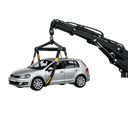
Loading & Unloading
Covers damage during the process of loading and unloading vehicles.
Winching Coverage
Covers damage to vehicles during winching and recovery operations.
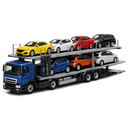
Multiple Vehicle
Covers all vehicles on multi-car carriers and rollback flatbeds.
On-Hook Towing Insurance Requirements in Alabama
- If your operation mixes routine towing with impounds, dealer transfers, and recovery-style work, ask underwriters to rate the actual service split rather than a generic towing description.
- Storage, release, and after-hours handoff procedures can affect how a disputed damage claim develops, especially when the complaint appears after delivery instead of at pickup.
- A policy review should focus on exclusions, deductibles, valuation language, and reporting expectations that fit how your drivers document vehicle condition in the field.
- The Alabama Department of Insurance publishes consumer complaint data and carrier financial information that can help you compare insurers beyond premium alone. Complaint data tracks how many formal grievances policyholders have filed against a carrier, which gives you a sense of how the company handles disputes when a claim goes sideways.
How Much Does On-Hook Towing Insurance Cost in Alabama?
A quote changes based on the value of the vehicles you tow, whether you use flatbeds or wheel-lifts, how often you handle accident recoveries or impounds, where your units travel, and how claims would be defended if a customer disputes when damage occurred. If your operation has moved from routine roadside calls into police rotation, dealer transport, or higher-value vehicles, your current limit may no longer fit the loss severity you could face.
Underwriters also look at how disciplined your operation appears on paper. Driver experience, motor vehicle records, loss history, dispatch controls, storage practices, photo documentation, and whether you use written condition check procedures can all affect how a carrier views your account. That documentation matters because weather events and roadway conditions can make it harder to separate pre-existing damage from towing damage after the fact. A business that can show consistent intake photos, timestamped dispatch records, and clear release procedures is easier to rate than one relying on memory and informal texts.
The most useful way to shop is to request matching quote assumptions from each carrier option. Then compare not only premium, but also deductibles, valuation language, exclusions, and whether the quote is comfortable with the kinds of vehicles you actually move. If you are trying to control cost, ask what changes the underwriter would credit, such as tighter driver screening, stronger documentation, or a different limit structure, before you reduce protection in a way that leaves a gap.
Request a Quote Comparison
Enter your ZIP code to compare on-hook towing insurance rates from top carriers.
Business insurance starting at $25/mo
Who Needs On-Hook Towing Insurance?
The buyers who need to review this coverage are often broader than the business name on the door suggests. A company may market itself as roadside assistance, recovery, transport, repossession support, impound management, or dealer logistics, yet still take custody of vehicles in ways that create on-hook exposure. If a customer vehicle is attached to your truck or being moved by your equipment, you should review whether your policy setup matches that work, especially if your invoices describe services differently from how the job actually unfolds in the field.
This becomes more important as an operation grows. Many towing businesses start with a narrow service mix, then add private property impounds, municipal work, after-hours calls, storage-lot transfers, or specialty vehicle moves as opportunities appear. A routine disabled sedan tow is not the same underwriting conversation as moving a lowered vehicle, handling a post-collision pickup with uncertain prior damage, or transporting a truck with mechanical issues that affect loading and unloading.
You should also review this coverage if your contracts are getting more formal. Property managers, motor clubs, repair facilities, auctions, and public-sector accounts may not all ask for the same proof, but they often expect your insurance program to match the services you perform. If your certificate requests, service agreements, or dispatch instructions have become more detailed, that is a sign to revisit limits, deductibles, and claim reporting procedures. The right time is before a new account starts, not after a customer alleges damage and your policy wording is being tested under pressure.
On-Hook Towing Insurance by City in Alabama
On-Hook Towing Insurance rates and coverage options can vary across Alabama. Select your city below for localized information:
How to Buy On-Hook Towing Insurance
Begin with a current list of every truck, attachment method, service type, and territory you run. Then add the details that usually decide whether a quote is accurate: the kinds of vehicles you move most often, whether you do impounds or recovery work, how after-hours jobs are handled, where vehicles are stored, and who is authorized to release them. If your business has changed recently, note that clearly so the quote reflects the operation you have now, not the one you had last renewal.
Next, prepare your damage-control documentation before you ask for pricing. That means sample intake photos, dispatch logs, driver procedures, condition report forms, and any customer signoff process you use. Where weather and roadway conditions can complicate a claim narrative, those records help an underwriter see that your business can document what happened before, during, and after a tow. They also help you compare policies on more than premium alone, because stronger operations can sometimes access better terms than a sparse submission would suggest.
As you review quotes, ask direct operational questions. How does the policy treat disputed pre-existing damage? Are there exclusions that matter for your service mix? Is the requested limit realistic for the vehicles you tow today? What reporting steps are expected after an incident? Before you bind, line up your certificate needs, contract requirements, and internal claim reporting steps so your drivers and dispatch team know exactly what to do on the first day of coverage. Ready to shop your quote? Submit your truck list, driver roster, and service mix to CPK Insurance and we will match you with participating licensed providers.
How to Save on On-Hook Towing Insurance
Start with driver selection and supervision. Keep motor vehicle record reviews current, document who can handle specialty jobs, and separate routine towing from more difficult assignments so underwriters can see that higher-risk work is not being handed out casually. If one part of your operation creates most of the exposure, ask whether the quote can be structured to reflect that instead of pricing every job as if it carries the same severity.
Documentation is another strong lever. Use consistent intake photos, timestamped dispatch records, and written condition notes on every tow, not only on vehicles that already look damaged. Changing weather and roadside conditions can make later disputes harder to sort out, so a disciplined file can help both underwriting and claims. If your current process depends on driver memory or scattered phone images, tightening that workflow may improve how your account is viewed at renewal.
You can also save by cleaning up the submission itself. Remove units no longer in service, update garaging and operating territory, and describe your service mix accurately. A business that mostly performs scheduled transport should not be presented like one doing frequent accident recovery if that is no longer true. Finally, compare quotes on total value, not just premium. A lower price can cost more later if deductibles, exclusions, or low limits leave you absorbing a disputed vehicle damage claim out of pocket. Ask each quoting option what operational improvements would earn the strongest reconsideration at renewal, then put those changes in writing and follow them.
Our Recommendation for Alabama
The hardest losses are often not the obvious major incidents, but the disputed damage claims where timing, photos, and driver notes decide whether your version of events holds up. Review your intake process first. Every driver should capture the same angles, note visible damage the same way, and document keys, wheel condition, ride height concerns, and any loading complications before the vehicle moves.
Next, match limits to the vehicles you actually tow now, not the ones you handled a few years ago. If dealer work, impounds, specialty vehicles, or municipal accounts have entered the mix, ask for a fresh limit review. Then test the policy wording against real job scenarios, such as a wet-shoulder hookup, a post-collision tow with unclear prior damage, or a complaint raised after delivery rather than at the scene.
Finally, make dispatch, drivers, and office staff follow one reporting chain. A well-structured policy can still be undermined by late notice, missing photos, or inconsistent customer communication. Before renewal or a new quote request, run a sample claim from first call to final invoice and look for gaps. That exercise usually shows whether your current setup is ready for the losses most likely to be argued.
FAQ
Frequently Asked Questions
Compare quotes using the same truck schedule, service mix, driver list, and requested limit each time. Review policy forms, exclusions, and complaint procedures so you are comparing terms, not just premium. Complaint procedures are the steps a carrier requires you to follow if you disagree with how a claim was handled. Knowing those steps before you buy matters because missing a deadline or skipping a required form can limit your ability to challenge a denial later.
Towing companies should review limits whenever the vehicles you move or the jobs you accept change materially. Dealer transfers, impounds, and post-collision pickups can raise the severity of a disputed damage claim, so an older limit may no longer fit your current exposure.
Claims get harder to defend when intake photos are inconsistent, pre-existing damage is not documented, or the complaint appears after delivery. Weather and roadway conditions can also complicate the claim narrative, which makes timestamped records and clear driver notes more important.
Roadside assistance businesses should review it if your work includes taking custody of customer vehicles during towing or transport. Even occasional towing can create a damage dispute, especially if your invoices say roadside service but the field work includes vehicle movement.
Tow operators should gather a current truck list, driver roster, service mix, operating territory, and sample documentation before requesting quotes. Include how you handle impounds, after-hours releases, and condition reporting so the underwriter sees the operation you actually run.
The Alabama Department of Insurance regulates carriers licensed to sell coverage in the state. If you have a dispute over a claim, policy language, or carrier conduct, that agency is where consumer complaints and regulatory oversight live.
On-hook towing insurance may cover damage to a customer vehicle while it is being loaded, attached, carried, winched, or unloaded by your tow truck, depending on the policy terms. Buyers should review collision, fire, theft, weather, and loading-related damage carefully.
Towing businesses, roadside operators, repossession companies, recovery services, and some vehicle transport businesses often need on-hook towing insurance because they move vehicles they do not own. If a customer vehicle is in your care during a tow, this coverage is worth reviewing.
Sources
- 1.Alabama Department of Insurance(Alabama insurance regulation is overseen by the Alabama Department of Insurance.)
Updated July 16, 2026