Updated July 5, 2026

Car Insurance in Montgomery
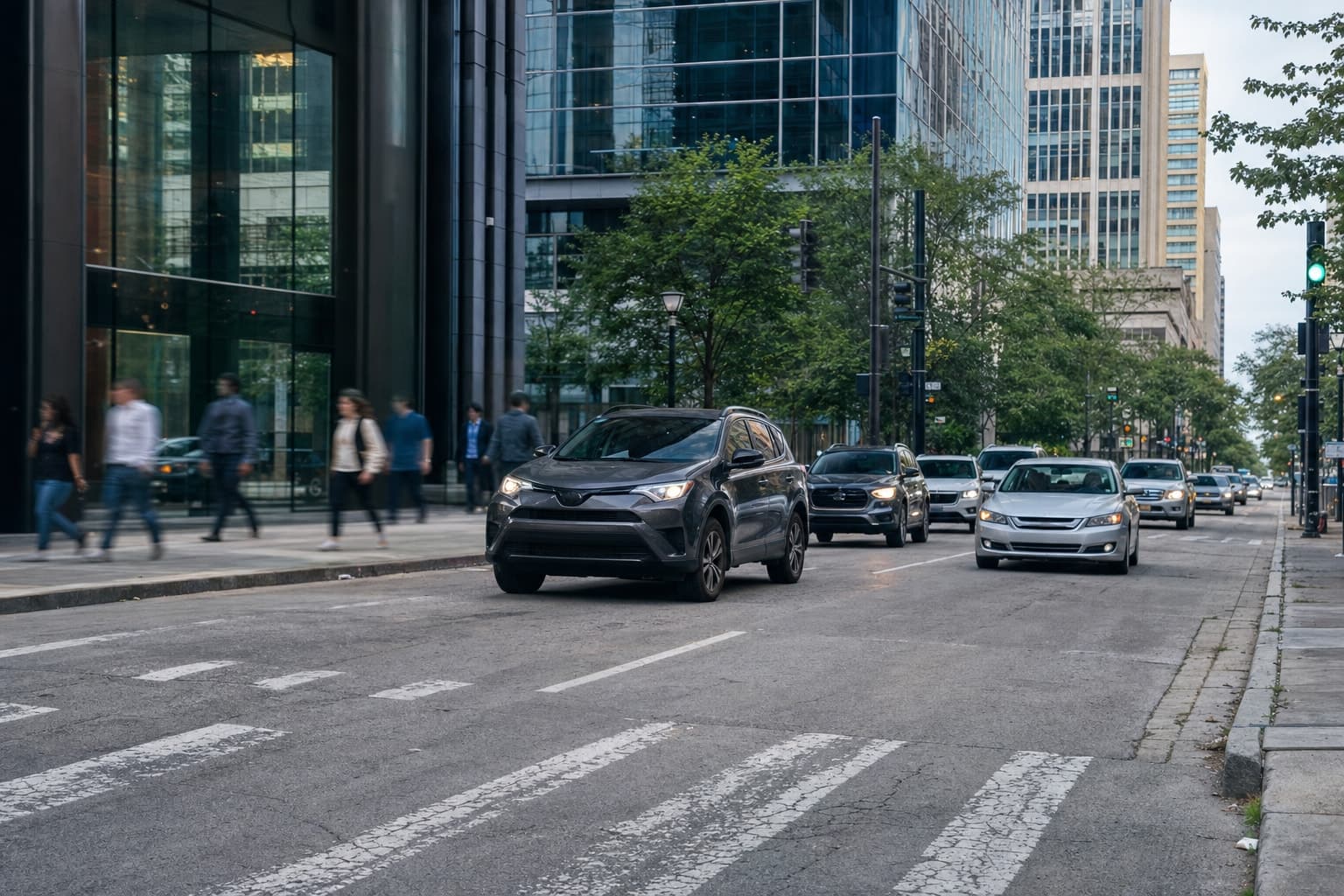
Commute pattern is the sharpest difference here: car insurance in Montgomery often needs to fit a city where daily driving mixes state offices, medical campuses, retail corridors, and neighborhood errands rather than one simple highway-only routine. That matters because your insurer prices for how you actually use the vehicle, where you park it, and how often you drive during peak local traffic around downtown, Eastern Boulevard, Atlanta Highway, and the I-85 approach. If your week includes office parking decks, hospital visits, school drop-offs, and weekend shopping runs, a bare minimum policy can leave gaps you feel quickly after a crash, theft claim, or weather loss. The buying decision here is less about broad Alabama averages and more about matching coverage to your real use pattern. If you drive an older paid-off car, you may want to review whether physical damage coverage still makes financial sense. If you finance or lease, confirm lender-required coverages, deductible levels, and rental reimbursement before you compare quotes. Bring your garaging address, annual mileage, driver list, and vehicle use details so the quote reflects how you actually drive here.
Alabama has a high climate risk rating. Top hazards: Tornado (Very High), Hurricane (High), Flooding (High), Severe Storm (High). The state's expected annual loss from natural hazards is $1.4B, which influences car insurance premiums and may affect coverage availability in high-risk areas.
What Car Insurance Covers
Car insurance in Alabama typically centers on liability, collision, comprehensive, uninsured motorist, medical payments, and rental reimbursement. Liability is the foundation because it addresses injuries and losses you may cause to others in an auto accident. Collision coverage can help with repairs to your own vehicle after a crash. Comprehensive coverage is especially relevant because the state's severe storm profile includes tornadoes, hurricanes, flooding, and hail events that can damage a parked or driven vehicle outside a collision.
Uninsured motorist coverage matters here because many Alabama drivers were uninsured in 2023, which raises the chance that another driver may not have enough protection after a crash. Medical payments coverage may assist with medical bills for you and your passengers, and rental reimbursement can keep you mobile while your car is being repaired. Because Alabama auto insurance is regulated by the Alabama Department of Insurance, policy forms and endorsements can vary by insurer. A higher deductible lowers your monthly bill but increases what you owe out of pocket when you file a claim, so the tradeoff matters more than the number itself. Higher deductibles usually reduce the premium while increasing your share of a claim. Coverage limits also matter because a minimum-compliance policy is not the same as a policy designed for a newer vehicle, a long commute, or a household with multiple drivers. For drivers in urban centers and coastal counties, storm exposure and parking conditions can make comprehensive coverage more relevant than in a lower-risk area of the state.
Coverage Included

Liability
Can help pay for injuries and property damage you cause to others in an accident, coverage most states require drivers to carry.

Collision
Can help pay to repair or replace your car after a crash with another vehicle or object, regardless of fault.

Comprehensive
Typically covers damage to your car from events other than collisions, such as theft, hail, fire, flooding, or hitting an animal.

Uninsured Motorist
May pay for your injuries and, in some states, car damage when an at-fault driver has no insurance or too little.

Medical Payments
Can help cover medical bills for you and your passengers after an accident, no matter who was at fault.
Rental Reimbursement
May pay for a rental car while your vehicle is in the shop for repairs after a covered claim.
Car Insurance Cost in Montgomery
Average Cost in Alabama
$75 - $220
per month
In Alabama, car insurance premiums typically run $75 - $220 per month, which tends to run 13% below the national range of $110 - $230 per month.
- Driving record and age
- Vehicle make, model, and year
- Location and commute distance
- Credit-based insurance score
- Coverage limits and deductibles
Contact CPK Insurance for a personalized quote.
Prices shown are general estimates, not guaranteed rates or quotes. Your actual premium will depend on the insurer, coverage selected, personal details, location, claims history, and other underwriting factors. Learn about our pricing methodology.
Car insurance cost in Alabama depends on coverage limits, deductibles, claims history, location, and policy endorsements. A driver in a metro area may see a different price than someone in a smaller county because location is a pricing factor, and storm exposure can also influence comprehensive coverage. Alabama's high crash count and claim severity in 2023 mean that carrying low limits can leave you paying out of pocket after a serious accident, so the coverage choices you make have a direct effect on both your premium and your financial exposure.
Alabama's market also has a broad field of competing insurers, which creates more room to compare quotes across carriers. That competition can affect the quote, but the final price still varies by driver profile, vehicle make and model, annual mileage, and claims history. The average range is about $75 to $220 per month, but your quote depends on how you structure your coverage. Drivers with recent accidents or violations may see higher premiums, while a clean record and a higher deductible can reduce monthly cost. The state's elevated tornado and hurricane risk can make comprehensive coverage a more important part of the pricing conversation, especially for vehicles parked outdoors or used in storm-prone areas.
Industries & Insurance Needs in Montgomery
County business mix shapes how many drivers share the road with you during the week. Montgomery County has 5,575 business establishments, and the largest establishment shares are retail trade at 15.6%, health care and social assistance at 12.1%, and other services at 11.7%, so local traffic often includes shoppers, shift workers, patients, delivery activity, and short errand trips rather than only long commuter miles. For you as a buyer, that means your quote should match whether your own driving is mostly work commute, family transport, or frequent stop-and-go use around commercial corridors. It also makes uninsured motorist limits, rental reimbursement, and deductible selection worth reviewing carefully, especially if you rely on your vehicle most days. Ask for a quote built around your actual weekly pattern, not a generic low-mileage assumption that could misstate the risk.
What Affects Car Insurance Rates in Montgomery
Household budget pressure changes the buying conversation here. Montgomery's median household income is $55,687, so deductible choice, rental reimbursement, and the decision to keep or drop collision on an older vehicle deserve a harder look before renewal. A lower premium can help cash flow, but a deductible that is difficult to absorb after a loss can delay repairs or force you into a rental decision you did not plan for. That is why it helps to quote more than one deductible and compare the out-of-pocket tradeoff, not just the monthly bill. If your car is essential for work, school, or caregiving, ask for side-by-side options that show how comprehensive, collision, roadside assistance, and rental coverage change the total value of the policy. The goal is a payment you can carry and a claim scenario you can realistically handle.
What Makes Montgomery Different
Commute complexity is what changes the calculus here. In many Alabama markets, the main question is simply how much coverage you want on the vehicle. Here, the better question is how your car moves through the week: downtown work parking, school pickups, medical appointments, retail stops, church, and cross-town errands that stack multiple short trips into one day. That pattern can affect mileage assumptions, garaging exposure, and whether add-ons like rental reimbursement or roadside assistance are worth the premium. It also changes how you should think about deductibles. A higher deductible may lower the bill, but it can be harder to absorb if the car is central to your household routine and you need repairs started quickly. Before you buy, map out who drives, where the car sleeps, whether the vehicle is financed, and how disruptive even a few days without it would be. That is usually the clearest way to choose limits and optional coverages here.
Our Recommendation for Montgomery
Start with usage accuracy. Tell the agent whether the car is used for commuting, mixed family driving, student use, or mostly local errands, because small classification details can change the quote and the fit of the policy. Next, review physical damage coverage against the car's value, especially if the vehicle is older and paid off. If replacing the car out of pocket would be difficult, comprehensive and collision may still be worth keeping. Then test deductible options side by side so you can see the premium difference against the amount you would owe after a claim. If your schedule depends on the vehicle, ask about rental reimbursement and roadside assistance instead of assuming they are included. Finally, compare liability limits above the state minimum if you have savings, wages, or a household budget you want to protect after a serious crash. A good quote review should show what changes, what it costs, and what risk you keep.
Get Car Insurance in Montgomery
Enter your ZIP code to compare car insurance rates from carriers in Montgomery, AL.
Car insurance starting at $59/mo
FAQ
Frequently Asked Questions
Montgomery drivers should focus on actual vehicle use, garaging address, annual mileage, driver history, and whether the car is financed. Here, a quote is more useful when it reflects downtown commuting, cross-town errands, and who regularly uses the vehicle.
Montgomery buyers should compare the car's value, loan status, deductible, and how easily they could replace it after a loss. If the vehicle is paid off, dropping one or both coverages may make sense, but only after reviewing the financial tradeoff.
Montgomery County has 5,575 business establishments, with retail trade, health care and social assistance, and other services leading by establishment share, so many drivers face frequent short trips and commercial-corridor traffic. That makes usage accuracy and rental reimbursement worth reviewing.
Montgomery's median household income is $55,687, so deductible selection should match what your household could realistically pay after a crash or weather loss. A lower premium helps only if the out-of-pocket amount is still manageable when a claim happens.
Liability coverage helps if you cause injuries or losses to others in an auto accident. Collision coverage can help repair your own vehicle after a crash, and comprehensive coverage may help with non-collision losses such as storm damage. Medical payments may assist with medical bills for you and your passengers, and rental reimbursement can keep you moving while your car is repaired.
The Alabama Department of Insurance regulates the market, and the coverage you buy should be reviewed against your driving needs and any applicable requirements. The minimum personal auto liability requirement is $25,000/$50,000/$25,000, while drivers should compare liability limits, deductibles, and optional coverages before purchasing.
The average range is about $75 to $220 per month, but your quote can vary based on coverage limits, deductibles, claims history, location, vehicle, and endorsements. Alabama's baseline rates run about 12% below the national midpoint, but storm exposure and crash history can still affect your price.
Liability is the starting point for most drivers, but collision and comprehensive depend on your vehicle, commute, and risk tolerance. In Alabama, comprehensive can be especially useful because tornadoes, hurricanes, flooding, and severe storms are part of the local risk picture.
Sources
- 1.U.S. Census Bureau, ACS 5-Year Estimates, table B19013(Montgomery's median household income is $55,687, so deductible choice, rental reimbursement, and the decision to keep or drop collision on an older vehicle deserve a harder look before renewal.)
- 2.U.S. Census Bureau, County Business Patterns, Montgomery County(Montgomery County has 5,575 business establishments, and the largest establishment shares are retail trade at 15.6%, health care and social assistance at 12.1%, and other services at 11.7%, so local traffic often includes shoppers, shift workers, patients, delivery activity, and short errand trips rather than only long commuter miles.)
Updated July 5, 2026