Updated July 16, 2026

Homeowners Insurance in Montgomery
A tighter local market changes how you shop for coverage. You may see fewer carriers actively writing certain homes, and the difference often comes down to details underwriters care about: roof age, prior updates, claim history, and whether the dwelling fits the carrier's current appetite. For homeowners insurance in Montgomery, that means your quote process works better when you bring a recent roof date, any electrical or plumbing upgrade records, and clear information on detached structures before you start comparing. The age and condition of housing stock in your area also shape what underwriters expect, since older homes often carry higher repair assumptions. Many owners here are insuring modestly priced homes where a low market value can distract from the real question, which is what it would take to repair or rebuild after a covered loss, so you should review dwelling limits instead of assuming purchase price tells the whole story. When premiums strain the household budget, deductible and endorsement choices deserve a practical review before renewal, not a last-minute decision after a premium notice arrives.
Alabama has a high climate risk rating. Top hazards: Tornado (Very High), Hurricane (High), Flooding (High), Severe Storm (High). The state's expected annual loss from natural hazards is $1.4B, which influences homeowners insurance premiums and may affect coverage availability in high-risk areas.
What Homeowners Insurance Covers
For an Alabama home, the useful review is not a generic list of policy parts. It is a line-by-line check of how the policy would respond to the losses your address is more likely to face and where you may need separate solutions. In practice, that means reading the dwelling settlement terms, the wind or hail deductible language, the water damage wording, and any exclusions tied to flood, surface water, or earth movement before you buy.
If your home is in a part of the state that sees strong convective storms, ask whether roof losses settle at replacement cost or whether age, condition, or endorsement choices change that result. If your property has older plumbing, an older electrical system, or prior water damage, review whether the quote assumes updates that have not actually been completed. A policy can look comparable on the declarations page and still differ in how it handles hidden water damage, ordinance or law costs, screened structures, detached buildings, or theft limits for certain categories of property.
You also want to match the policy to how you use the home. A primary residence, a seasonal property, and a house with frequent short-term occupancy changes can trigger different underwriting questions. If you run a business from home, keep high-value jewelry, firearms, musical instruments, or collections, or have a pool or trampoline, ask for those exposures to be reviewed directly instead of assuming the base form handles them the way you expect.
If you need to verify a company's license, review policy notices, or file a complaint, the Alabama Department of Insurance can help. Visit aldoi.gov or call 334-269-3550.
Coverage Included
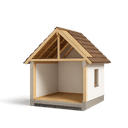
Dwelling
Repairs or rebuilds your home itself, the walls, roof, floors, built-in appliances, and attached structures like a garage, after a covered loss. Set this limit to the full cost of rebuilding, not market value.
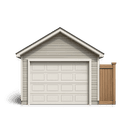
Other Structures
Detached structures on your property, such as a fence, shed, detached garage, or gazebo. Usually set at about 10 percent of your dwelling limit [2].

Personal Property
Your belongings, furniture, clothing, electronics, and appliances, generally written at 50 to 70 percent of your dwelling limit [2]. High-value items like jewelry and art carry special limits.

Additional Living Expenses
Also called loss of use. Pays your added living costs, hotel stays, meals, and a temporary rental, while a covered loss makes your home uninhabitable. Usually set at about 20 percent of your dwelling limit.

Liability
Covers you if someone is injured on your property, or you damage someone else's property, and you are found responsible. The standard $100,000 limit [2] is often raised to $300,000 or $500,000.

Medical Payments
Pays small medical bills, commonly $1,000 to $5,000, if a guest is hurt at your home regardless of fault, without a formal liability claim.
Homeowners Insurance Cost in Montgomery
Average Cost in Alabama
$110 - $330
per month
In Alabama, homeowners insurance premiums typically run $110 - $330 per month, which tends to run 22% above the national range of $110 - $250 per month.
- Home replacement cost, age, and construction type
- Roof age, material, and condition
- ZIP code and local weather risk (wind, hail, wildfire, hurricane)
- Coverage limits and endorsements
- All-peril and percentage wind/hail deductibles
- Claims history and insurance score where allowed
Typical range for many standard homeowners profiles; lower-risk homes fall below it and coastal, wildfire, or older-roof homes can run well above. Final pricing depends on property details, location, underwriting, and selected coverage.
Prices shown are general estimates, not guaranteed rates or quotes. Your actual premium will depend on the insurer, coverage selected, personal details, location, claims history, and other underwriting factors. Learn about our pricing methodology.
Your premium moves with the house itself. Based on common quoting patterns for a typical Alabama home valued around $250,000 with moderate risk features, premiums may start from $110 to $330 per month. Your actual price depends on the property's location, age, roof condition, construction details, prior claims, deductible, and the endorsements you add.
Start with the address and the rebuild assumptions. Two homes with similar sale prices can quote very differently if one has an older roof, custom finishes, prior water losses, or sits in an area where wind exposure changes underwriting. Deductible structure also matters, because a higher deductible can reduce premium, but only if the amount still fits your emergency budget after a storm or major water loss. If you are comparing quotes with different deductibles, different roof settlement terms, or different water backup options, you are not really comparing price.
Ask what updates can help underwriting. Carriers often price more favorably when the roof, wiring, plumbing, or heating and cooling systems have been updated, because those details affect expected loss frequency and repair severity. Protective devices can matter too, but only if they are installed and documented the way the carrier requires.
The practical way to shop is to request the same dwelling limit, liability limit, deductible, and optional coverages across each quote, then review why one price is higher. Sometimes the difference is simply broader terms. Sometimes it is a surcharge tied to roof age, prior claims, or a location-specific hazard that needs a different deductible strategy.
What Affects Homeowners Insurance Rates in Montgomery
Local affordability changes the buying conversation more than it changes the hazard itself. Many households feel premium increases immediately and may be tempted to lower limits or strip out useful endorsements just to keep the bill manageable. That is where a careful review matters. A lower premium can come from a higher deductible, but you need to be comfortable funding that amount after a covered loss. The same goes for dwelling limits. Some owners anchor on resale value and miss the separate question of repair and rebuild cost, especially after updates, additions, or detached structures are added over time. Before you request a quote, list major renovations, confirm your roof age, and decide what deductible you could actually absorb without borrowing. That gives you a cleaner comparison than shopping on price alone.
What Makes Montgomery Different
Keeping premiums manageable matters in any market, but it should not crowd out the coverage conversation. In a market where the Montgomery median home value is $148,500, many buyers naturally focus on keeping premiums aligned with a modest property value. Resale price and rebuild cost answer different questions, and confusing the two can leave a gap between what you carry and what a claim actually requires. Deductible decisions hit the household budget directly, since the out-of-pocket amount determines whether you can start repairs promptly or have to wait. The right policy review here is less about chasing every optional add-on and more about pressure-testing the core numbers: your dwelling limit, your deductible, ordinance-related concerns if the home is older, and whether sheds, fences, or other structures are scheduled appropriately. If you are comparing quotes, ask each carrier to explain how they estimated Coverage A and what assumptions they used, then compare those assumptions before you compare price.
Our Recommendation for Montgomery
Start with your house file, not the quote form. Pull together your roof year, major system ages, renovation receipts, and photos of any detached structures, since the carrier is evaluating the actual property, not a generic profile. Then ask for at least two deductible options and review them against your emergency savings, because a lower premium only helps if the deductible is still workable after a claim. If your home was bought years ago at a lower price point, ask the agent to walk you through the dwelling estimate line by line rather than relying on the old declarations page. That is especially useful here, because resale value can make limits look adequate when they are not. If you want a cleaner comparison, request the same liability limit and deductible structure across quotes first, then adjust endorsements after you see which policy form fits your property and budget.
Get Homeowners Insurance in Montgomery
Enter your ZIP code to compare homeowners insurance rates from carriers in Montgomery, AL.
Home insurance starting at $50/mo
FAQ
Frequently Asked Questions
Montgomery homeowners get better quote accuracy when they bring roof age, update history, prior claims, and detached structure details up front. In a tighter local market, those underwriting details often determine which carriers will quote and how they price the home.
Montgomery's median home value is $148,500, but that does not automatically set the right dwelling limit. You should compare the insurer's replacement cost estimate against your home's features and updates, then decide whether the limit still looks realistic.
Montgomery homeowners often feel deductible decisions directly in the household budget after a covered loss. A higher deductible may reduce premium, but only if you could comfortably pay that amount when repairs need to start.
Montgomery County has 5,575 business establishments, so a meaningful share of residents may be running ventures from home without realizing a standard policy may not cover business-related claims. If you sell products, see clients, or store inventory at your house, mention that when you request a quote so the participating provider can determine whether a separate endorsement or policy is appropriate.
Homeowners policies can handle wind-related losses differently depending on the form and deductible structure. Review the declarations page and endorsements closely, especially for roof claims, so you know whether a separate wind or hail deductible applies.
Standard coverage may not respond to flood or surface water the way many owners expect, so your address, elevation, and prior water history should drive that decision.
Buyers should confirm the property address, named insured, effective date, deductible, and mortgagee clause before closing. Lenders usually want proof that coverage is active and tied to the correct loan, so small clerical errors can create avoidable delays.
Renewals can rise because the carrier changes how it prices roof age, location risk, rebuilding assumptions, or deductible options. Compare the renewal against a fresh quote using the same limits and endorsements before deciding whether the increase is justified.
Sources
- 1.U.S. Census Bureau, ACS 5-Year Estimates, table B25077(Montgomery median home value)
- 2.U.S. Census Bureau, County Business Patterns, Montgomery County(Business establishments in Montgomery County)
Updated July 16, 2026